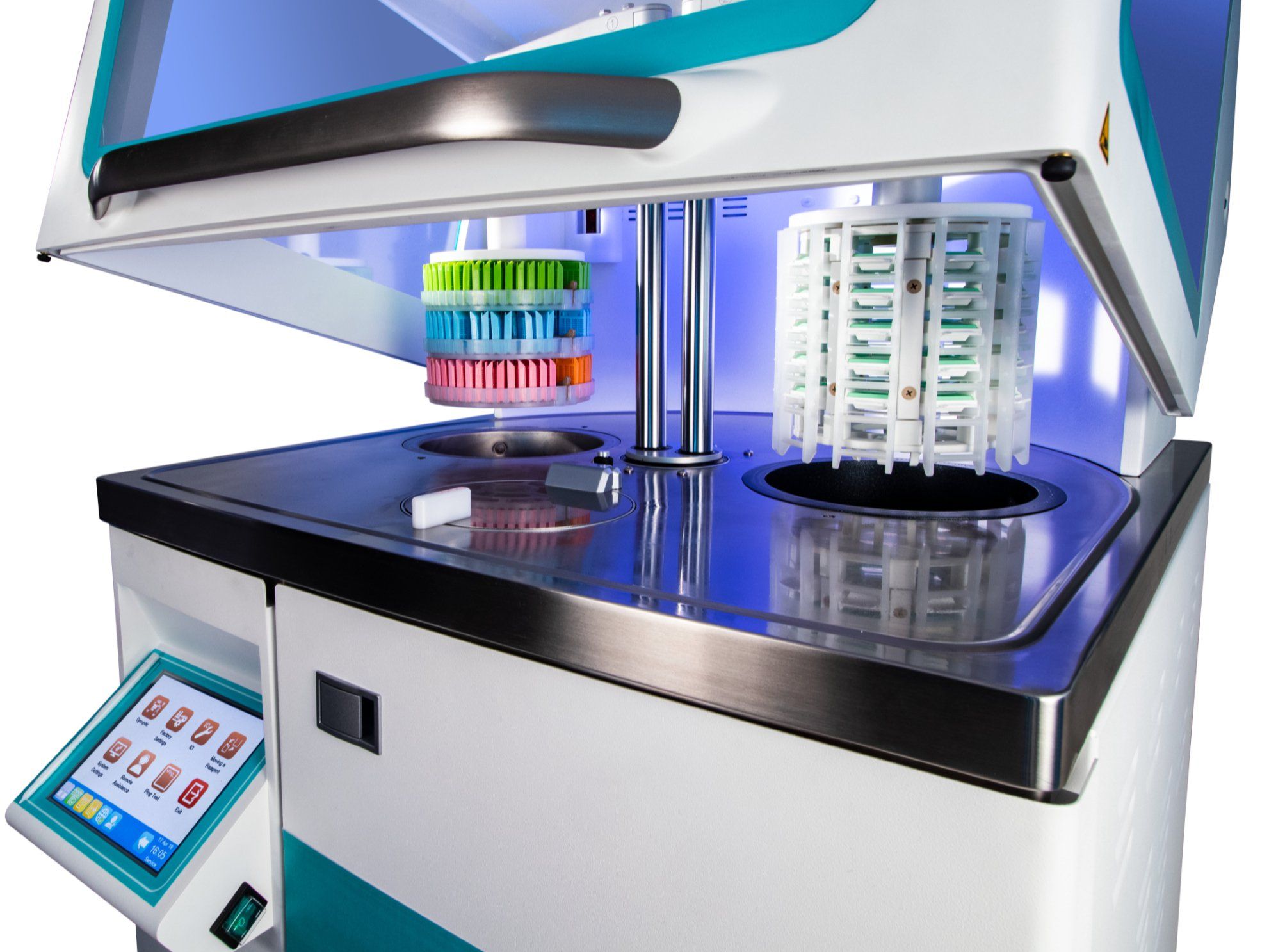
Modern clinical environments rely heavily on prompt diagnostic reporting to drive patient care. Strategic operational oversight within an anatomic pathology laboratory requires complete visibility across all processing phases. Operational managers track complex handling tasks across collection, tissue processing, and sectioning stages.
Comprehensive workflow monitoring helps teams identify operational bottlenecks, strengthen traceability, and optimize resource planning. Documenting every pre-analytical step provides actionable data that supports well-informed administrative and operational...
Automated Formalin Dispensing in Modern Operating Rooms
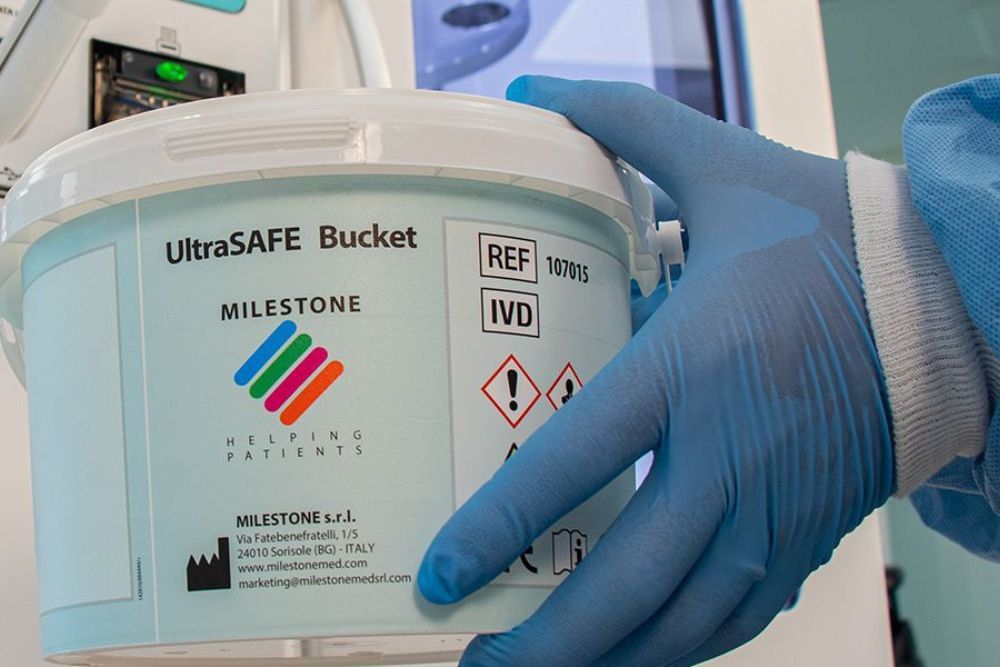
Operating room teams handle hazardous chemical fixatives during surgical specimen collection routines. Traditional manual handling exposes nurses to harmful fumes, hazardous spills, and inconsistent fixative volumes. Adopting automated formalin dispensing transforms surgical specimen management into a safer, more predictable process.
Surgical teams require reliable methods to protect staff while preserving critical diagnostic tissue samples. Automated systems streamline liquid handling and standardize documentation within operating rooms. Modern facilities improve occupational safety and...
Maintenance Best Practices to Extend Automatic Tissue Processor Lifespan
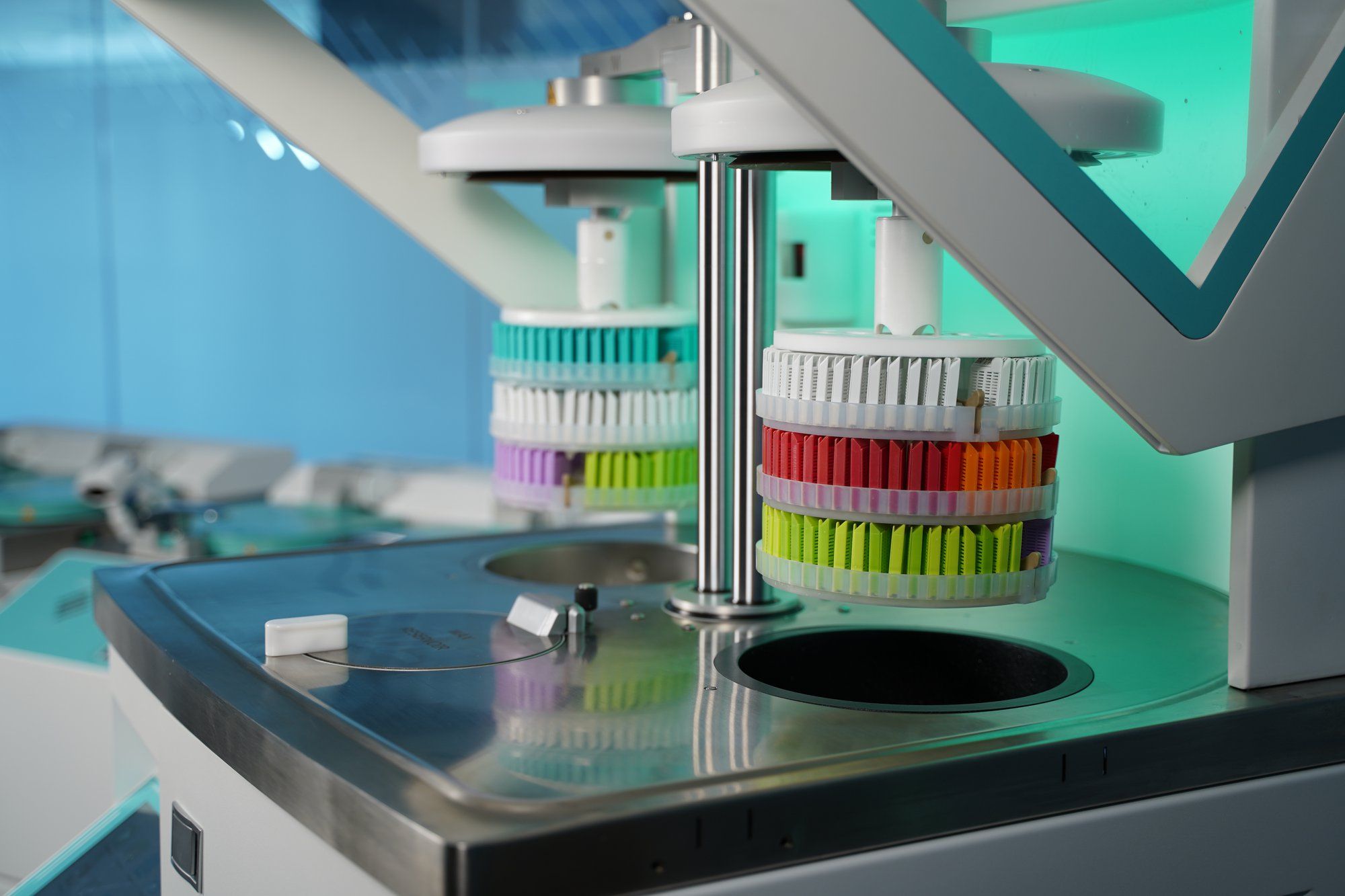
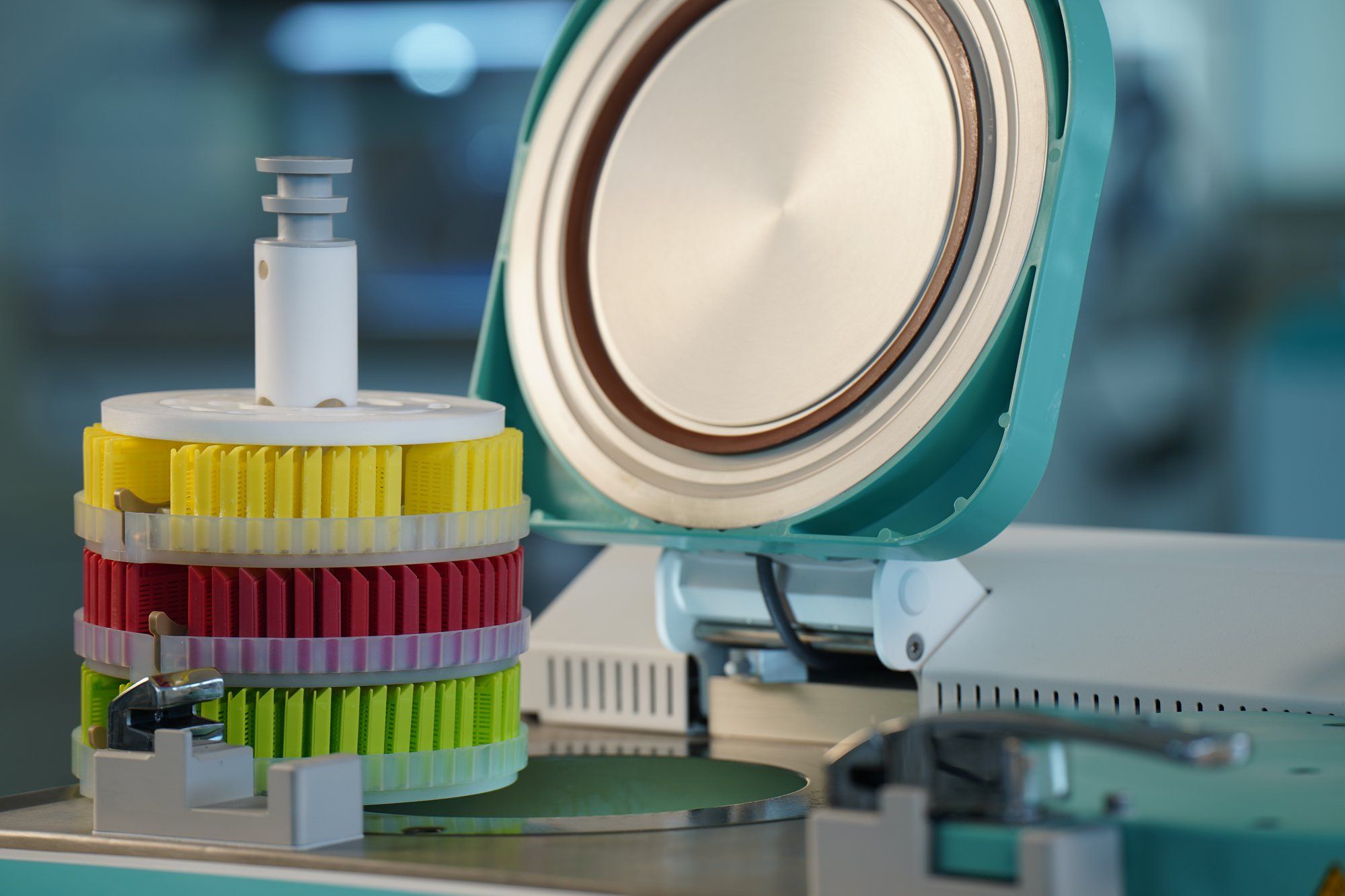
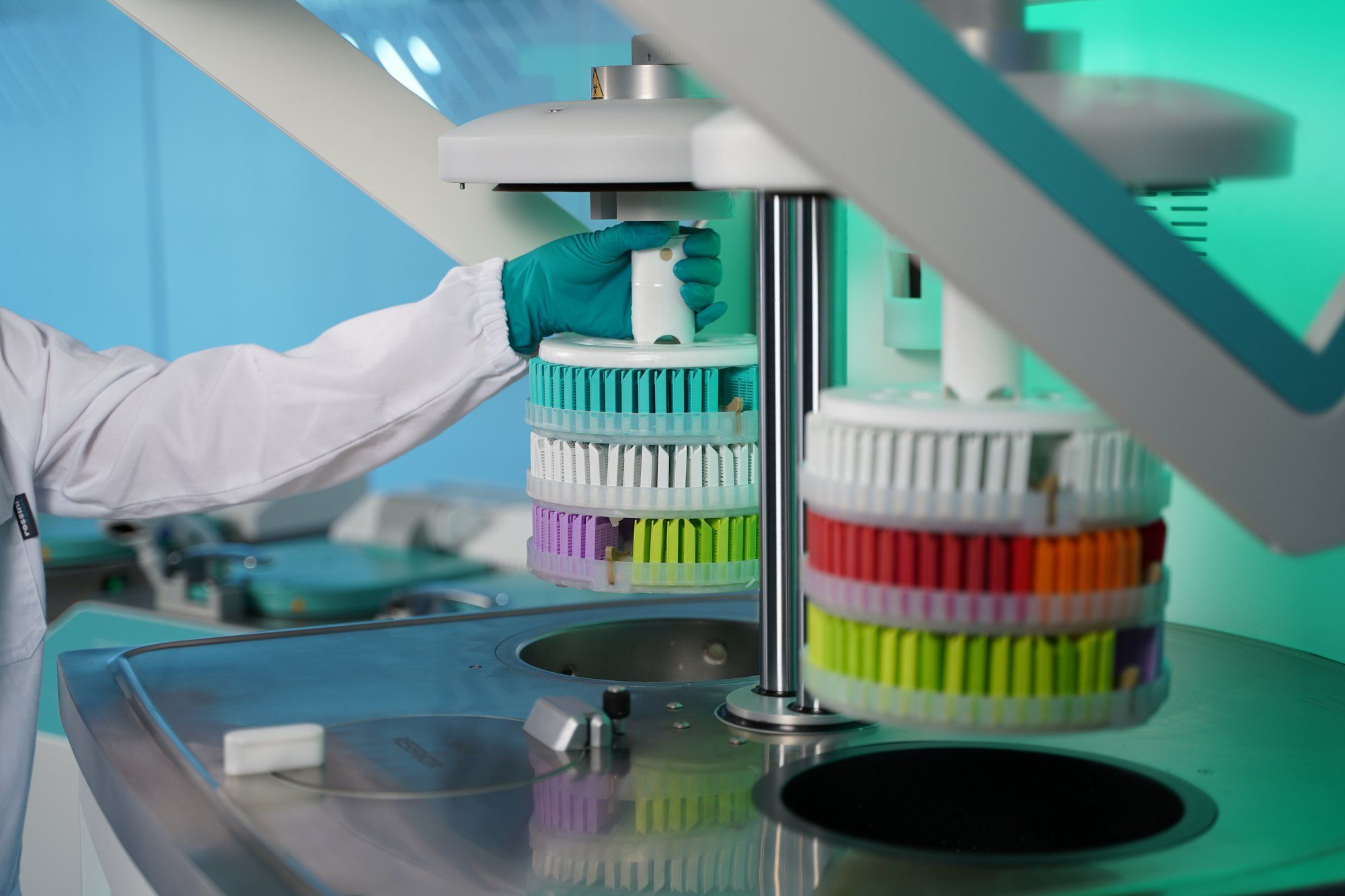
Routine clinical operations depend on reliable instrument performance for delivering timely diagnostic reports. Implementing structured automatic tissue processor maintenance ensures delicate tissue samples undergo consistent reagent exchange. Proper equipment upkeep protects clinical sample integrity, preserves lab continuity, and minimizes hardware damage.
Standardized care plans preserve equipment performance, reduce avoidable downtime, and support reliable tissue processing. Protocol oversight protects tissue specimens from drying out, preventing diagnostic delays. Regular equipment...
Building a Safer Histology Laboratory Environment
Clinical pathology departments face constant pressure to protect staff while delivering accurate diagnostic results. Strong histology laboratory safety practices help reduce occupational risks throughout daily tissue processing. Every specimen also requires careful handling to preserve cellular structures for accurate diagnosis.
Clear operating procedures promote consistency and help laboratories meet regulatory requirements. Effective safety measures improve workflow efficiency while supporting reliable specimen processing. A strong commitment to histology laboratory safety strengthens...
Sustainable Practices in Modern Tissue Processing
Clinical laboratories face increasing pressure to optimize their daily operations while reducing their environmental footprints. Adopting sustainable tissue processing practices allows pathology facilities to decrease chemical consumption and lower utility expenses significantly. These ecological adjustments consistently protect the intricate cellular structures required for accurate diagnostic evaluations.
Implementing green initiatives ensures long-term operational viability and fosters healthier working conditions for laboratory personnel. Resource-efficient methodologies minimize...
Reducing Chemical Exposure in Anatomic Pathology Laboratories
Modern clinical facilities prioritize employee health alongside accurate diagnostic outcomes for patients. Maximizing safety in the anatomic pathology laboratory requires a comprehensive approach to controlling airborne chemical hazards. Every medical institution should minimize exposure to volatile compounds to create a safer workplace.
Chemical management affects employee well-being while helping preserve the integrity of diagnostic tissue samples. Hazardous fumes can interfere with specimen quality, making controlled environments essential throughout tissue preparation. Laboratory...
Reducing Exposure Risks Through Automated Specimen Management
The riskiest moment for any tissue sample happens right after it leaves the patient. Someone must pour formalin fast, and automated specimen management makes that step far safer. That first handoff shapes both staff safety and the accuracy of every result.
Most formalin exposure does not come from one dramatic spill on the floor. It builds quietly through quick pours and top-offs that nobody stops to question. So the smartest fix belongs exactly where those small risky moments tend to cluster.
Where Formalin Exposure Really Starts
Fresh surgical specimens go into formalin at the point of...