Clinical laboratories face increasing pressure to optimize their daily operations while reducing their environmental footprints. Adopting sustainable tissue processing practices allows pathology facilities to decrease chemical consumption and lower utility expenses significantly. These ecological adjustments consistently protect the intricate cellular structures required for accurate diagnostic evaluations.
Implementing green initiatives ensures long-term operational viability and fosters healthier working conditions for laboratory personnel. Resource-efficient methodologies minimize hazardous waste production while maintaining excellent turnaround times for critical patient biopsy results. Consequently, medical facilities achieve outstanding clinical outcomes by prioritizing environmental responsibility within their pathology departments.
Opportunities for Sustainable Tissue Processing in Pathology
Eco-friendly protocols help pathology laboratories reduce chemical consumption and limit hazardous waste. Many facilities optimize reagent use by replacing traditional clearing agents with safer alternatives and improving chemical management practices. These efforts encourage more responsible resource use without disrupting laboratory operations.
Transitioning to greener workflows can include several practical improvements:
- Automated reagent management systems prevent the unnecessary disposal of usable processing solutions.
- Purity tracking sensors help labs know when reagent exchange is crucial.
- Standardized chemical volume controls reduce purchasing and disposal costs.
- Updated reagent rotation protocols lower the risk of accidental environmental contamination.
Implementing sustainable tissue processing also helps laboratories meet environmental regulations while supporting more responsible day-to-day operations.
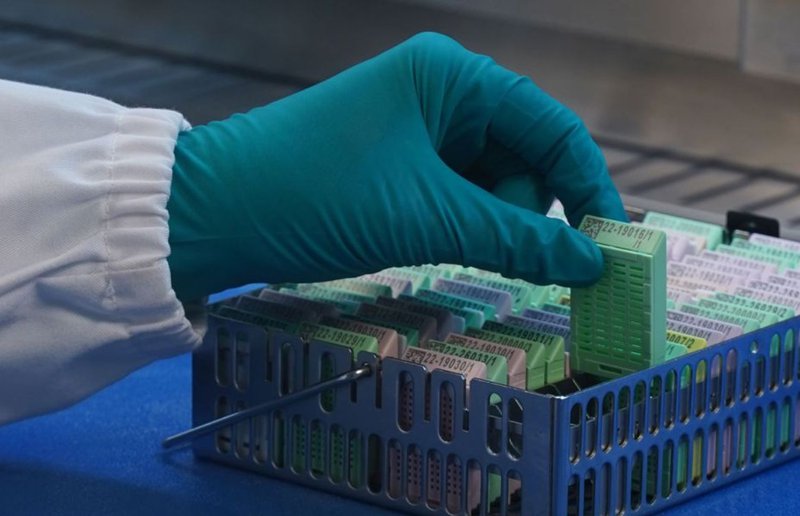
Energy Efficiency and Sustainable Tissue Processing
Histology laboratories rely on specialized equipment that consumes considerable energy to maintain consistent processing conditions. Modern energy-efficient systems reduce heat loss, improve performance, and help lower electricity consumption. Upgrading core equipment can reduce operating costs without affecting workflow.
Improving energy efficiency may involve several equipment and workflow enhancements:
- Smart sleep modes reduce power use during idle periods.
- Microwave-assisted heating shortens processing times while lowering energy demands.
- Temperature sensors maintain stable heating and prevent unnecessary energy use.
- LED lighting in macro-imaging stations decreases electricity consumption.
- High-efficiency exhaust systems improve airflow while reducing ventilation demands.
These improvements help laboratories reduce operating costs while maintaining reliable performance. Modernizing equipment also supports long-term goals for sustainable tissue processing.
Balancing Sustainability with Diagnostics
Preserving specimen integrity remains the highest priority when implementing environmentally responsible practices. Before introducing new protocols, histology teams validate processing cycles to ensure tissue morphology and cellular detail remain suitable for diagnosis. Many modern approaches to sustainable tissue processing deliver results comparable to conventional methods.
Quality control remains essential throughout this transition. Laboratories routinely review slides to confirm consistent staining quality, tissue preservation, and diagnostic accuracy. This careful evaluation allows sustainability initiatives to complement established laboratory standards.
Following standardized fixation and processing protocols further protects delicate tissue structures throughout specimen preparation. Consistent handling reduces the need for repeat processing while supporting reliable diagnoses. Therefore, sustainable tissue processing strengthens efficiency without compromising patient care.
Innovative Equipment for Sustainable Tissue Processing
Advanced tissue processors use intelligent automation to reduce reagent consumption throughout daily operations. Precise reagent delivery systems minimize chemical waste while optimized cleaning cycles decrease solvent requirements between processing runs. These improvements help laboratories conserve resources without sacrificing performance.
Advanced vacuum technology improves reagent infiltration while reducing the need for excessive heat or prolonged processing cycles. Shorter processing times can also reduce overall energy consumption, allowing laboratories to maintain high productivity with fewer resources.
Integrated sensors continuously monitor processing conditions to prevent fluid waste and protect specimen quality. Software automatically adjusts cycle parameters based on tissue type and thickness to maintain consistent results. These technologies help laboratories improve efficiency while reducing reagent consumption and unnecessary waste.

Ergonomics and Staff Safety Developments
Protecting laboratory personnel is an essential part of long-term sustainability. Ergonomic workstations help reduce physical strain during repetitive grossing procedures, while enclosed fluid systems limit exposure to hazardous chemicals.
Modern ventilation systems capture formaldehyde and solvent vapors at the source, improving indoor air quality and reducing occupational exposure. A safer work environment supports employee well-being while minimizing disruptions to laboratory operations.
Protective containment systems also help laboratories meet occupational safety standards. By improving working conditions, facilities strengthen the operational reliability needed to support sustainable tissue processing.
Planning for Long-Term Laboratory Sustainability
Planning for sustainability begins with evaluating equipment based on long-term performance, resource efficiency, and overall value. Choosing durable, upgradeable systems helps laboratories reduce electronic waste while extending equipment life.
Preventive maintenance keeps equipment operating efficiently and reduces unexpected downtime. Well-maintained systems consume less energy, perform more consistently, and help protect long-term investments.
Regular sustainability reviews also encourage continuous improvement. By identifying opportunities to reduce waste and improve workflows, laboratory teams can strengthen their commitment to sustainable tissue processing while supporting future operational goals.
Achieving Diagnostic Excellence Responsibly
Environmentally responsible workflows allow pathology laboratories to improve efficiency, safety, and resource management without compromising diagnostic quality. Milestone Medical provides advanced tissue processing technology that helps laboratories optimize reagent use, improve specimen traceability, and promote sustainable tissue processing.
Learn how Milestone Medical helps laboratories enhance safety while reducing environmental impact. Discover how advanced processing systems improve workflow consistency and specimen management. Contact our specialists to explore solutions tailored to your laboratory's needs.
if(window.strchfSettings === undefined) window.strchfSettings = {};window.strchfSettings.stats = {url: “https://milestone-medical-technologies-inc.storychief.io/sustainable-practices-in-modern-tissue-processing?id=236582502&type=2”,title: “Sustainable Practices in Modern Tissue Processing”,siteId: “23596”,id: “”};(function(d, s, id) {var js, sjs = d.getElementsByTagName(s)[0];if (d.getElementById(id)) {window.strchf.update(); return;}js = d.createElement(s); js.id = id;js.src = “https://d37oebn0w9ir6a.cloudfront.net/scripts/v0/strchf.js”;js.async = true;sjs.parentNode.insertBefore(js, sjs);}(document, ‘script’, ‘storychief-jssdk’))