Clinical pathology departments face constant pressure to protect staff while delivering accurate diagnostic results. Strong histology laboratory safety practices help reduce occupational risks throughout daily tissue processing. Every specimen also requires careful handling to preserve cellular structures for accurate diagnosis.
Clear operating procedures promote consistency and help laboratories meet regulatory requirements. Effective safety measures improve workflow efficiency while supporting reliable specimen processing. A strong commitment to histology laboratory safety strengthens quality control at every stage of evaluation.
Identifying Common Safety Challenges within Pathology Labs
Histology technicians encounter chemical, physical, and biological hazards throughout routine laboratory work. Volatile chemicals such as xylene and formalin present respiratory risks without proper ventilation. Dedicated extraction systems help remove hazardous vapors and improve air quality within work areas.
Repetitive tissue microtomy and manual embedding can contribute to ergonomic strain over time. Poor workstation design and prolonged standing often increase the risk of musculoskeletal injuries. Handling sharp microtome blades also requires constant attention to prevent accidental cuts.
Weak specimen tracking processes increase the possibility of errors during batch processing. Mislabeled tissue cassettes can affect diagnostic accuracy and compromise patient records. Replacing manual transcription with digital tracking reduces documentation mistakes and helps prevent specimen misidentification.
Implementing Standardized Histology Laboratory Safety Guidelines
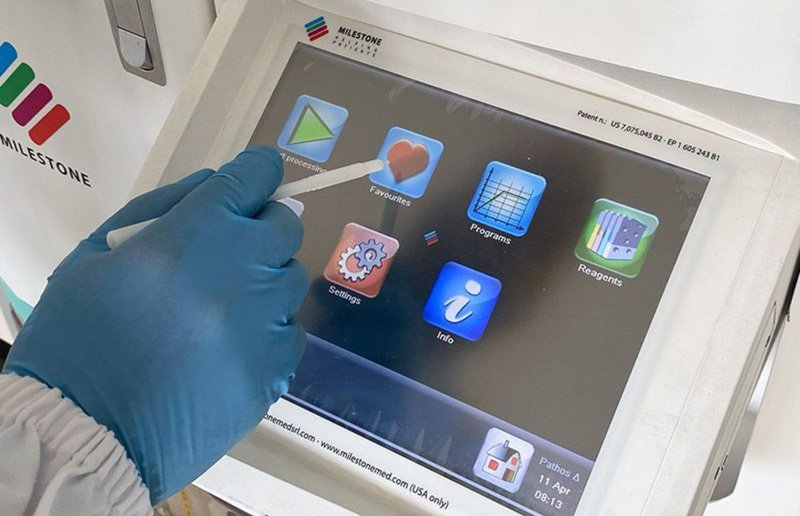
Well-defined operating procedures create the foundation for a safer laboratory environment. Standardized practices reduce uncertainty during chemical preparation and specimen handling. Wearing appropriate personal protective equipment protects staff while reinforcing histology laboratory safety.
Comprehensive training keeps laboratory personnel informed about current hazardous material handling practices. Experienced teams recognize potential risks earlier and respond more effectively to unexpected situations. Hands-on training also reinforces proper emergency procedures for chemical spills and other incidents.
Recording safety incidents provides valuable information for continuous improvement. Reviewing these records helps managers identify recurring concerns and strengthen existing protocols. Open communication encourages staff to report hazards before they become larger problems.
Actionable Requirements for Histology Laboratory Safety
Chemical management and thoughtful workspace design are essential for protecting laboratory personnel. Staff should understand the correct procedures for handling reagents and processing specimens safely. Reviewing established safety standards helps laboratories reduce everyday workplace risks.
The following list outlines key protocols necessary for maintaining a secure clinical workplace:
- Utilize color-coded chemical waste containers to prevent accidental mixing of incompatible solvents.
- Install emergency eyewash stations within easy reach of chemical preparation areas.
- Use adjustable-height chairs to reduce physical strain during prolonged tissue microtomy sessions.
- Apply barcode labels to specimen containers to maintain complete traceability during processing.
- Schedule semiannual ventilation hood inspections to verify proper airflow and vapor containment.
Following these practical measures helps reduce preventable incidents and workflow interruptions. Consistent application of these practices strengthens histology laboratory safety throughout the laboratory.
Engineering Controls Enhancing Histology Laboratory Safety
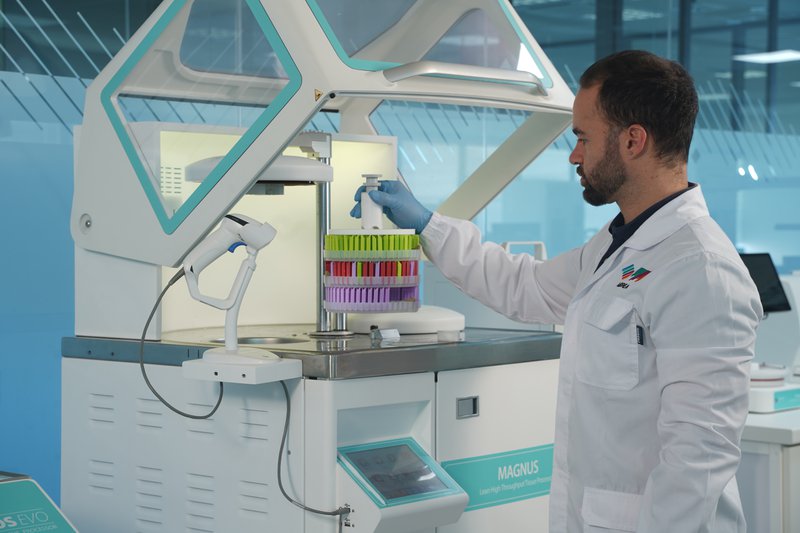
Many laboratories now rely on automation to reduce manual chemical handling. Enclosed reagent management systems help contain hazardous reagent vapors during processing. Automated tissue processing also minimizes manual intervention, reducing opportunities for human error and exposure.
Ergonomic grossing stations contain hazardous vapors at the work surface before they reach laboratory personnel. Bright, even lighting improves visibility during tissue dissection and reduces eye fatigue. Adjustable work surfaces also promote better posture throughout long shifts.
Digital specimen tracking systems connect patient information directly with tissue cassettes. This approach reduces transcription errors while maintaining complete chain-of-custody records. Automated tracking also supports documentation standards that align with histology laboratory safety goals.
Cultivating a Culture of Continuous Safety Innovation
Maintaining a safe laboratory requires ongoing attention beyond installing new equipment. Preventive maintenance helps ensure safety systems continue operating as intended. Cross-functional safety committees also provide practical insights for improving laboratory procedures.
A proactive approach to risk management helps laboratories meet accreditation requirements and reduce workplace hazards. Regular workflow reviews identify opportunities to improve both safety and efficiency. Sharing successful safety initiatives across departments encourages consistent practices throughout the organization.
Supporting employee well-being contributes to a more stable and effective laboratory workforce. Experienced technicians help maintain quality standards while mentoring newer team members. A knowledgeable, engaged staff plays an important role in sustaining safe laboratory operations.
Crucial Equipment Checklists for Pathology Staff
Modern equipment helps reduce many of the risks associated with tissue processing. Advanced containment technologies limit staff exposure to hazardous chemicals during routine procedures. Evaluating available engineering controls helps laboratories choose equipment suited to their operational needs.
The following items represent necessary engineering controls required for modern laboratory processing:
- Fully enclosed automated tissue processors isolate chemical fumes during processing.
- Downdraft grossing stations direct vapors away from technician breathing zones.
- Ventilated automated slide stainers help capture chemical fumes during staining.
- Secondary containment trays reduce spill risks during specimen transport and storage.
- Integrated laser cassette printers replace handwritten labels with accurate specimen identification.
Using purpose-built laboratory equipment reduces manual handling risks while protecting specimen quality. Investing in effective engineering controls reinforces long-term histology laboratory safety and operational reliability.
Advancing Pathology Workflows with Milestone Medical
Optimizing histology laboratory safety requires technology designed for today's clinical laboratories. Automated systems reduce chemical exposure while improving workflow consistency and diagnostic turnaround times. Purpose-built equipment also helps protect specimen integrity throughout the pre-analytical process.
Milestone Medical develops advanced pathology solutions that improve laboratory safety while supporting accurate specimen management. Discover safer, faster tissue processing with MAGNUS, our high-throughput tissue processing system. Learn how UltraSAFE can help protect operating room teams from formalin vapors during specimen collection.
if(window.strchfSettings === undefined) window.strchfSettings = {};window.strchfSettings.stats = {url: “https://milestone-medical-technologies-inc.storychief.io/building-a-safer-histology-laboratory-environment?id=766524963&type=2”,title: “Building a Safer Histology Laboratory Environment”,siteId: “23596”,id: “”};(function(d, s, id) {var js, sjs = d.getElementsByTagName(s)[0];if (d.getElementById(id)) {window.strchf.update(); return;}js = d.createElement(s); js.id = id;js.src = “https://d37oebn0w9ir6a.cloudfront.net/scripts/v0/strchf.js”;js.async = true;sjs.parentNode.insertBefore(js, sjs);}(document, ‘script’, ‘storychief-jssdk’))