Specimen handling requires careful consideration when designing modern surgical room workflows. Operating room teams frequently handle tissue samples that require immediate containment and chemical fixation. Prioritizing safe workflow optimization during room planning protects clinical staff and ensures specimen integrity.
Evaluating current procedures helps healthcare teams identify critical bottlenecks in specimen movement. Managing surgical tissue involves precise coordination between circulating nurses, surgical techs, and lab couriers. Strategic facility planning establishes clear connection paths from the operating table to pathology.
Mapping the Specimen Workflow Before Adding Technology
Evaluating specimen collection routes reveals hidden procedural risks and unnecessary staff movement. Clinical teams discover repeated manual steps when mapping the transfer of tissue containers. Studies indicate that specimen mislabeling occurs in approximately one out of every thousand surgical cases.
Standardizing container movement minimizes dangerous chemical exposure risks for operating room staff. Adhering to established occupational exposure limits prevents acute formaldehyde health hazards during specimen preparation. Analyzing transport pathways allows surgical facilities to support workflow optimization before installing equipment.
Documenting every step in the specimen pathway protects patient data and tissue quality. Manual entry errors happen during busy surgical procedures with high container volume. Identifying baseline process flaws ensures new technical investments deliver maximum clinical value.
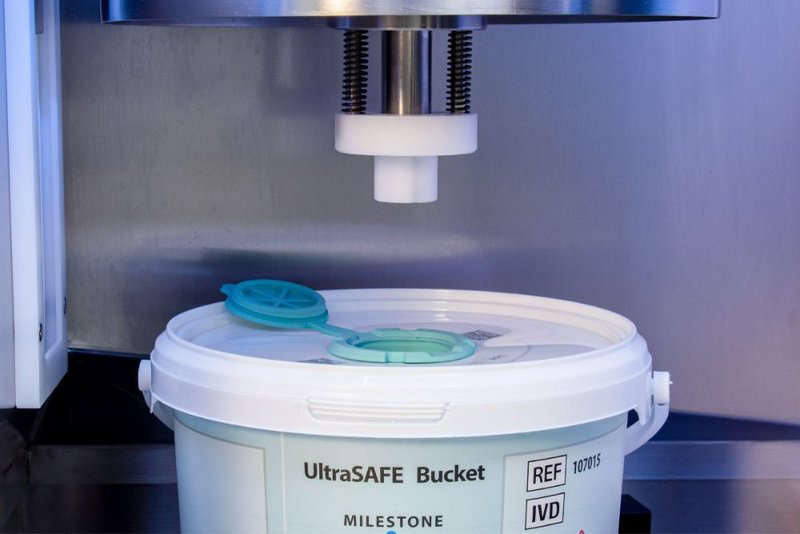
Designing Equipment Placement Around Staff Movement
Strategic placement of medical devices influences operational efficiency across surgical suites. Surgical teams require fast access to containment tools without obstructing primary clinical care areas. Proper room layouts support clear movement pathways while maintaining high standards of clinical safety.
Surgical teams utilize strategic equipment placement to streamline specimen management during operations:
- Strategic equipment positioning near surgical tables streamlines specimen containment procedures for surgical teams.
- Integrating local containment stations reduces transit steps and prevents chemical spills during routine transfers.
- Positioning digital tracking tools at the point of collection improves patient data accuracy.
- Compact equipment designs preserve critical floor space around vital operating room life-support systems.
- Ergonomic placement allows nursing staff to access workflow tools without leaving patient care zones.
Intelligent room design connects collection zones to transport pathways while preserving floor space. Thoughtful spatial planning supports continuous workflow optimization across every surgical procedure.
Using Automation to Support Workflow Optimization
Automated chemical dispensing units standardize fixation volumes without requiring manual chemical handling. Modern systems seal tissue containers under vacuum, containing hazardous fumes at the source. Implementing closed-loop technology keeps surgical staff safe from toxic chemical exposure during routine operations.
Integrating barcode scanning at the point of collection automates patient data entry. Scanned container labels link surgical specimens to electronic medical record systems. Automating identification steps reduces human error during fast-paced surgical operations.
Tracking technology maintains a complete digital chain of custody. Continuous tracking provides visibility across the journey without changing primary surgical techniques. Intelligent automation standardizes key steps while supporting effective workflow optimization.
Planning for Adoption and Long-Term Performance
Successful integration requires thorough staff training on new automated devices and software systems. Clinical teams learn updated protocols to achieve continuous workflow optimization during surgical procedures. Clear operational procedures help healthcare workers adopt safety technology with complete confidence.
Proper maintenance planning ensures equipment uptime across busy surgical department schedules. Scheduled service checks prevent unexpected system outages during critical surgical operations. Accessible equipment placement allows technical service teams to perform routine maintenance.
Periodic workflow evaluation helps healthcare facilities measure performance gains and workplace safety. Reviewing operational metrics identifies potential process adjustments as surgical volumes grow over time. Continuous monitoring guarantees that workflow optimization efforts deliver sustained clinical value.
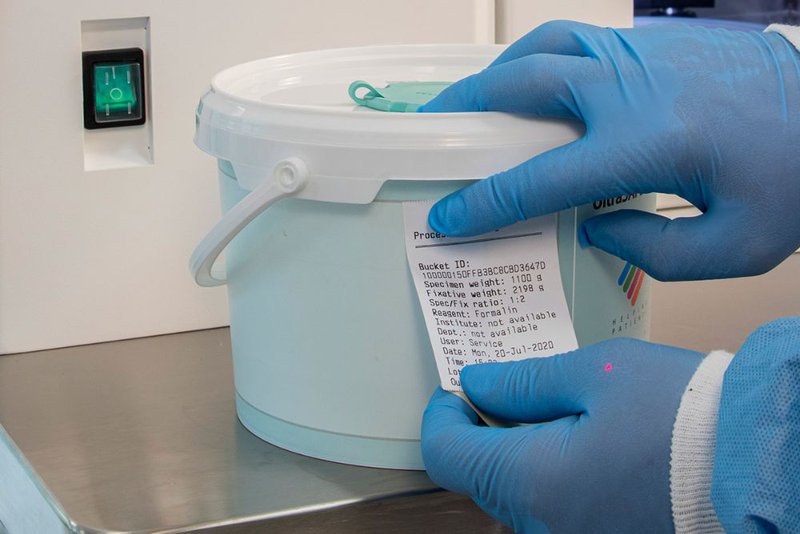
Selecting Smart Tools for Workflow Optimization
Modern surgical facilities require advanced technical solutions to streamline routine preanalytic tasks. Automated hardware protects clinical personnel while standardizing critical specimen preparation steps during active operations. Implementing specialized equipment enhances operational consistency from initial collection through final laboratory processing.
Surgical departments incorporate specialized technology features to standardize preanalytic specimen handling procedures:
- Advanced fixative and specimen management systems adjust chemical volumes based on individual specimen weight.
- Integrated digital sensors monitor chemical vapor levels to ensure safe operating conditions.
- Automated sealing mechanisms lock tissue containers securely to prevent leaks during transport.
- Real-time network connections broadcast specimen delivery status updates to pathology department receivers.
- Standardized software interfaces integrate with existing hospital information management system infrastructures.
Purpose-built technologies automate complex handling steps while protecting surgical personnel from chemical exposures. Modern automated devices deliver sustainable workflow optimization across connected hospital environments.
Enhancing Traceability for Workflow Optimization
Maintaining strict chain of custody protocols prevents misplacement during specimen transport to pathology laboratories. Digital tracking tools generate instant electronic records at the precise moment of tissue collection. Automated data collection ensures complete visibility while eliminating manual documentation steps for nursing staff.
Connecting operating room collection systems to laboratory software reduces preanalytical errors. Real-time updates notify pathology teams when critical tissue samples leave surgical suites. Unified digital networks support seamless communication across clinical departments during complex surgical procedures.
Continuous data logging preserves specimen information for ongoing diagnostic quality assurance audits. Centralized tracking records simplify compliance reporting while reinforcing institutional patient safety standards. Intelligent tracking tools support workflow optimization by bridging operational gaps between surgical suites and pathology departments.
Connected Solutions for Modern Surgical Workflow Optimization
Standardizing surgical specimen workflows bridges the gap between operating rooms and pathology laboratories. Implementing automated containment, precise barcode tracking, and safe chemical management protects healthcare workers. Sustainable workflow optimization prioritizes continuous chain-of-custody tracking from surgery to diagnostic review.
Milestone Medical delivers advanced technologies engineered specifically for operating room environments, including UltraSAFE and SealSAFE. These innovative systems automate chemical handling, provide secure container sealing, and ensure total specimen traceability. Learn how our specialized solutions drive workflow optimization throughout your entire facility; get in touch with us.
if(window.strchfSettings === undefined) window.strchfSettings = {};window.strchfSettings.stats = {url: “https://milestone-medical-technologies-inc.storychief.io/integrating-safety-automation-into-operating-room-design?id=152353701&type=2”,title: “Integrating Safety Automation Into Operating Room Design”,siteId: “23596”,id: “”};(function(d, s, id) {var js, sjs = d.getElementsByTagName(s)[0];if (d.getElementById(id)) {window.strchf.update(); return;}js = d.createElement(s); js.id = id;js.src = “https://d37oebn0w9ir6a.cloudfront.net/scripts/v0/strchf.js”;js.async = true;sjs.parentNode.insertBefore(js, sjs);}(document, ‘script’, ‘storychief-jssdk’))