Formaldehyde solutions remain essential across clinical facilities for fixing human tissues properly. Traditional safety protocols historically depended on personal protective equipment for staff members. Achieving true formalin exposure reduction requires tackling airborne chemical hazards at their source.
Routine specimen workflows expose surgical teams during ordinary tissue preparation and transfer steps. Relying solely on respiratory masks leaves dangerous operational gaps in clinical room safety. Modern technical solutions eliminate hazardous chemical fumes before vapors reach technicians' breathing zones.
Identifying Vulnerable Points in Formalin Exposure Reduction
Manual fixative handling tasks generate airborne hazards during daily laboratory operations. Uncapped specimen vessels release concentrated vapors while operators pour fixatives inside rooms. Sample transfers between open containers create additional opportunities for chemical splashing.
Meeting strict laboratory accreditation safety standards requires keeping formaldehyde exposure monitored and controlled within mandated limits. Exposure spikes during manual pouring frequently exceed recommended airborne chemical safety guidelines. Transporting filled specimen jars across hospital hallways introduces added spill and exposure risks.
Opening sealed collection pots during gross examination releases trapped chemical fumes instantly. Pathology personnel facing continuous chemical exposure report frequent respiratory and ocular discomfort. Addressing risky handling moments with formalin exposure reduction strategies requires dedicated engineering controls.

Primary Risk Points and Formalin Exposure Reduction Opportunities
Specific operational moments throughout specimen handling workflows create recurring opportunities for chemical hazards. Dispensing fixatives manually into specimen containers exposes technicians to harmful vapors. Splashes occur when personnel transfer delicate tissue specimens between stations.
Container opening at grossing benches unleashes concentrated vapors into immediate technician breathing spaces. Unsecured transportation buckets can leak liquids during movement between surgical suites. Laboratory staff members require improved structural safeguards during routine preanalytical processing activities.
Targeted formalin exposure reduction methods isolate hazardous chemicals before fumes spread outward. Eliminating direct contact protects clinical personnel while maintaining efficient specimen preparation timelines. Modern healthcare facilities prioritize staff health by integrating safer specimen handling devices.
Engineering Controls for Exposure Reduction
Direct engineering controls prevent hazardous chemical vapors from entering ambient rooms. Enclosed processing stations draw harmful fumes away from operators using active backdraft and downdraft ventilation systems. Custom sealed vessels contain chemical fumes automatically during collection and active transport.
Controlled liquid dispensing hardware eliminates the requirement for manual chemical pouring. Automated sensors deliver exact fixative volumes into closed chambers without operator exposure. Dedicated local exhaust ventilation traps lingering vapors at the specimen source.
Isolating liquid chemicals within enclosed equipment creates safer clinical laboratory workspaces. Closed processing loops protect staff members from chemical splashes during sample transfers. Achieving sustainable formalin exposure reduction requires integrating reliable technical safeguards into workflows.
Automation and Standardized Formalin Exposure Reduction Strategies
Automated hardware delivers precise fixative quantities while keeping operators safe from fumes. Standardized liquid dosing protects tissue structure without risking worker chemical overexposure. Utilizing standardized preanalytical processes preserves delicate tissue integrity and improves diagnostic accuracy.
Integrating dedicated automated equipment transforms routine specimen processing workflows inside laboratories:
- Systemic automation reduces physical handling errors while keeping sample tracking logs complete.
- Automated liquid dispensing supplies exact reagent volumes to safeguard delicate tissue integrity.
- Enclosed fluid loops prevent chemical splashes during routine sample container preparation.
- Integrated barcode scanners connect specimen identification with automated fixative dispensing logs.
- Closed transfer systems contain hazardous vapors entirely during critical preanalytical preparation steps.
Digital tracking systems document exact fixative volumes alongside precise sample arrival timestamps. Modern laboratory automation maintains custody records while supporting consistent formalin exposure reduction.
Creating a Comprehensive Exposure Reduction Strategy
Technological equipment must operate alongside comprehensive safety training and strict facility protocols. Operating room teams require thorough instruction regarding closed container devices and spill routines. Formal safety frameworks emphasize implementing structured procedures for workplace chemical protection.
Establishing structured workplace protocols guarantees consistent safety management across medical departments:
- Assess current facility workflows to identify high-risk manual liquid handling touchpoints.
- Install closed-loop dispensing hardware equipped with active local exhaust ventilation technology.
- Train all operating room and pathology personnel on proper sealed vessel operation.
- Establish routine air monitoring protocols to verify continuous chemical vapor containment performance.
- Review physical safety logs to refine standard specimen handling operating procedures.
Combining physical safeguards with rigorous operational procedures creates safety within facilities. Multi-layered technical safeguards establish long-term formalin exposure reduction throughout clinical operations.
Advanced Hardware Innovations for Clinical Laboratories
Implementing specialized specimen management hardware transforms handling safety across entire facilities. Advanced engineering removes manual chemical pouring tasks to support total formalin exposure reduction across operating room spaces. Modern closed systems and advanced fume extraction systems ensure clinical staff never breathe hazardous fixative fumes directly.
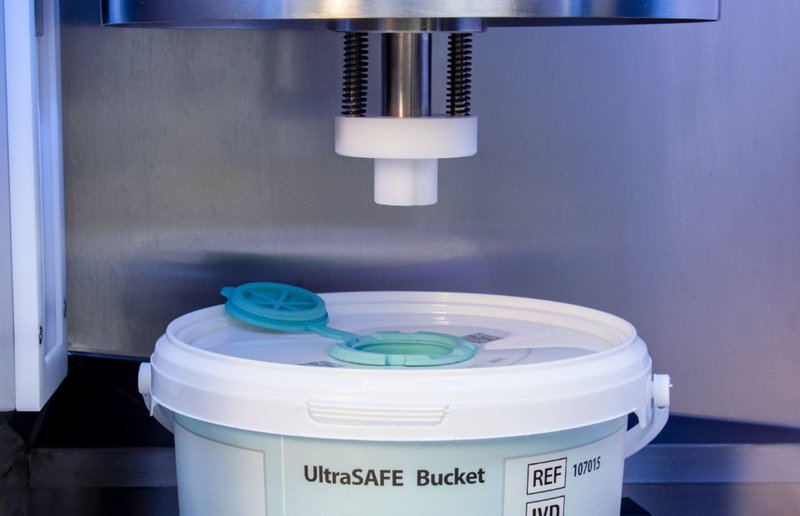
Dedicated closed vessel systems automatically dispense fixative fluids based on specimen weight. Sealed collection buckets utilize specialized one-way valves to prevent vapor escape. Containment hardware keeps chemical reagents fully enclosed from surgery through final examination.
Adopting integrated specimen systems protects healthcare personnel while preserving vital tissue quality. Standardized automated workflows eliminate chemical spills during transit between clinical departments. Practical formalin exposure reduction solutions provide dependable protection across preanalytical management phases.
Elevating Formalin Safety Standards Across Clinical Workflows
Achieving comprehensive formalin exposure reduction requires moving past simple personal protective equipment options. Modern healthcare facilities deserve advanced technology designed to contain hazardous chemical vapors. Priority safety strategies focus on transforming specimen handling workflows through smart automation.
Milestone Medical leads the healthcare industry with technical innovations that prioritize operator safety. Upgrading clinical facilities with closed-loop engineering safeguards operating room teams and pathology personnel. Get in touch with us to discover how formalin exposure reduction systems enhance safety.