Routine clinical operations depend on reliable instrument performance for delivering timely diagnostic reports. Implementing structured automatic tissue processor maintenance ensures delicate tissue samples undergo consistent reagent exchange. Proper equipment upkeep protects clinical sample integrity, preserves lab continuity, and minimizes hardware damage.
Standardized care plans preserve equipment performance, reduce avoidable downtime, and support reliable tissue processing. Protocol oversight protects tissue specimens from drying out, preventing diagnostic delays. Regular equipment care remains essential for running histology facilities and delivering results.
Following Manufacturer-Specified Automatic Tissue Processor Maintenance Requirements
Relying on informal maintenance routines introduces risk to complex tissue processing systems. Equipment manufacturers establish precise protocols to protect internal mechanics, sensors, and fluid lines. Adhering to documented guidelines ensures components receive care without exposure to damaging cleaning agents.
Following laboratory compliance requirements helps facilities maintain documented maintenance schedules that protect operational integrity. Routine alignment, sensor checkups, and valve inspections prevent shifts that compromise processing quality. Practicing structured automatic tissue processor maintenance prolongs system usability while protecting internal components from premature degradation.
Failing to replace consumable elements according to designated schedules results in errors and downtime. Daily checks must accompany professional servicing to maintain operational laboratory conditions. Technicians evaluate internal fluidics, pump calibrations, and heating elements during site visits.
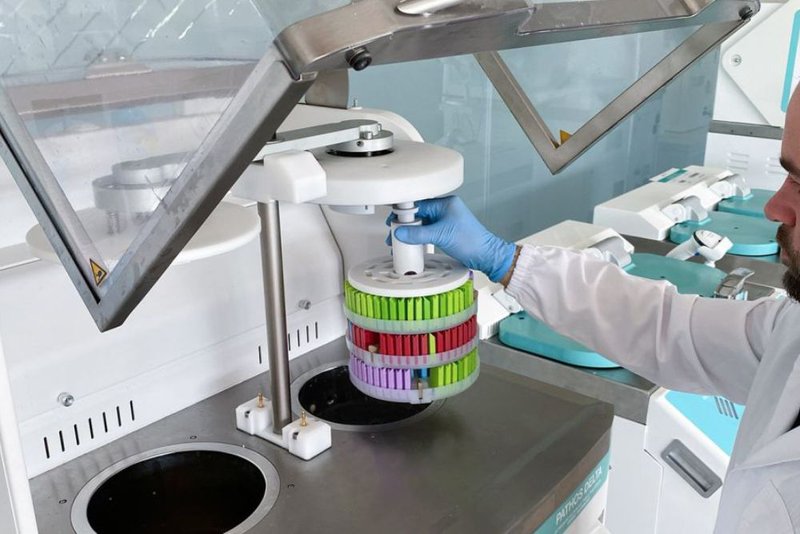
Keeping Processing Components Clean for Automatic Tissue Processor Maintenance
Work surfaces and internal chambers require cleanliness to prevent wax buildup and mechanical jams. Regular cleaning removes spilled reagents, paraffin drips, and debris before components harden. Sanitation prevents cross-contamination across biological specimens while preserving operational continuity in histology facilities.
Equipment surfaces, retorts, and reagent lines require specific cleaning approaches for safety:
- Apply approved solvents to dissolve paraffin residue without damaging chamber seals.
- Inspect seal gaskets for cracks, debris, or wear to maintain pressure.
- Flush fluid transfer lines according to system guidelines to clear deposits.
- Wipe exterior housing to avoid chemical corrosion on touchscreens and buttons.
- Check drain valves to prevent blockages caused by solidified paraffin or tissue.
Clean work environments allow staff members to detect minor leaks or wear. Maintaining equipment in proper order reinforces automatic tissue processor maintenance routines across shifts.
Using Preventive Care to Reduce Unexpected Interruptions
Unplanned instrument downtime disrupts laboratory schedules, delaying patient diagnostic reports and creating specimen backlogs. Practicing preventive maintenance of lab equipment optimizes long-term system performance and reliability. Identifying component fatigue early allows facilities to plan repairs during off-peak operational hours.
Modern automated tissue processors feature diagnostic warnings, temperature alerts, and pressure systems for detection. Technical staff must address warnings immediately rather than bypassing system prompts during runs. Intervention prevents sensor miscalibrations from cascading into complete system shutdowns that endanger samples.
Component replacement keeps fluid movement, heating cycles, and vacuum pressure operating within tight tolerances. Standardizing preventive maintenance inspections creates predictable workflow cycles, reducing emergency service requests and protecting tissues. Scheduled care turns automatic tissue processor maintenance into an organized routine rather than an emergency response.
Documenting Operational Logs for Automatic Tissue Processor Maintenance
Operational oversight requires dedicated maintenance tracking, defined team roles, and structured technical support. Documenting operational tasks creates clear accountability among histotechnicians handling diagnostic equipment across shifts. Organized records help supervisors identify recurring operational issues before expensive component failures occur.
Histology departments must establish structured documentation protocols for daily handling of processing platforms:
- Establish maintenance logs tracking cleaning, reagent rotations, sensor calibrations, and service visits.
- Assign specific routine maintenance tasks to trained histotechnicians to ensure accountability across shifts.
- Define clear escalation procedures so personnel report unusual equipment noises or fluid leaks.
- Record software updates and system calibrations to maintain full operational integrity over time.
- Track component replacement histories to anticipate hardware wear before critical processing failures happen.
Detailed logs provide service engineers with operational histories when troubleshooting complex mechanical issues. Consistent records guarantee comprehensive automatic tissue processor maintenance compliance during strict regulatory inspections.
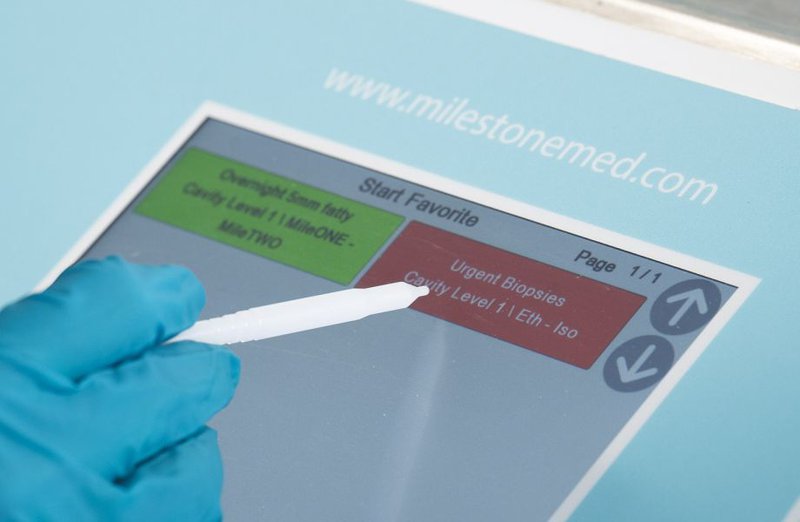
Managing Reagent Quality for Optimal Processing Operations
Monitoring reagent purity protects tissue architecture while preventing tubing blockages inside automated processing hardware. Hydrometer checks ensure alcohol concentrations remain within exact operating parameters during tissue dehydration cycles. Replacing contaminated clearing agents prevents wax precipitation inside valves, pumps, and fluid sensors.
Executing automated reagent rotation protocols removes accumulated debris before chemical breakdown degrades solution strength. Cycling fresh solvents through tissue retort chambers extends processing valve longevity over time. Chemical oversight supports automatic tissue processor maintenance efforts by preventing residue and scale buildup.
Chemical maintenance safeguards tissue specimens while reducing strain on internal pumping mechanisms during transfers. Histology technicians monitor solvent purity to ensure fluid movements through internal chambers. Standardized reagent management practices complement automatic tissue processor maintenance to support long-term instrument reliability and consistent histology results.
Upgrading System Longevity Through Consistent Operational Maintenance
System longevity requires operator vigilance, adherence to protocols, and prompt technical support. Neglecting basic care protocols degrades system efficiency, leading to specimen processing failures. Attention to routine maintenance details protects capital investments while maintaining dependable turnaround times.
Care protocols must adapt whenever processing volumes change or tissue protocols open. Training personnel to recognize system behavior helps them spot operational changes early. Practicing thorough automatic tissue processor maintenance guarantees every tissue specimen undergoes uniform, high-quality preparation.
Establishing instrument care keeps histology departments running while protecting biological samples. Maintained processors minimize chemical waste, lower repair expenses, and ensure workflow efficiency. Technical diligence supports reliable diagnostic outcomes across every patient sample batch.
Building Diagnostic Excellence Through Comprehensive Processing Support
Reliable tissue processing depends on equipment maintained through structured automatic tissue processor maintenance and supported throughout its operational life. Solutions built around workflow efficiency and specimen safety empower clinical teams to perform better. Processing models ranging from high-throughput systems to benchtop processors deliver performance.
Milestone Medical provides care guidelines alongside technical support, ensuring processing instruments deliver excellence over time. Consistent automatic tissue processor maintenance transforms laboratory operations, safeguarding diagnostic precision for patient samples. Connect with the team to discover how our modern platforms optimize your clinical workflow today.
if(window.strchfSettings === undefined) window.strchfSettings = {};window.strchfSettings.stats = {url: “https://milestone-medical-technologies-inc.storychief.io/maintenance-best-practices-to-extend-automatic-tissue-processor-lifespan?id=178887833&type=2”,title: “Maintenance Best Practices to Extend Automatic Tissue Processor Lifespan”,siteId: “23596”,id: “”};(function(d, s, id) {var js, sjs = d.getElementsByTagName(s)[0];if (d.getElementById(id)) {window.strchf.update(); return;}js = d.createElement(s); js.id = id;js.src = “https://d37oebn0w9ir6a.cloudfront.net/scripts/v0/strchf.js”;js.async = true;sjs.parentNode.insertBefore(js, sjs);}(document, ‘script’, ‘storychief-jssdk’))