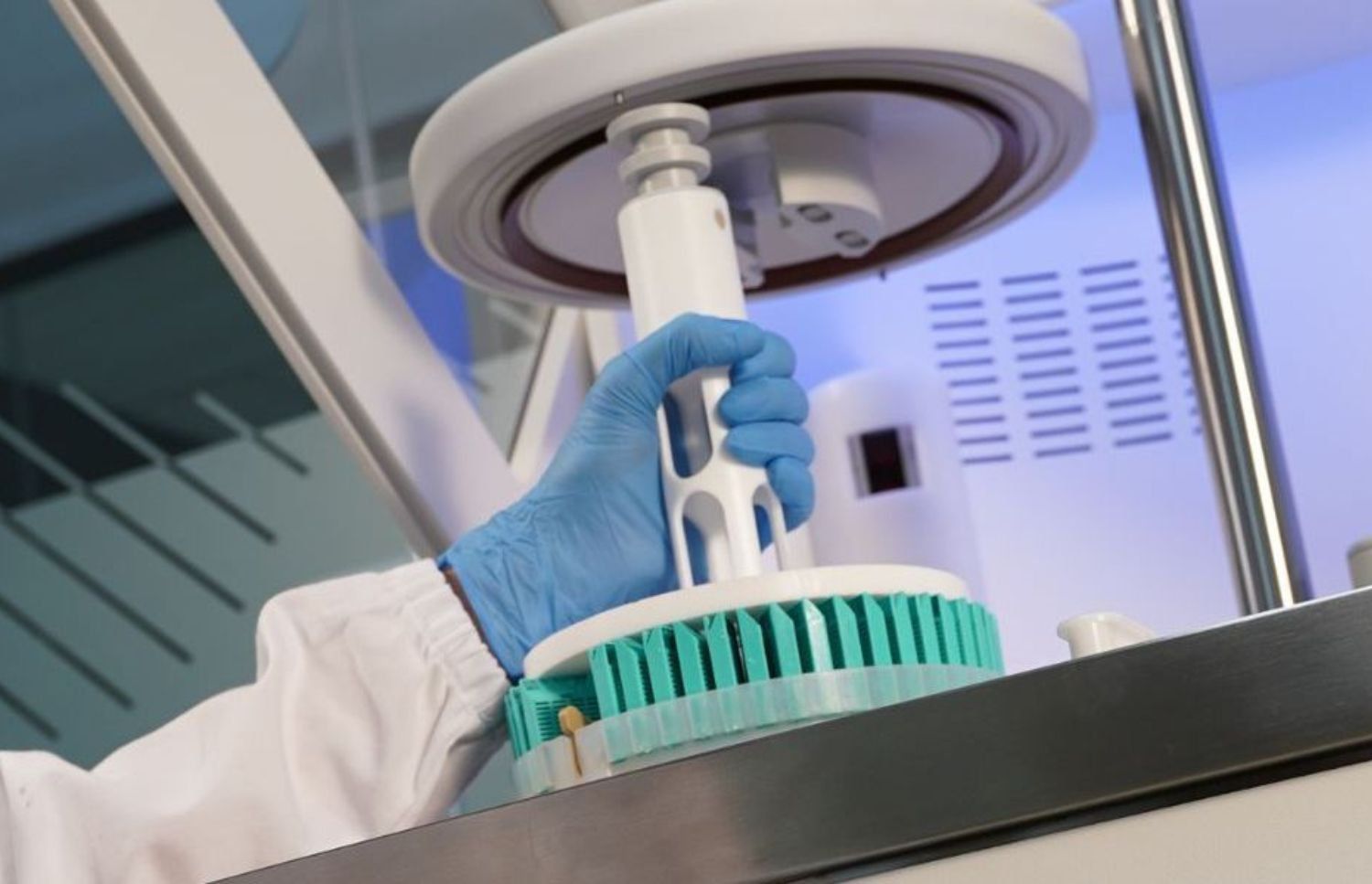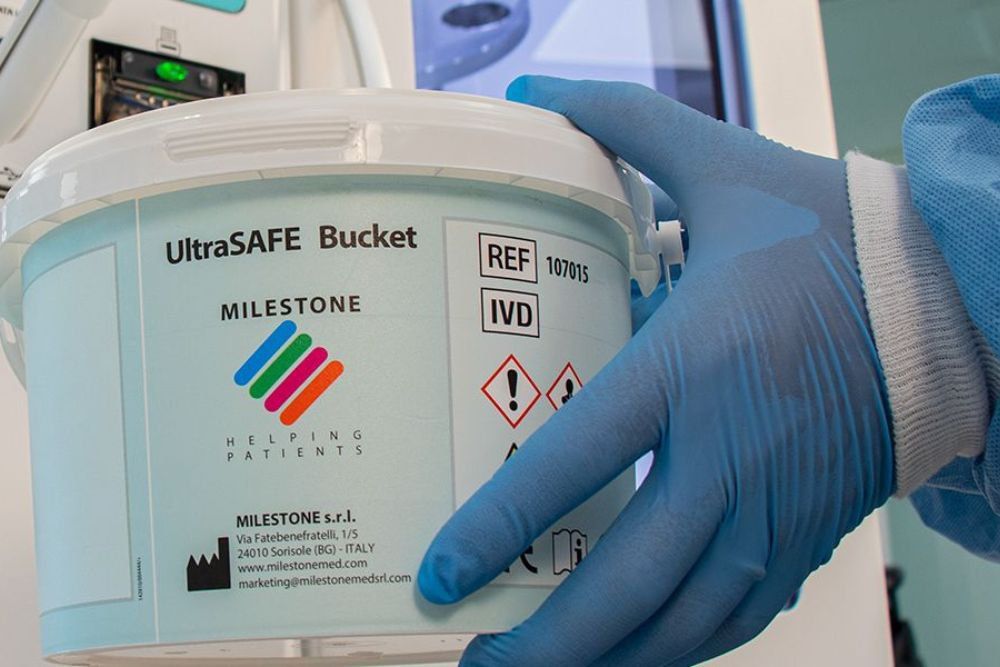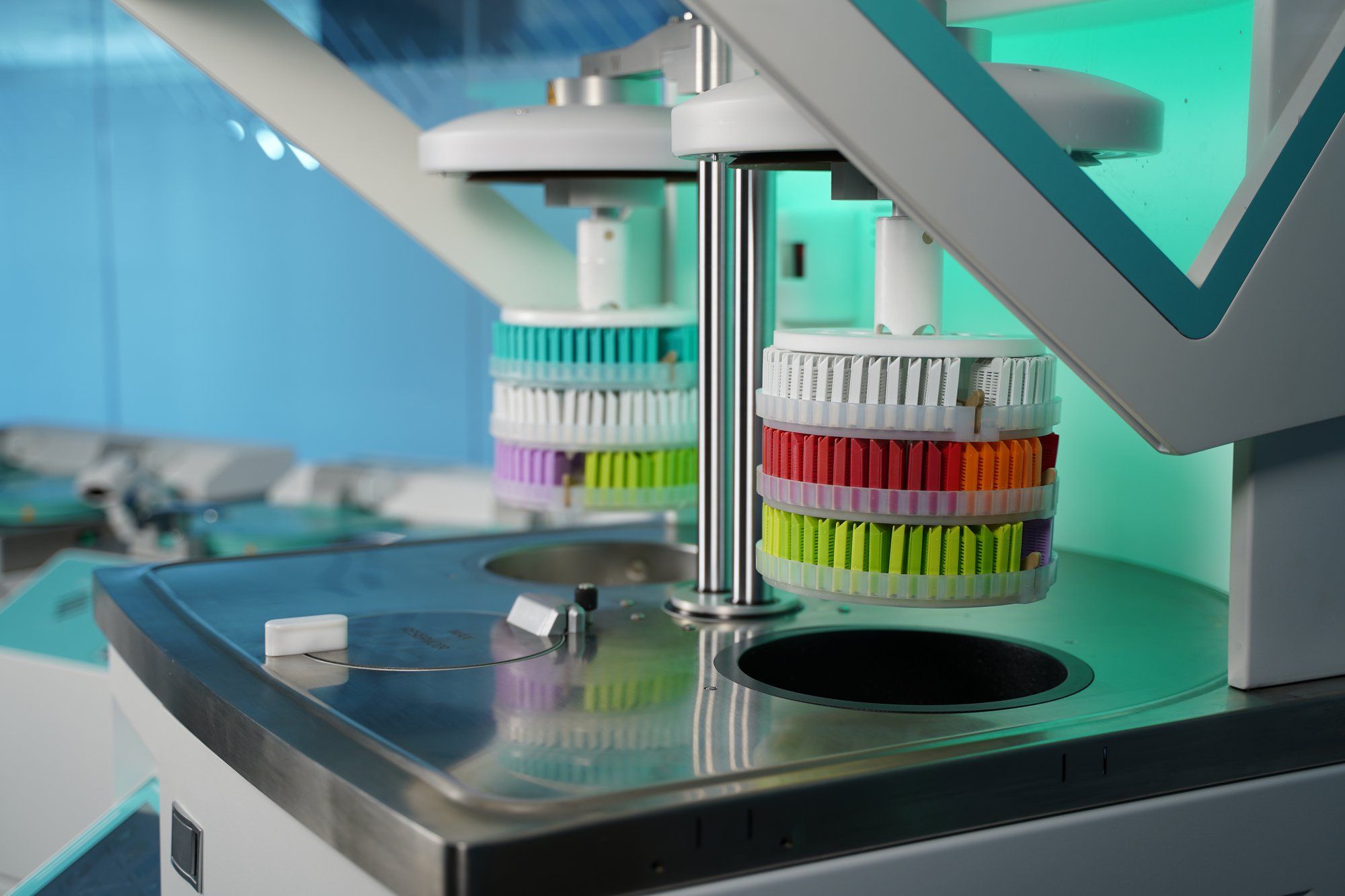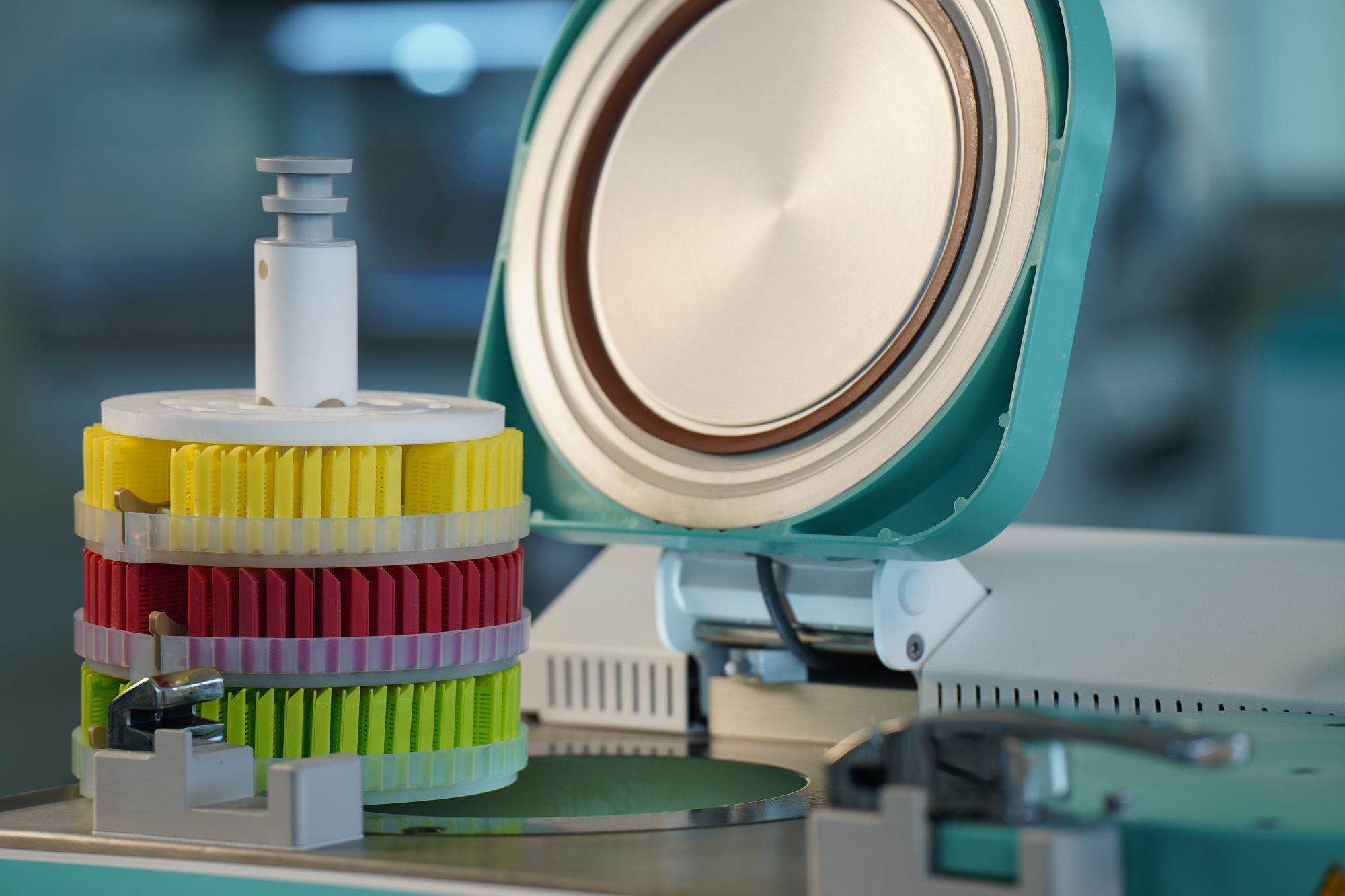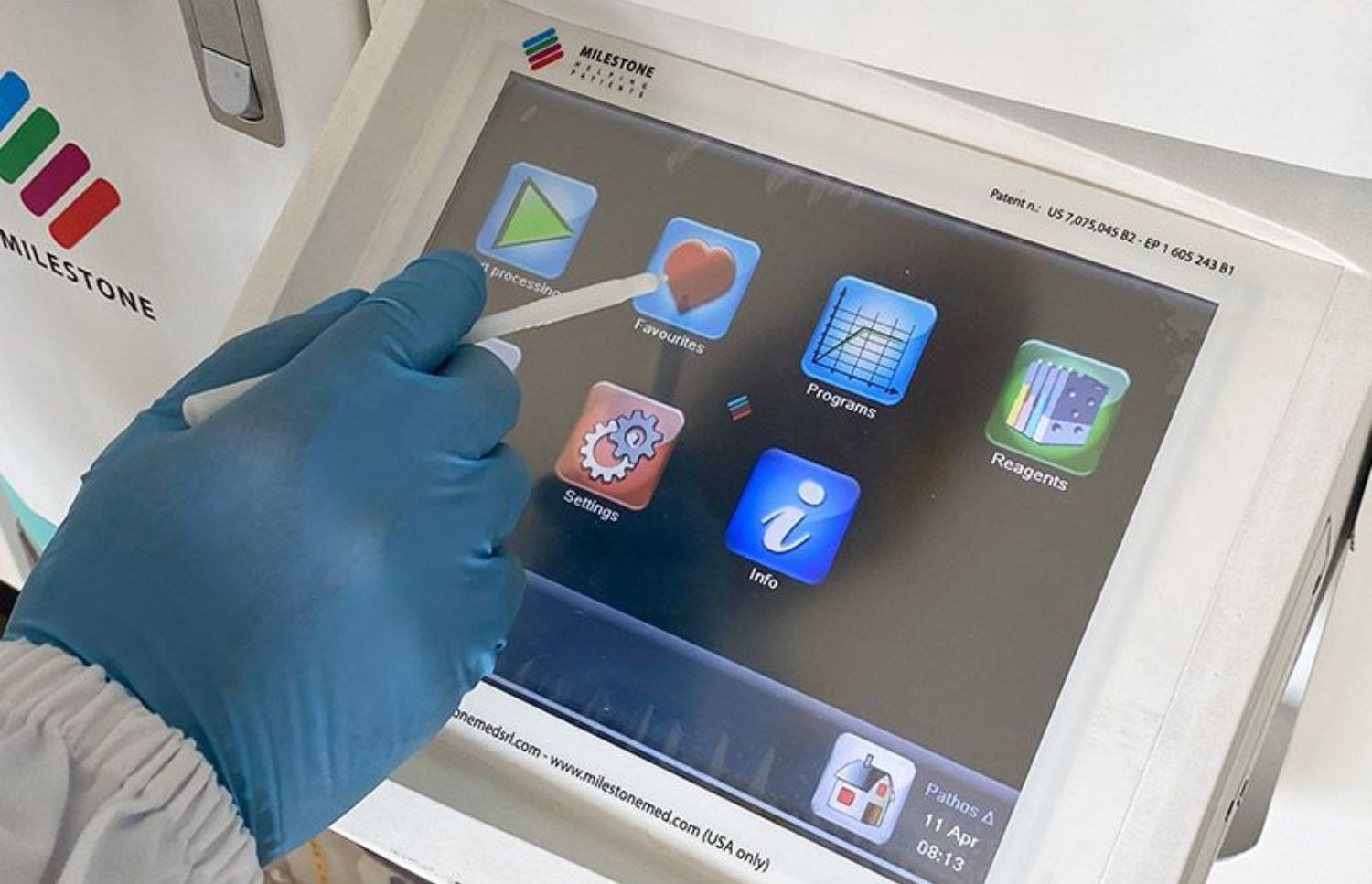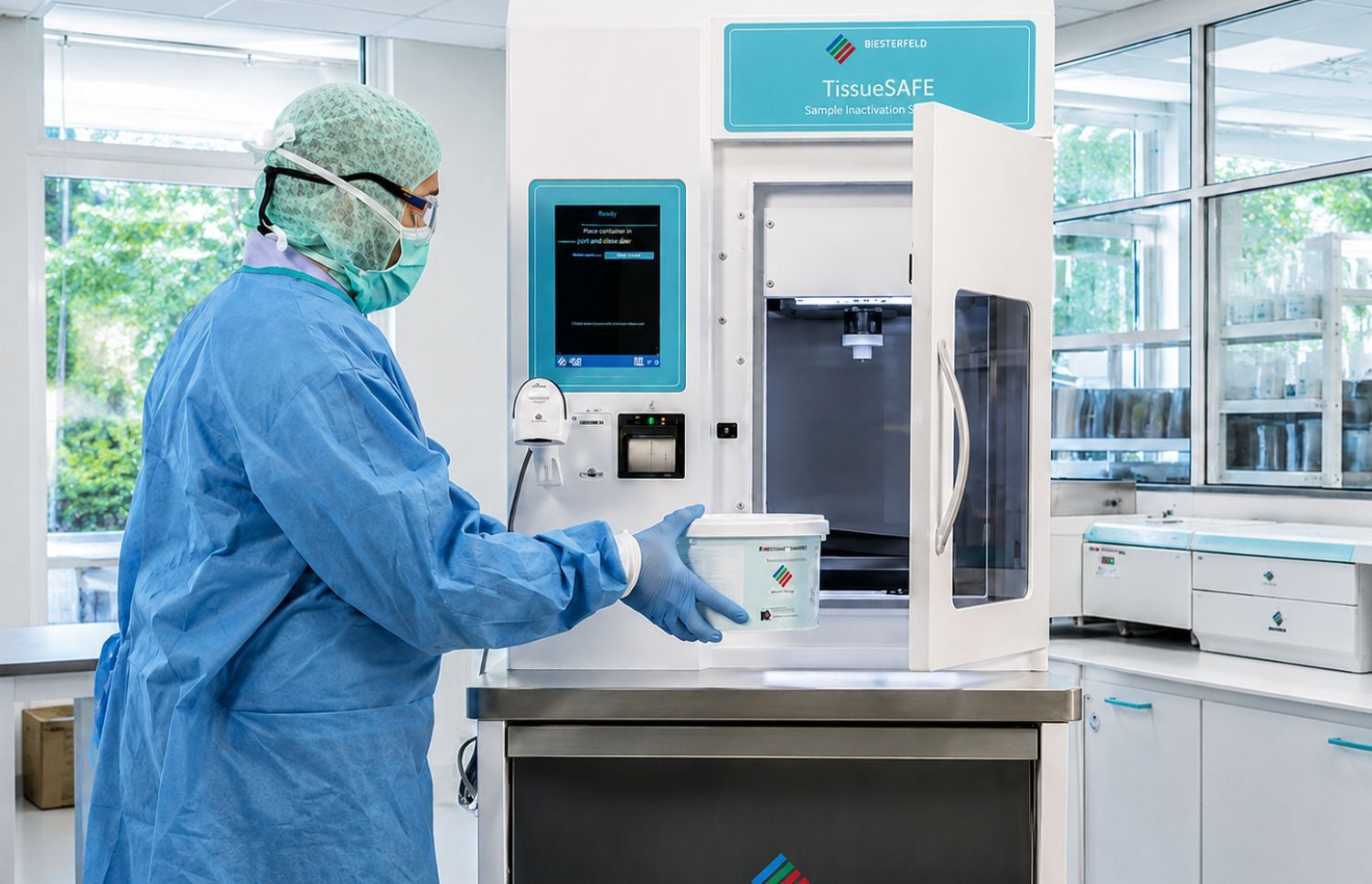
Dr. med. Holger Hauspurg dives deep into the world of decalcification, focusing on how automation is changing the game.
Discover how the latest automated decalcification technologies, such as MAGNUS DECAL, offer the same high-quality results as traditional methods, but with the added advantage of a fully standardized, automated process.
Say goodbye to the variability and unpredictability of conventional techniques. With automation, you can ensure precision and reliability, all while optimizing efficiency in your lab. Don’t miss this opportunity to learn how automation is setting new...
Health and Environmental Benefits of Safer Reagents in Histology
Laboratories increasingly prioritize safety and sustainability as safer reagents in histology gain wider adoption. These chemicals help reduce exposure risks while supporting reliable tissue processing workflows every day. Balancing performance with environmental responsibility remains a critical challenge for clinical and research laboratories.
Many traditional reagents pose health hazards, prompting labs to explore greener, more sustainable alternatives. Modern protocols encourage minimizing toxic exposure while maintaining high-quality diagnostic results. Ultimately, adopting safer...
Eliminating Xylene From Tissue Processing Workflows
Traditional histology laboratories have relied on organic solvents for decades during routine specimen preparation. However, many tissue processing workflows still depend on xylene despite increasing concerns about histology laboratory safety. Growing awareness of occupational exposure risks is prompting laboratories to reconsider longstanding processing practices.
Laboratory professionals increasingly evaluate chemical exposure risks affecting technicians, pathologists, and supporting clinical teams. Meanwhile, regulatory guidance continues emphasizing stronger protections related to...
Improving Awareness of Formalin Hazards in the Operating Room
Formalin exposure in the operating room presents significant hazards for staff, patients, and workflow efficiency. Ensuring formalin safety requires ongoing staff safety training alongside strict adherence to operating protocols. Awareness of potential hazards supports safer working conditions and reduces preventable occupational injuries.
Repeated formalin exposure may cause respiratory irritation, skin discomfort, and long-term health consequences. Recognizing hazards early helps teams implement protective measures and maintain consistent compliance. Furthermore, structured safety...
Regulatory Considerations for Formalin Use in Operating Rooms
Ensuring formalin safety compliance is critical in operating rooms where specimen fixation begins after extraction. Staff exposure can result in eye, skin, and respiratory irritation if procedures remain unregulated. Therefore, operating rooms must enforce OSHA compliance standards to ensure safe handling practices throughout all workflows.
Formaldehyde is a volatile chemical classified as a potential occupational carcinogen by regulatory agencies. Continuous exposure without proper controls increases health risks for nurses and surgical technicians. Ultimately, understanding exposure...
Reducing Turnaround Time in Anatomic Pathology Laboratories
Delayed case completion strains laboratory operations and staff efficiency. Rapid tissue processing directly affects diagnostic turnaround and patient care. Extended processing timelines may delay treatment planning and clinical decisions.
Operational bottlenecks increase overtime costs and administrative workload. Prolonged specimen handling can affect tissue quality and staining consistency. Laboratories need structured solutions that improve speed without compromising diagnostic accuracy.
Hidden Bottlenecks Impacting Rapid Tissue Processing
Workflow interruptions often start during...
Improving Biopsy Processing Without Compromising Quality
Reliable biopsy processing balances speed with accurate tissue evaluation for clinicians. Failure to uphold quality in specimen handling disrupts diagnostic workflows and delays patient care. Laboratories must adopt deliberate strategies to reinforce specimen handling best‑practices without sacrificing efficiency.
Inadequate workflows can compromise tissue morphology and stain quality, lowering overall diagnostic confidence. Skilled teams using robust protocols reduce variability and maintain consistency across all specimens and cases. Early emphasis on quality prevents costly errors and...