Modern anatomical pathology laboratories experience immense pressure to deliver diagnostic results quickly to clinical teams. Consequently, implementing efficient rapid tissue processing protocols has become vital for maintaining seamless diagnostic workflows. Pathologists rely heavily on swift turnaround times to make critical patient care decisions promptly.
Histology technicians must constantly balance speed with the strict maintenance of specimen integrity. Unfortunately, operational delays frequently occur when standard laboratory processing procedures encounter unexpected internal disruptions. Laboratory managers must therefore actively identify hidden vulnerabilities within their current technical workflows.
Navigating Operational Barriers in Rapid Tissue Processing
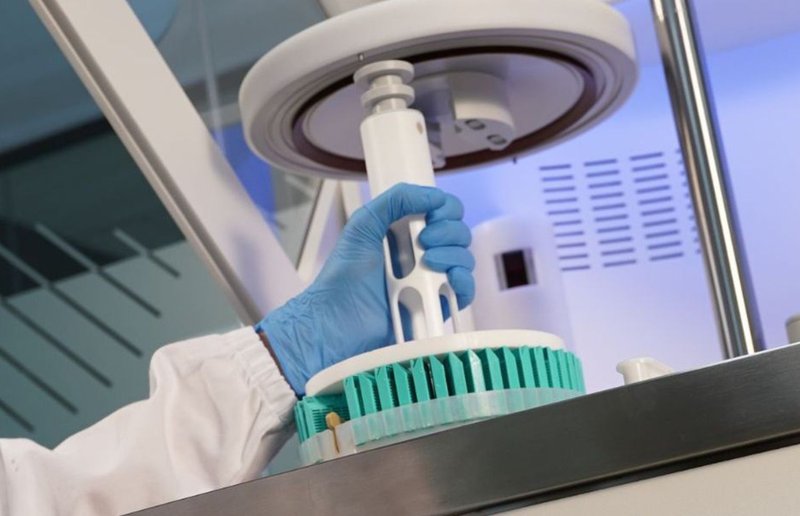
Systemic delays often arise from the improper management of critical laboratory processing reagents during rapid tissue processing. Manual chemical transfers increase tissue handling times and elevate workplace exposure risks. Inconsistent cassette loading practices frequently compromise the chemical infiltration of delicate patient specimens.
Tissue degradation occurs when technicians use exhausted reagents during critical dehydration cycles. Additionally, unexpected processor downtime disrupts the structured schedule of high-volume pathology laboratories. These combined technical oversights ultimately lead to costly delays in clinical diagnosis.
As a result, laboratory managers must prioritize regular equipment maintenance to prevent sudden operational halts. Implementing automated chemical tracking systems effectively eliminates human error during reagent rotation cycles. Standardizing cassette arrangement practices also ensures uniform reagent exposure to maintain efficient rapid tissue processing.
The Impact of Delays on Pathology Performance
Workflow interruptions directly prolong diagnostic turnaround times for critical patient biopsy specimens. For this reason, pathologist teams experience significant frustration while waiting for delayed tissue slides. Increased workloads rapidly exhaust laboratory technicians who must constantly catch up on backlogs.
To clarify the situation, specific operational vulnerabilities regularly disrupt standard productivity within high-volume pathology departments:
- Delayed diagnoses postpone oncology treatment initiation for critically ill hospital patients.
- Inconsistent processing quality necessitates frequent, time-consuming tissue blocks recutting protocols.
- Overworked laboratory staff members face higher rates of operational burnout.
- Inefficient chemical utilization dramatically increases overall laboratory monthly spending habits.
- System downtime compromises the strict chain of custody for precious specimens.
In the final analysis, operational inefficiencies threaten the standard of care within modern pathology departments. Stabilizing these daily technical procedures protects patient safety through consistent rapid tissue processing.
Advanced Automation Optimizes Rapid Tissue Processing
Modern laboratory automation dramatically reduces manual handling requirements during rapid tissue processing. Intelligent software platforms accurately monitor chemical quality to prevent tissue under-processing errors. On top of that, enclosed system designs protect laboratory technicians from harmful chemical vapor exposure.
In accordance with a comprehensive study detailed in the American Journal of Clinical Pathology, standardized automated protocols significantly reduce overall specimen processing turnaround times. Advanced equipment maintains precise temperature controls to optimize chemical penetration into tissues. These integrated technological features ensure consistent diagnostic quality across diverse specimen types.
Modern histopathology laboratories achieve superior operational efficiency through automated workflow upgrades. Laboratories successfully minimize tissue processing errors by utilizing highly advanced medical equipment. Investing in innovative rapid tissue processing technology remains essential for modern, high-volume diagnostic centers.
Proactive Strategies for Sustainable Workflow Optimization
Conducting regular workflow audits helps laboratory managers identify specific localized operational bottlenecks. Establishing comprehensive preventative maintenance schedules prevents sudden, expensive laboratory equipment failures. Documenting standardized operating procedures ensures clinical consistency across all laboratory shifts.
By implementing structured systemic adjustments, pathology departments can maintain exceptionally high productivity levels:
- Detailed workflow mapping reveals hidden time delays within daily laboratory operations.
- Cross-training laboratory staff members ensures continuous productivity during unexpected employee absences.
- Upgrading to scalable processing equipment accommodates future increases in specimen volumes.
- Utilizing validated digital tracking systems enhances the overall specimen chain of custody.
- Optimizing laboratory physical layouts reduces unnecessary physical movement of tissue cassettes.
Bearing this in mind, proactive structural modifications significantly reduce daily physical stress for busy histotechnicians. Moreover, strategic procedural changes establish an ideal environment for stable rapid tissue processing.
Overcoming Bottlenecks with Rapid Tissue Processing Innovations
Innovative laboratory technology effectively streamlines complex specimen preparation steps in modern histopathology. With this in mind, extensive occupational health research outlined by the National Institute for Occupational Safety and Health demonstrates that automated chemical containment systems drastically decrease laboratory formaldehyde exposure levels. Minimizing manual intervention allows laboratory technicians to focus on critical quality control.
Advanced rapid tissue processing systems safely accelerate chemical fixation without compromising cellular morphology. Continuous throughput capabilities eliminate the traditional batch processing delays that slow down laboratories. Transitioning to modern rapid tissue processing systems optimizes overall clinical laboratory performance.
Coupled with these benefits, advanced technical solutions easily adapt to the growing volumes of modern pathology departments. Laboratory managers can confidently meet strict diagnostic deadlines without sacrificing specimen safety. Adopting automated processing solutions represents a critical step toward achieving laboratory excellence.
Establishing Reliable Standardization in Pre-Analytical Protocols
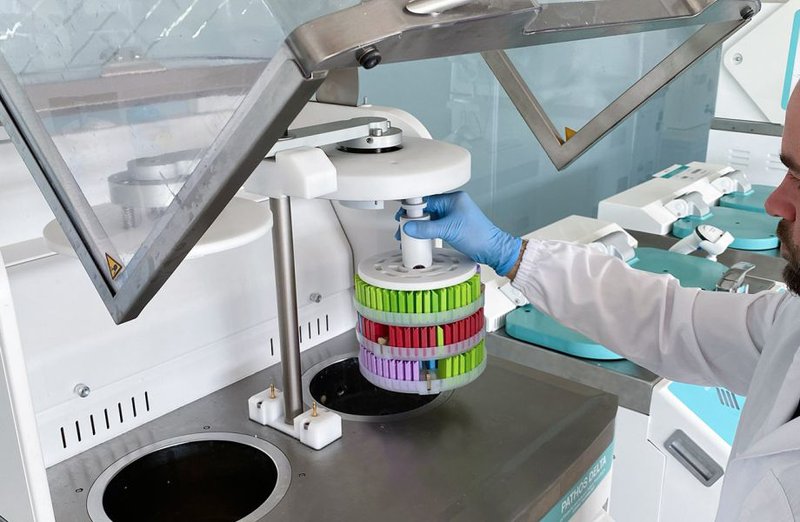
Achieving clinical excellence requires strict control over every pre-analytical variable within the laboratory. For that reason, tissue preparation steps must follow rigorous, reproducible operational guidelines daily. Uncontrolled factors during specimen collection frequently alter subsequent rapid tissue processing results.
Maintaining precise processing standards protects cell morphology for accurate downstream molecular analysis. Implementing automated tracking systems reduces specimen identification errors during busy laboratory shifts. Consistent rapid tissue processing protocols eliminate diagnostic variability between different laboratory technician teams.
To sum up, standardized workflows build absolute confidence in subsequent pathological slide interpretations. Laboratory leadership must ensure that technical teams follow optimized tissue preparation pathways. Embracing advanced technology remains the most reliable method to achieve complete standardization.
Elevate Your Diagnostic Efficiency with Milestone Medical
Overcoming persistent workflow bottlenecks requires advanced equipment engineered specifically for modern laboratory reliability. Fortunately, Milestone Medical designs innovative rapid tissue processing solutions to streamline complex pathology operations. The integrated MAGNUS, EVO, and EVO One tissue processors provide exceptional automated performance.
These advanced instruments maximize laboratory uptime while protecting precious tissue specimens. By implementing Milestone Medical technology, your pathology department achieves consistent diagnostic turnaround times. Lean on proven rapid tissue processing innovation to support your dedicated laboratory staff.
if(window.strchfSettings === undefined) window.strchfSettings = {};window.strchfSettings.stats = {url: “https://milestone-medical-technologies-inc.storychief.io/addressing-workflow-bottlenecks-in-rapid-tissue-processing?id=1214219048&type=2”,title: “Addressing Workflow Bottlenecks in Rapid Tissue Processing”,siteId: “23596”,id: “”};(function(d, s, id) {var js, sjs = d.getElementsByTagName(s)[0];if (d.getElementById(id)) {window.strchf.update(); return;}js = d.createElement(s); js.id = id;js.src = “https://d37oebn0w9ir6a.cloudfront.net/scripts/v0/strchf.js”;js.async = true;sjs.parentNode.insertBefore(js, sjs);}(document, ‘script’, ‘storychief-jssdk’))