Surgical departments prioritize patient outcomes while maintaining strict environmental safety protocols for clinical staff. Managing surgical specimens effectively requires standard chemical fixatives, which introduce unexpected formalin exposure risks. Protecting operating room teams from hazardous vapors requires comprehensive assessment of chemical handling.
Standard preservation protocols often rely heavily on manual liquid transfers in the operating room. Toxic chemical spills and airborne vapors threaten the health of surgical technicians daily. Implementing modern engineering controls helps clinical facilities mitigate dangerous occupational hazards successfully.
Identifying Sources of Formalin Exposure
Tissue preservation begins immediately after surgical removal to protect crucial cellular structures. Operating rooms frequently handle completely unsealed specimen containers during intense clinical procedures. Open containers permit chemical fumes to escape, creating preventable formalin exposure incidents.
Furthermore, manual pouring methods generate significant splashing hazards for nearby medical workers. Splashed chemical liquids easily contaminate sterile environments and cause immediate respiratory irritation. Medical staff faces elevated risks when transferring specimens into oversized storage buckets.
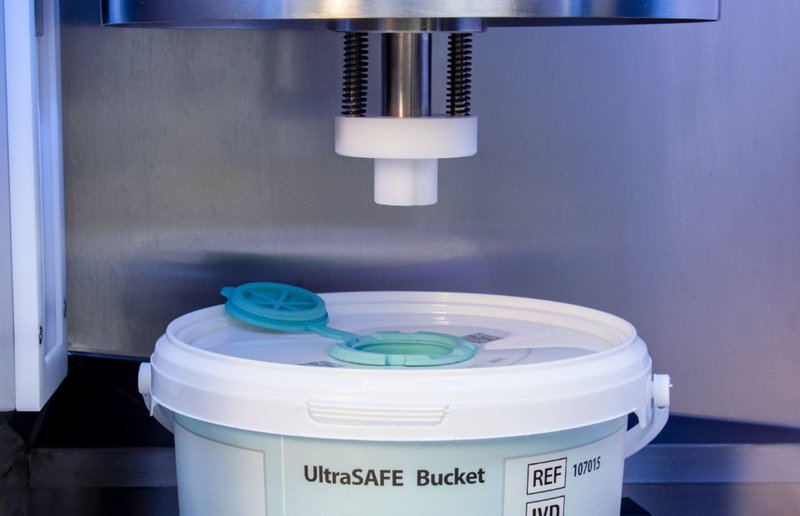
As a direct consequence, transporting poorly sealed diagnostic buckets across clinical corridors introduces additional contamination dangers. Dropping specimen containers releases toxic liquids onto porous hospital floor surfaces. Therefore, tracking every step of specimen transport remains vital for facility safety.
Health Consequences of Formaldehyde Volatility
Acute contact with chemical fixative vapors triggers rapid eye and throat irritation. Prolonged occupational contact frequently leads to chronic respiratory issues like severe asthma and even cancer. Thus, minimizing daily formalin exposure safeguards the physical health of clinical employees.
In addition to short-term irritation, chronic inhalation of chemical fixatives such as formalin carries severe long-term systemic health consequences. Regulatory agencies classify formaldehyde as a proven human carcinogen affecting healthcare professionals. According to official guidelines on the OSHA Formaldehyde Standard, employers must maintain airborne concentrations below a permissible exposure limit of zero point seventy-five parts per million.
Exceeding safety limits exposes medical institutions to significant legal and financial liabilities. Additionally, compromised employee health results in increased absenteeism and reduced workflow efficiency. Protecting healthcare teams requires the immediate adoption of advanced technological safety measures.
Standardizing Protocols to Limit Formalin Exposure
Establishing rigid guidelines helps clinical organizations systematically control dangerous daily chemical hazards. Comprehensive safety strategies ensure that surgical departments handle liquid fixatives uniformly. Strict adherence to updated regulatory mandates safeguards healthcare workers from avoidable workspace hazards.
In light of these requirements, evaluating advanced clinical protocols reveals important options for reducing chemical contact:
- Utilizing pre-filled specimen cups prevents staff from pouring bulk chemical fixatives manually.
- Placing dedicated exhaust hoods near specimen stations captures escaping airborne toxic fumes.
- Labeling chemical transport bins clearly warns hospital personnel about potential biohazard risks.
- Mandating personal protective equipment prevents accidental dermal contact with hazardous chemical liquids.
- Storing medical specimens in heavy duty containment units limits environmental evaporation effectively.
Systematic procedural changes build a reliable framework for sustainable chemical safety management. Consequently, educated medical professionals proactively minimize unnecessary dangerous formalin exposure through constant vigilance.
Modernizing Equipment for Formalin Exposure Control
Upgrading existing surgical infrastructure provides superior protection compared to simple behavioral protocols. Specialized medical technology completely eliminates human error during dangerous chemical containment processes. Modern engineering installations ensure continuous air purification within high-risk hospital processing zones.
To achieve maximum protection, evaluating advanced ventilation systems reveals important options for reducing dangerous volatile fumes:
- Automated containment systems isolate dangerous vapors entirely away from the breathing zones.
- Enclosed dispensing mechanisms measure chemical fluids precisely without risking accidental skin splashes.
- Integrated charcoal filtration units continuously purify internal air before releasing it outward.
- Smart sensors immediately alert surgical technicians if chemical levels exceed safe thresholds.
- Sealed extraction valves allow safe fluid disposal without exposing operating room staff.
Investing in advanced technology demonstrates a strong corporate commitment to employee welfare. On the whole, modernizing chemical tools successfully limits daily formalin exposure while maintaining full regulatory compliance.
Enhancing Collaboration Between Departments
Seamless communication between operating rooms and pathology laboratories drastically improves specimen safety. Shared tracking protocols ensure that chemical fixatives remain securely contained during transfer. When departments synchronize clinical workflows, unmonitored hazardous formalin exposure risks decrease significantly.
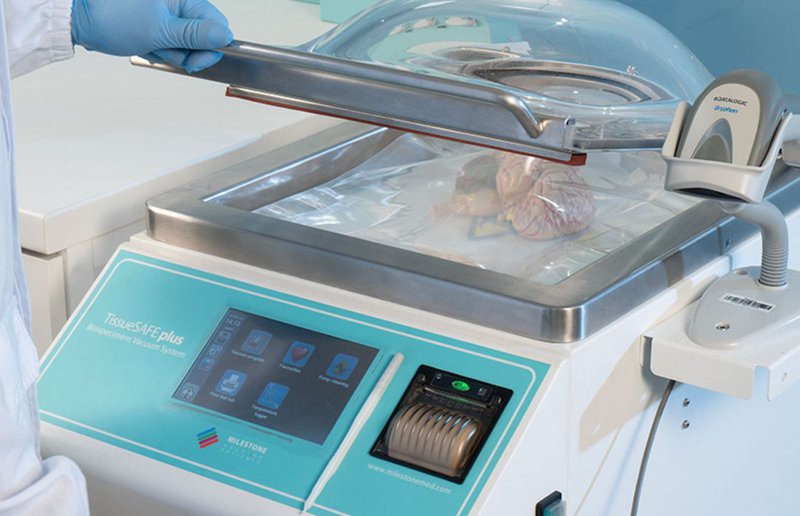
Joint training exercises allow surgical and laboratory staff to practice spill containment. Data from the NIOSH Pocket Guide to Chemical Hazards indicates that peak short-term vapor concentrations can easily cross strict ceiling thresholds during manual handling. Understanding specific cross-departmental requirements helps clinical institutions eliminate unnecessary open-air processing steps.
With this purpose in mind, shared documentation ensures a complete chain of custody for every biological sample. Regular collaborative audits identify vulnerable points where chemical vapors might leak out. Ultimately, unified team efforts establish an unyielding culture of clinical safety excellence.
Continuous Education and Hazard Awareness
Regular safety education ensures that surgical staff members recognize chemical exposure symptoms. Ongoing training programs should emphasize immediate emergency responses to major chemical spills. When outdated fluid safety practices compromise staff health, it is time to do better.
In the meantime, informative workplace signage reminds healthcare professionals to secure container lids tightly every time. Proper instruction successfully transforms passive safety guidelines into active daily operational habits. Therefore, clinical teams proactively minimize unnecessary dangerous formalin exposure through constant vigilance.
Evaluating safety performance regularly helps medical directors update aging facility infrastructure timely. Comprehensive chemical monitoring verifies that air quality remains within acceptable statutory parameters. Empowered healthcare employees consistently maintain safer clinical workflows across all surgical shifts.
Advancing Chemical Safety with Milestone Medical Solutions
Prioritizing chemical containment in operating rooms safeguards healthcare teams from toxic vapors. Minimizing daily formalin exposure helps clinical facilities modernize workflows and improve diagnostic reliability. Adopting fully automated chemical handling systems provides the ultimate defense against airborne hazards.
Milestone Medical offers innovative specimen management solutions designed to eliminate dangerous manual pouring. Their UltraSAFE Automatic Formalin Dispenser completely secures hazardous fluids during diagnostic processing. Learn how UltraSAFE can protect your OR team from accidental formalin exposure.
if(window.strchfSettings === undefined) window.strchfSettings = {};window.strchfSettings.stats = {url: “https://milestone-medical-technologies-inc.storychief.io/understanding-formalin-exposure-risks-in-operating-rooms?id=618126197&type=2”,title: “Understanding Formalin Exposure Risks in Operating Rooms”,siteId: “23596”,id: “”};(function(d, s, id) {var js, sjs = d.getElementsByTagName(s)[0];if (d.getElementById(id)) {window.strchf.update(); return;}js = d.createElement(s); js.id = id;js.src = “https://d37oebn0w9ir6a.cloudfront.net/scripts/v0/strchf.js”;js.async = true;sjs.parentNode.insertBefore(js, sjs);}(document, ‘script’, ‘storychief-jssdk’))