Operating room environments require meticulous attention to clinical safety and precise specimen preservation. Daily surgical procedures frequently subject dedicated healthcare staff to hazardous formalin exposure during work. Managing tissue specimens requires continuous close contact with liquid fixatives that release toxins.
Extended contact during these routine procedures can slowly compromise the overall well-being of teams. Consequently, modern healthcare facilities are actively seeking protective methods to eliminate workplace hazards. Protecting vulnerable clinical staff from hazardous formalin exposure has become critical for administrators.
Investigating Airborne Hazards within Surgical Suites
Surgical departments handle numerous fresh tissue specimens that require immediate chemical stabilization. Operating room nurses regularly pour liquid preservatives into open plastic containers near patients. This standard practice generates volatile toxic vapors that staff members inhale during shifts.
Standard operating room ventilation systems often fail to clear these chemical fumes quickly. As a result, clinical personnel face continuous low-level inhalation risks throughout their active working hours. Every open container adds to the cumulative airborne chemical burden in suites.
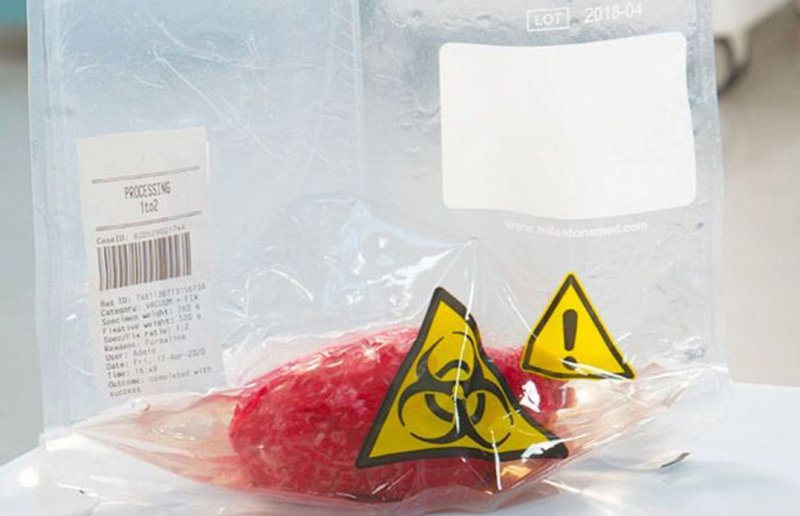
Accidental splashes during tissue transfers present another immediate hazard for operating room staff. Liquid chemicals can easily contact unprotected skin or eyes during hurried procedures. These incidents expose nursing personnel to concentrated toxins without warning during shifts.
Potential Occupational Health Concerns of Formalin Exposure
Repeated inhalation of volatile fixative vapors triggers immediate physiological irritation in human tissues. Nurses frequently report burning sensations in their eyes, nose, and throat daily. According to evaluation guidelines from the CDC/NIOSH, evaluated exposure ceilings protect workers from acute airway damage.
In addition to respiratory irritation, dermal contact with liquid fixatives causes severe, painful skin conditions. Regular exposure can sensitize the skin, leading to severe allergic contact dermatitis. Affected nurses experience persistent itching, redness, and swelling on hands and arms.
Long-term systemic risks represent the most serious consequence of unmitigated toxic chemical inhalation. According to research on PubMed, prolonged formalin exposure increases chronic respiratory risks significantly. Operating room nurses deserve comprehensive protection from these severe, life-altering medical conditions.
Implementing Safe Formalin Exposure Controls
Modern surgical departments must implement strict engineering controls to eliminate chemical vapor risks. Enclosed dispensing systems offer an effective method for isolating hazardous liquids from staff. These advanced technologies prevent toxic fumes from escaping into the ambient breathing zone.
The following list outlines critical equipment requirements for maximizing operating room safety:
- Automated closed systems completely seal hazardous fluids during the entire dispensing process.
- Integrated carbon filters actively capture airborne chemical vapors before they escape outside.
- Customized structural mounts accommodate various sizes of standard surgical specimen containers safely.
- Digital volume sensors accurately measure exact fluid quantities to prevent overfilling errors.
Utilizing automated equipment ensures that liquid fixatives remain completely contained during transfer. This defensive approach drastically minimizes the need for manual pouring by clinical teams, reducing overall formalin exposure.
Standardized Protocols for Reducing Formalin Exposure
Establishing standardized chemical handling guidelines significantly reduces accidental contact risks in surgical environments. Structured protocols ensure that every team member follows identical protective measures daily. Consistency in specimen preparation eliminates guesswork during fast-paced, complex surgical procedures.
The following list outlines critical protocol steps for maximizing nurse safety:
- Deploy dedicated chemical neutralizers immediately on accidental fluid spills to suppress vapor release.
- Utilize high-quality, airtight transport containers to prevent fume escape during specimen delivery.
- Restrict fixative handling to designated ventilation hoods outside the main operating suite.
- Wear specialized PPE and nitrile gloves that resist chemical permeation during specimen management.
- Conduct quarterly safety assessments to verify the integrity of chemical storage units.
Adhering to these structured steps creates an objective framework for workplace hazard reduction. Consistently minimizing variables in fluid handling protects clinical personnel from routine formalin exposure.
Long-Term Risk Mitigation Strategies in Surgical Environments
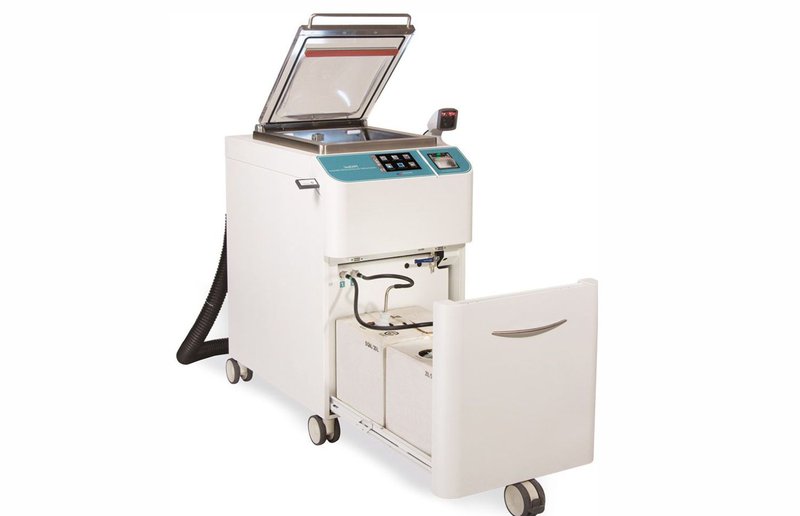
To build on these protocols, long-term hazard reduction requires a fundamental shift away from manual liquid handling. Facilities must evaluate their current equipment to identify vulnerabilities in chemical containment. Replacing open specimen containers with sealed processing units eliminates the primary vapor source.
Furthermore, collaborative safety committees give operating room nurses a voice in equipment selection. Clinical staff possess first-hand knowledge regarding the practical challenges of specimen management. Involving nurses in procurement decisions ensures that safety tools fit surgical workflows.
Health surveillance programs provide an essential safety net for exposed clinical workers. For instance, regular medical evaluations help detect early signs of cumulative chemical sensitization in nurses. Tracking respiratory function over time reveals subtle changes before severe illness develops.
Transforming Workplace Safety Culture
Transforming a clinical environment requires leadership commitment to advanced safety technologies. Hospital executives must allocate appropriate resources for purchasing enclosed specimen handling equipment. Financial investments in employee health reduce long-term liability and staff absenteeism.
Simultaneously, open communication channels encourage nursing staff to report exposure incidents without hesitation. Peer support networks help spread best practices for chemical safety across departments. When a team member identifies a vapor hazard, immediate resolution occurs.
Ultimately, continuous improvement strategies ensure that surgical departments adapt to evolving safety standards. Evaluating new research findings keeps hospital protocols aligned with modern toxicology insights. It is time to do better by implementing total containment solutions to prevent formalin exposure.
Advancing Occupational Health and Workplace Safety
Protecting healthcare professionals requires advanced technologies explicitly designed with clinician safety in mind. The automated dispenser design addresses these critical chemical vapor challenges directly. This innovative system eliminates manual pouring by automating fixative delivery within an enclosed chamber.
By capturing toxic vapors completely, Milestone Medical equipment protects nurses from dangerous ambient fumes. Implementing this technology helps operating rooms optimize safety without sacrificing daily clinical efficiency. Learn how UltraSAFE can protect your OR team by contacting our specialists today.
if(window.strchfSettings === undefined) window.strchfSettings = {};window.strchfSettings.stats = {url: “https://milestone-medical-technologies-inc.storychief.io/health-impacts-of-daily-formalin-exposure-for-operating-room-nurses?id=1308207433&type=2”,title: “Health Impacts of Daily Formalin Exposure for Operating Room Nurses”,siteId: “23596”,id: “”};(function(d, s, id) {var js, sjs = d.getElementsByTagName(s)[0];if (d.getElementById(id)) {window.strchf.update(); return;}js = d.createElement(s); js.id = id;js.src = “https://d37oebn0w9ir6a.cloudfront.net/scripts/v0/strchf.js”;js.async = true;sjs.parentNode.insertBefore(js, sjs);}(document, ‘script’, ‘storychief-jssdk’))