Modern clinical facilities prioritize employee health alongside accurate diagnostic outcomes for patients. Maximizing safety in the anatomic pathology laboratory requires a comprehensive approach to controlling airborne chemical hazards. Every medical institution should minimize exposure to volatile compounds to create a safer workplace.
Chemical management affects employee well-being while helping preserve the integrity of diagnostic tissue samples. Hazardous fumes can interfere with specimen quality, making controlled environments essential throughout tissue preparation. Laboratory professionals benefit from engineering controls that reduce exposure during routine workflows.
The Diverse Sources of Chemical Exposure
Routine diagnostic procedures release volatile organic compounds into the laboratory environment. Fixatives such as formalin produce hazardous vapors during specimen transfer and manual pouring. Laboratory personnel may encounter exposure during tissue examination, grossing, and processing.
Open reagent containers can also release chemical fumes during staining and dehydration procedures. Manual transfers between containers increase the risk of spills and inhalation. Clear operating procedures help reduce these risks while supporting a safer work environment.
According to federal regulations, the permissible exposure limit for formaldehyde is 0.75 parts per million as an 8-hour time-weighted average. Laboratories that exceed these limits may face regulatory penalties while increasing health risks for employees. Maintaining safe conditions requires routine monitoring and effective containment practices.
Engineering Controls and Improving Workplace Safety
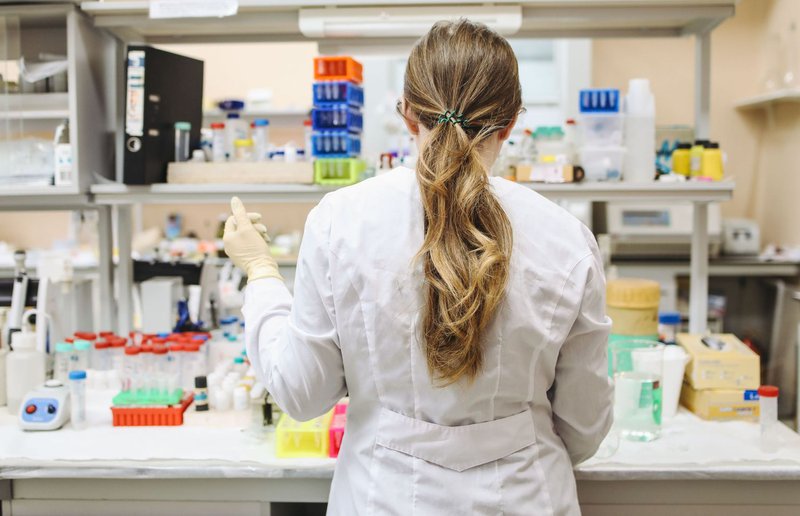
General ventilation alone may not capture chemical vapors where they are generated. Local exhaust ventilation removes fumes closer to the source, reducing technician exposure during routine procedures. These engineering controls help maintain lower airborne chemical concentrations throughout the workday.
Personal protective equipment provides another layer of protection against chemical splashes and accidental contact. Nitrile gloves, face shields, and other appropriate equipment help safeguard staff during specimen handling. Used together with ventilation systems, these measures create a stronger overall safety program.
An anatomic pathology laboratory also benefits from designated work areas for high-risk procedures. Performing specimen transfers and other chemical-intensive tasks in enclosed spaces limits exposure throughout the facility. Thoughtful workspace design supports both employee safety and consistent laboratory operations.
Workflow Standardization in the Anatomic Pathology Laboratory
Consistent procedures reduce the likelihood of mistakes that can lead to chemical spills or unnecessary exposure. Written handling protocols help ensure technicians follow the same safety practices during tissue preparation. Standardized workflows also limit the amount of time specimens remain exposed to the air.
Regular safety audits help identify areas where chemical handling processes can improve. Reviewing reagent usage allows laboratories to reduce unnecessary storage and better manage hazardous materials. Efficient inventory and fluid management can also lower waste disposal costs.
Well-planned laboratory layouts minimize the need to transport open containers between workstations. Organizing tasks into logical sequences reduces handling while supporting safer daily operations. A well-designed anatomic pathology laboratory helps limit chemical exposure through practical workflow planning.
Advanced Technology Supporting Safer Laboratories
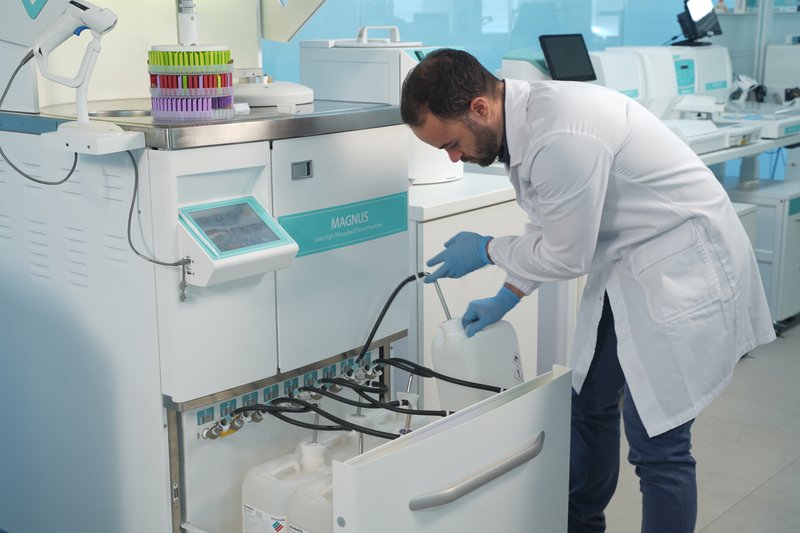
Automation reduces manual handling by performing fluid transfers within enclosed systems. These technologies isolate volatile reagents from the surrounding environment while improving processing consistency. As a result, laboratories can strengthen safety without slowing productivity.
Digital specimen management also reduces unnecessary handling of chemical-treated cassettes and containers. Barcode tracking maintains specimen identification and chain of custody throughout processing. These tools improve traceability while supporting more efficient laboratory workflows.
Studies have shown that automated tracking and standardized processing can reduce preanalytical errors. Automated tissue processing also helps maintain consistent specimen quality for accurate diagnosis. Investing in modern laboratory technology benefits both staff safety and diagnostic performance.
Strategic Methods for Monitoring Anatomic Pathology Laboratory Air
Routine environmental monitoring helps identify chemical exposure before it becomes a larger concern. Measuring airborne chemical levels verifies that ventilation systems continue operating effectively. Ongoing assessments remain an important part of maintaining a safe laboratory environment.
Monitoring protocols often include the following tools:
- Passive dosimeter badges worn by staff measure individual exposure during work shifts.
- Fixed wall sensors provide real-time alerts when chemical concentrations exceed safe levels.
- Periodic air sampling verifies the performance of local ventilation systems.
- Exposure records document long-term compliance with workplace safety requirements.
- Routine sensor calibration helps maintain accurate chemical detection.
These monitoring practices provide valuable data for evaluating workplace safety. Regular testing confirms that engineering controls continue protecting the anatomic pathology laboratory.
Actionable Strategies for Anatomic Pathology Laboratory Education
Comprehensive training helps laboratory personnel recognize chemical hazards and follow safe handling procedures. Well-informed teams are better prepared to manage hazardous reagents while reducing unnecessary exposure. Ongoing education reinforces safe habits across daily laboratory operations.
Effective training programs often include:
- Annual safety seminars covering current chemical handling regulations.
- Spill response drills that prepare staff for emergency situations.
- Hands-on instruction for proper personal protective equipment use.
- Safety data sheet reviews for commonly used laboratory chemicals.
- Peer-led safety committees that identify opportunities for workplace improvements.
Strong education programs encourage consistent adherence to established safety practices. Knowledgeable teams play an essential role in reducing chemical exposure across the laboratory.
Embracing Milestone Medical Innovation in the Anatomic Pathology Laboratory
Creating a safer laboratory environment often begins with technologies designed to reduce chemical exposure. Milestone Medical offers enclosed specimen handling and tissue processing solutions that help limit manual formalin contact during routine workflows. These systems support safer operations while helping laboratories maintain efficient diagnostic turnaround times.
Discover safer, faster biopsy processing with MAGNUS while helping protect your laboratory team. Automated reagent management systems promote consistency, reduce manual exposure, and support standardized workflows. Explore Milestone Medical's full portfolio of pathology solutions to strengthen safety throughout your facility.
if(window.strchfSettings === undefined) window.strchfSettings = {};window.strchfSettings.stats = {url: “https://milestone-medical-technologies-inc.storychief.io/reducing-chemical-exposure-in-anatomic-pathology-laboratories?id=1854312365&type=2”,title: “Reducing Chemical Exposure in Anatomic Pathology Laboratories”,siteId: “23596”,id: “”};(function(d, s, id) {var js, sjs = d.getElementsByTagName(s)[0];if (d.getElementById(id)) {window.strchf.update(); return;}js = d.createElement(s); js.id = id;js.src = “https://d37oebn0w9ir6a.cloudfront.net/scripts/v0/strchf.js”;js.async = true;sjs.parentNode.insertBefore(js, sjs);}(document, ‘script’, ‘storychief-jssdk’))