Continuous advancements in surgical pathology and clinical diagnostics necessitate an urgent reevaluation of safety standards in healthcare. Modern medical facilities must prioritize risk mitigation while maintaining the highest diagnostic accuracy across all departments. Elevating safety standards in healthcare pathways guarantees that medical professionals work within well-protected zones.
Simultaneously, these protocols directly safeguard laboratory technicians and operating room teams from everyday occupational hazards. Preventing harmful chemical exposure requires a comprehensive overhaul of traditional liquid chemical management. In this regard, adopting closed processing systems remains the most effective strategy for securing clinical workspaces.
Escalating Safety Risks in Clinical Workflows
Operating room personnel and diagnostic laboratory staff face severe chemical exposure risks during daily procedures. Formaldehyde remains a pervasive threat, yet traditional containment systems often fail to restrict volatile fumes. For example, a recent joint investigation highlighted that seventy percent of surveyed pathology laboratories regularly exceeded regulatory exposure limits, as documented in comprehensive laboratory health trends on ScienceDirect.
As a result, these troubling metrics show that manual handling of hazardous chemicals threatens long-term employee health. Inconsistent manual specimen handling practices further compound these operational dangers within busy hospital environments. Specifically, technicians frequently manage toxic fixatives in open containers, which causes unnecessary vapor dissemination.
This physical handling increases accidental spill potential, heightening dangerous inhalation risks for surrounding workers. Such unpredictable laboratory conditions prove that outdated, non-automated specimen management techniques are completely unacceptable. Inevitably, prolonged structural vulnerabilities lead to decreased laboratory efficiency, compromising safety standards in healthcare delivery.
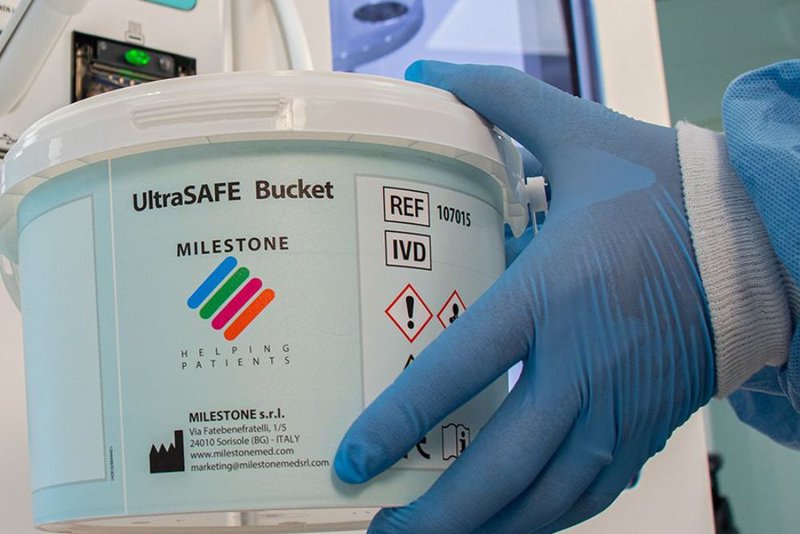
Imperative for Safety Standards in Healthcare Environments
Enforcing rigid protocols across clinical facilities significantly reduces accidental exposure while maintaining strict compliance. Undeniably, clear guidelines transform chaotic processing areas into organized, highly predictable zones of medical excellence. Consistently applying these safety standards in healthcare settings protects workers and minimizes human processing errors.
Regulatory alignment requires comprehensive training and systematic assessment of existing chemical handling methodologies. Standardized procedures guarantee that every surgical specimen receives identical, highly controlled fixative applications. This operational consistency eliminates diagnostic variations, ensuring that critical pathology results remain accurate.
Adopting uniform protocols helps medical directors successfully uphold the highest safety standards in healthcare. In addition to this, formalizing safety workflows establishes transparent accountability throughout the entire diagnostic pipeline. Department supervisors can easily identify operational friction points and correct improper chemical handling behaviors.
Technological Advancements Uplifting Laboratory Protection
Innovative automation tools are actively revolutionizing how modern medical institutions manage volatile chemicals. To illustrate, fully enclosed reagent handling networks eliminate manual pouring, which effectively sequesters hazardous chemical fumes. Integrating these automated systems allows facilities to easily maintain compliance with strict safety standards in healthcare.
According to a clinical methodology study published via SpringerLink, utilizing targeted microwaving energy inside closed laboratory hardware safely reduces tissue processing time. In fact, modern enclosed tissue processors leverage safe microwave technology to accelerate turnaround times safely. These automated processing advancements eliminate open-air chemical evaporation, protecting technicians from respiratory hazards.
Replacing old open-bench methods with smart machinery enhances safety standards in healthcare systems. Modern automated devices also incorporate advanced sensory monitoring to detect early chemical vapor leaks. Therefore, these proactive safety mechanisms alert management before airborne exposure levels breach established legal boundaries.
Formulating a Resilient Culture of Safety Standards in Healthcare
Establishing a permanent safety paradigm within clinical environments demands systematic operational overhauls alongside consistent personnel engagement. On this point, medical directors must move away from reactive solutions and focus on long-term preventative frameworks. Prioritizing employee health transforms high-risk laboratory environments into secure, fully compliant zones of scientific excellence.
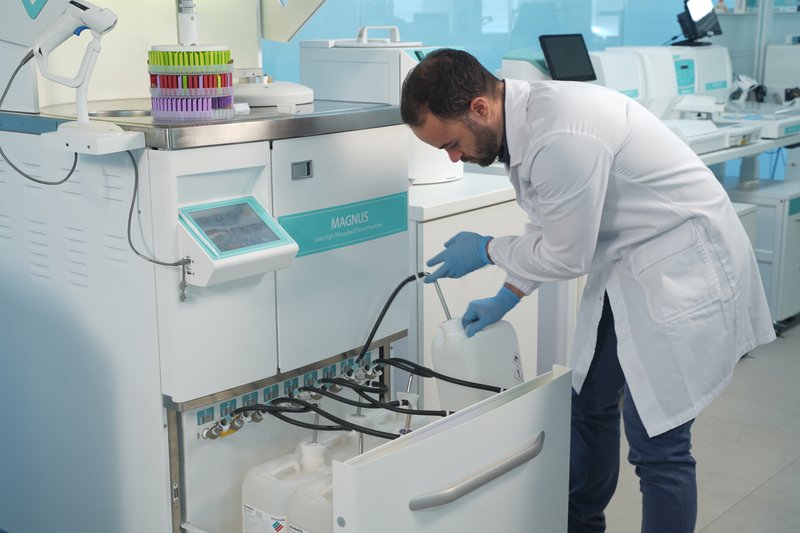
To achieve this objective, evaluating daily chemical workflows reveals crucial opportunities where clinical teams can minimize exposure hazards.
- Establish continuous training initiatives covering advanced spill response and chemical vaporization management.
- Conduct quarterly air quality audits to confirm compliance with international exposure regulations.
- Integrate ergonomically engineered workbenches to minimize physical strain during specimen trimming.
- Deploy sealed automated transportation carts to avoid chemical spills across hospital corridors.
- Select certified hardware solutions featuring closed-loop plumbing to isolate hazardous fixative fumes.
By adopting this unified mechanical approach, medical institutions can successfully strengthen safety standards in healthcare. Replacing obsolete manual tasks with verified technology ensures long-term operational resilience and superior worker health tracking.
Optimizing Safety Standards in Healthcare Diagnostic Chains
Maintaining a reliable chain of custody remains absolutely paramount for delivering accurate patient diagnoses. Fragmented tracking procedures during tissue transfer generate massive vulnerabilities within the diagnostic pipeline. Implementing electronic specimen tracking systems ensures total visibility from the operating suite forward.
To secure this critical phase, robust software integration must be paired alongside closed physical containment systems. Automated barcode tracking prevents specimen misidentification while monitoring ambient transport conditions in real-time. This meticulous oversight preserves tissue integrity, directly supporting subsequent molecular and histopathologic evaluations.
Eliminating lost or degraded samples significantly elevates safety standards in healthcare organizations. In the meantime, standardized tracking protects laboratory operators from the hazards of handling unverified biological materials. Knowing the precise origin and nature of every incoming specimen guides safe handling.
Achieving Sustainable Excellence in Pre-Analytical Diagnostics
Ultimately, upgrading to advanced clinical technologies comfortably reinforces modern safety standards in healthcare. Specialized closed specimen hardware guarantees total fluid containment during critical tissue preservation steps. Discover safer, faster biopsy processing with MAGNUS to achieve unparalleled laboratory productivity.
In conclusion, integrating reliable pre-analytical systems helps your institution strengthen safety standards in healthcare. These engineering breakthroughs allow progressive medical facilities to deliver rapid, highly accurate diagnoses. Explore the complete portfolio of advanced pathology solutions by visiting Milestone Medical.
if(window.strchfSettings === undefined) window.strchfSettings = {};window.strchfSettings.stats = {url: “https://milestone-medical-technologies-inc.storychief.io/raising-safety-standards-in-healthcare-laboratories-and-ors?id=2020622687&type=2”,title: “Raising Safety Standards in Healthcare Laboratories and ORs”,siteId: “23596”,id: “”};(function(d, s, id) {var js, sjs = d.getElementsByTagName(s)[0];if (d.getElementById(id)) {window.strchf.update(); return;}js = d.createElement(s); js.id = id;js.src = “https://d37oebn0w9ir6a.cloudfront.net/scripts/v0/strchf.js”;js.async = true;sjs.parentNode.insertBefore(js, sjs);}(document, ‘script’, ‘storychief-jssdk’))