Modern healthcare environments require operating room safety initiatives that connect distinct surgical spaces and diagnostic laboratories. Patient safety depends heavily on continuous communication channels from theaters to pathology. Efficient medical management subsequently requires unified protocols protecting tissue integrity during complex diagnostic containment.
Prioritizing unified interdepartmental collaboration helps clinical teams eliminate common tracking errors throughout the diagnostic process. On the other hand, hazardous chemical containment strategies must address toxic vapor vulnerabilities present during intraoperative staging. Healthcare workers face significant operational bottlenecks when diagnostic documentation workflows remain isolated and fragmented.
Mitigating Chemical Hazards in Operating Room Safety Initiatives
Surgical staff routinely utilize concentrated chemical fixatives like formalin during immediate specimen acquisition. Consequently, chronic exposure to toxic chemical fumes can induce severe respiratory irritation. The Occupational Safety and Health Administration mandates strict enforcement guidelines when handling solutions containing greater than 0.1 percent formaldehyde as outlined in their official hygiene protection interpretation guidelines.
Unprotected chemical pouring practices create unnecessary airborne vapor plumes inside crowded surgical suites. Therefore, implementing structured operating room safety initiatives remains necessary for minimizing dangerous liquid chemical handling. Standard closed containment systems keep dangerous fumes fully separated from open clinical working zones.
In addition to room ventilation, environmental control strategies must emphasize complete isolation of airborne irritants within critical zones. Surgical teams decrease operational vulnerability by utilizing enclosed liquid transport containers during preservation steps. In conclusion, eliminating chemical exposure events protects the clinical workforce while supporting overall regulatory compliance.
Overcoming Interdepartmental Communication Gaps
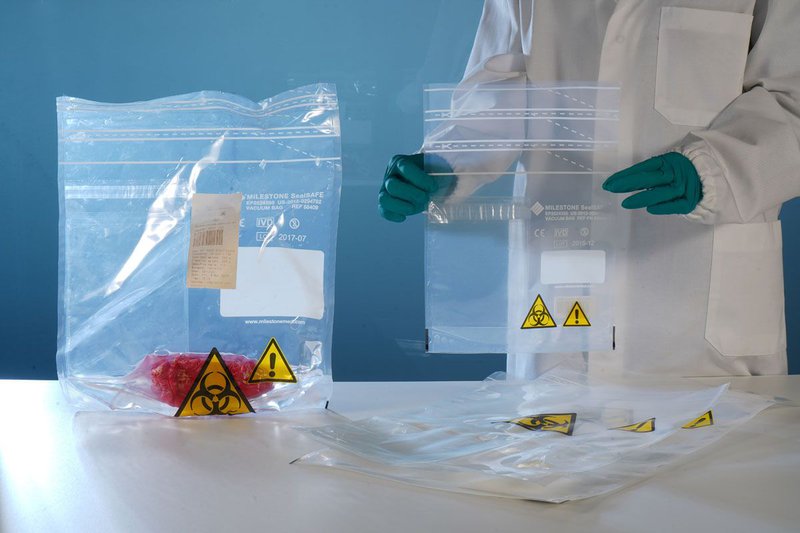
Misaligned communication channels between operating theaters and pathology centers introduce major operational risks. As a result, fragmented transport documentation frequently delays critical tissue evaluation timelines within frantic clinical spaces. Valuable diagnostic details become obscured when essential collection details are not recorded immediately.
Integrating comprehensive operating room safety initiatives helps clinical leaders standardize documentation transfer policies. For instance, shared digital reporting platforms allow pathology personnel to monitor pending tissue transfers instantly. Real-time workflow notifications reduce procedural uncertainty while strengthening absolute accountability between clinical teams.
Eliminating descriptive variations on specimen requisition forms prevents critical delays in final diagnosis. Structured digital order tracking platforms reduce reliance on variable verbal updates during handoffs. Undoubtedly, clear data transmission standards protect vulnerable clinical assets while maximizing collective diagnostic accuracy.
Enhancing Critical Specimen Integrity Through Operating Room Safety Initiatives
A peer-reviewed clinical study tracking specimen chain of custody indicates that preanalytical mismatches occur in approximately 4.3 cases per 1,000 surgical samples as outlined in research regarding surgical quality metrics indexed by PubMed. To eliminate these frequent errors, standard workflow optimization must dictate immediate specimen stabilization parameters. This rigorous data underscores the clinical need for establishing highly structured tissue preservation protocols.
The following criteria highlight the primary factors necessary for protecting tissue quality:
- Healthcare testing environments require pristine preservation conditions to prevent rapid tissue degradation.
- Inadequate fixative ratios directly compromise cellular structures and hinder accurate microscopic pathology interpretations.
- Utilizing automated tissue preparation systems ensures consistent chemical delivery and protects molecular integrity.
- Using standardized, enclosed preservation technology helps surgical departments eliminate variable manual measuring mistakes.
- Automated tracking systems provide constant temperature and time monitoring throughout transit corridors.
Protecting original cellular structures ensures that oncological testing remains highly precise and reliable. Ultimately, laboratories achieve faster diagnostic turnarounds when utilizing these advanced operating room safety initiatives.
Maximizing Workflow Efficiency and Traceability
Manual logging procedures increase individual operational burdens and introduce tracking inconsistencies across departments. Fragmented custody transitions create severe bottlenecks that delay crucial intraoperative diagnostic consults. Comprehensive digital logging tools ensure a verifiable chain of custody for every specimen.
Healthcare networks must implement specific technological upgrades to secure vulnerable tissue transport pathways:
- Automated electronic logging devices capture patient identification profiles directly at the surgical bedside.
- Continuous monitoring reduces processing delays and shortens overall patient lengths of stay significantly.
- Eliminating manual paper logging steps allows surgical nurses to focus more on direct patient care.
- Laboratories receive properly documented specimens that are completely ready for immediate automated processing.
- Reliable traceability platforms build significant organizational confidence while reinforcing strict international clinical standards.
It is time to do better by integrating modern tracking platforms into daily hospital routines. In summary, these electronic verification systems remain foundational for supporting comprehensive operating room safety initiatives.
Standardizing Cross-Department Education Frameworks
Continuous staff education programs bridge technical knowledge gaps separating operating theaters and pathology. For example, specialized training curriculums must emphasize proper chemical safety management alongside specimen handling guidelines. Healthcare professionals require clear instruction regarding modern tracking software and emergency containment protocols.
Simultaneously, joint training efforts reinforce core principles tied to ongoing operating room safety initiatives. Nursing professionals and laboratory technicians learn to resolve standard preanalytical challenges together productively. Interactive education programs clarify specific documentation requirements needed to prevent diagnostic processing delays.
Indeed, establishing formal compliance oversight teams ensures that standardized handling policies remain active daily. Regular cross-departmental safety audits help identifying potential process vulnerabilities before errors affect patients. To achieve this, shared performance metrics encourage continuous process refinement across independent hospital tracking paths.
Securing the Future of Specimen Management in Operating Room Safety Initiatives
Comprehensive operating room safety initiatives require technology systems that protect tissues from surgery through pathology. Accordingly, utilizing sealed automated distribution hardware allows facilities to minimize open chemical handling practices. Milestone Medical provides specialized pre-analytical technology designed to modernize cross-department safety workflows seamlessly.
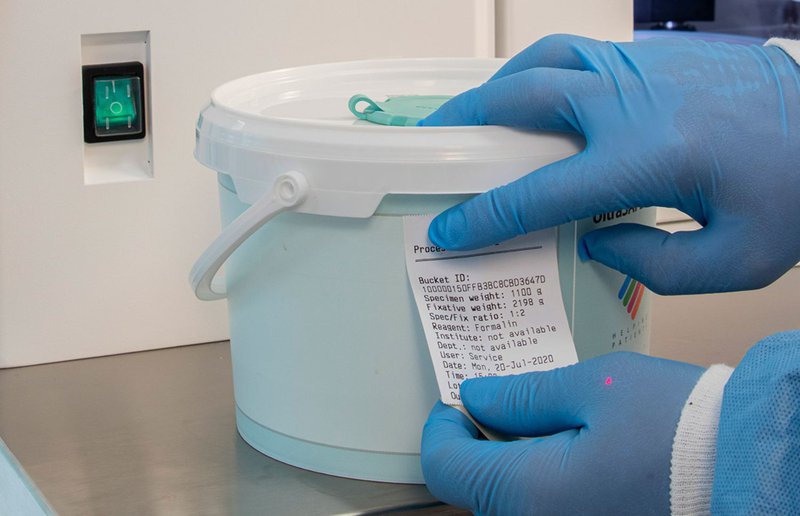
The UltraSAFE Automatic Formalin Dispenser eliminates personnel exposure by utilizing completely enclosed biospecimen containment. Beyond safety gains, this advanced system automates fixative dispensing to guarantee precise fluid ratios and perfect traceability. Learn how UltraSAFE can reinforce your operating room safety initiatives by visiting Milestone Medical today.
if(window.strchfSettings === undefined) window.strchfSettings = {};window.strchfSettings.stats = {url: “https://milestone-medical-technologies-inc.storychief.io/connecting-laboratory-and-operating-room-safety-initiatives?id=1490623106&type=2”,title: “Connecting Laboratory and Operating Room Safety Initiatives”,siteId: “23596”,id: “”};(function(d, s, id) {var js, sjs = d.getElementsByTagName(s)[0];if (d.getElementById(id)) {window.strchf.update(); return;}js = d.createElement(s); js.id = id;js.src = “https://d37oebn0w9ir6a.cloudfront.net/scripts/v0/strchf.js”;js.async = true;sjs.parentNode.insertBefore(js, sjs);}(document, ‘script’, ‘storychief-jssdk’))