Modern pathology laboratories must deliver fast, accurate diagnostic results to ensure excellent patient care. Efficient biopsy processing represents a critical milestone in establishing highly reliable clinical diagnostic schedules. Delayed specimen reporting can severely disrupt hospital care timelines and increase anxiety for anxious patients.
A chaotic workflow frequently hinders laboratory operations and compromises overall clinical testing efficiency. Therefore, implementing standardized laboratory procedures remains essential for maintaining excellent daily diagnostic productivity. Systematic improvements in pathology departments ultimately support better healthcare outcomes across diverse medical facilities.
Identifying Challenges in Biopsy Processing
Uneven daily specimen workflows frequently create significant operational bottlenecks within busy pathology laboratories. These unpredictable workloads make consistent biopsy processing difficult to sustain during peak testing hours. Consequently, laboratory technicians often face severe stress while managing shifting clinical diagnostic priorities.
According to a comprehensive study published in the American Journal of Clinical Pathology, manual workflow variations significantly increase error rates during specimen preparation ($AJCP$, 2020). Manual handling mistakes often compromise tissue quality and lead to costly diagnostic delays. On top of that, operational inconsistencies ultimately jeopardize patient safety and reduce trust in laboratory results.
Varying processing techniques between different shifts further exacerbate these common laboratory operational challenges. This structural variability often leads to unpredictable turnaround times for critical patient diagnoses. To counteract this, modern pathology laboratories require unified solutions to stabilize their daily diagnostic outputs.
Enhancing Workflow Coordination Through Standardization
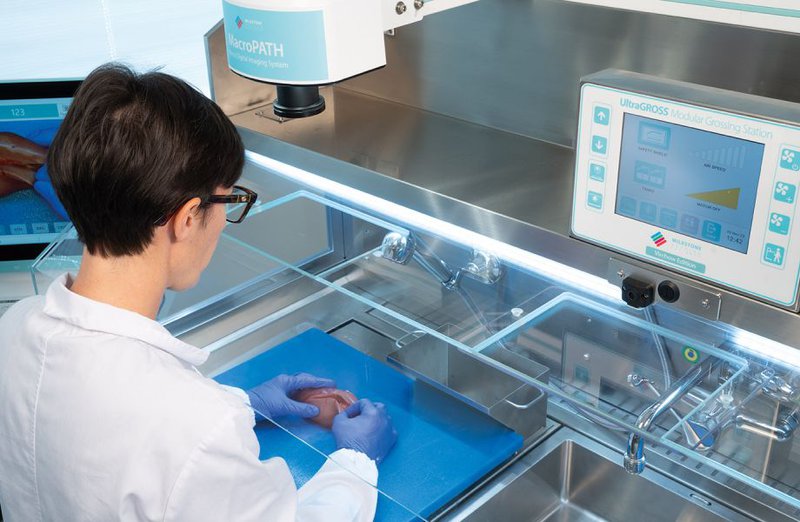
Standardized protocols establish clear operational guidelines that eliminate ambiguity throughout the laboratory workforce. As a result, uniform biopsy processing methods ensure that every tissue specimen receives identical treatment. This methodological consistency directly reduces the likelihood of procedural errors during preparation.
Enhanced coordination among laboratory teams significantly minimizes internal communication delays during daily operations. Structured processing schedules allow technicians to anticipate heavy workloads and manage resources effectively. In a similar manner, synchronized workflows create a seamless transition between various stages of tissue analysis.
Implementing standardized laboratory frameworks remarkably improves cross-departmental communication and collective operational confidence. Pathologists can confidently expect high quality tissue samples regardless of scheduling shifts. In the long run, these cohesive laboratory practices foster a reliable environment for critical medical decision making.
Overcoming Workflow Variations in Biopsy Processing
Uneven daily specimen workloads frequently create significant operational bottlenecks within busy pathology laboratories. These unpredictable workloads make consistent biopsy processing difficult to sustain during peak testing hours. For this reason, laboratory technicians often face severe stress while managing shifting clinical diagnostic priorities.
Establishing structured laboratory pathways successfully eliminates operational unpredictability within busy pathology departments:
- Streamlining tissue specimen logging procedures eliminates initial documentation delays during intake.
- Utilizing automated tracking technology ensures complete visibility throughout the entire processing cycle.
- Implementing uniform chemical reagent rotation schedules maintains optimal tissue preservation quality.
- Establishing clear prioritization criteria helps technicians manage urgent clinical biopsy samples.
- Standardizing staff training programs guarantees consistent technical performance across all shifts.
These strategic workflow changes ensure that vital tissue specimens move smoothly through diagnosis. Adopting organized protocols guarantees that biopsy processing yields predictable clinical turnaround times.
The Impact of Advanced Biopsy Processing Equipment
Modern automated processing equipment maintains highly consistent environment conditions for sensitive biological samples. Advanced tissue processors drastically reduce manual intervention, which minimizes human error during operations. Specifically, utilizing automated technology stabilizes biopsy processing timelines and enhances general diagnostic quality.
According to data compiled by Lab Manager Magazine, laboratories utilizing advanced automation experience much higher operational efficiency. Intelligent systems precisely control chemical reagent exposure times to safeguard delicate tissue structures. In light of this, meticulous level of automation protects valuable clinical specimens from accidental over-processing.
Investing in innovative laboratory equipment remains a vital step toward modernizing pathology workflows. Automated platforms allow laboratory staff to focus on critical quality control tasks. It is time to do better by adopting dependable systems that optimize diagnostic workflows.
Implementing Reliable Workflow Practices
Comprehensive staff training programs ensure that all technicians adhere to established laboratory protocols. Regular quality assurance audits help identify operational bottlenecks before they impact clinical timelines. In view of this, maintaining strict compliance with standardized guidelines preserves long term biopsy processing consistency.
Strategic workflow planning allows laboratories to distribute daily workloads evenly across multiple shifts. This balanced approach prevents equipment overloads and reduces physical fatigue among laboratory technicians. In addition to this, consistent operational practices support predictable turnaround times for every patient biopsy.
Continuous monitoring of processing metrics enables laboratory managers to optimize daily diagnostic throughput. Data driven adjustments quickly resolve subtle workflow variations within the pathology department. Ultimately, reliable operational practices build solid foundations for excellent clinical laboratory performance.
Minimizing Pre-Analytical Diagnostic Errors
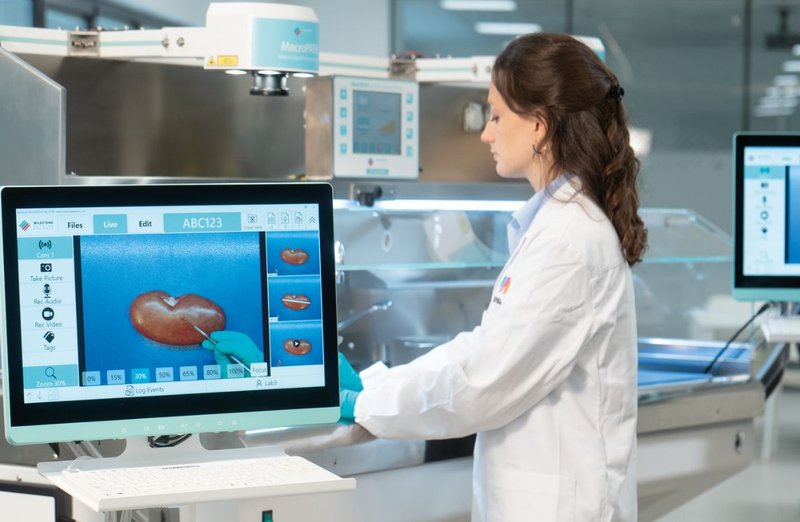
Meticulous attention to detail during initial tissue handling prevents irreversible degradation of clinical diagnostic structures. Standardizing chemical fixation parameters ensures that downstream molecular testing remains highly accurate and reproducible. On the other hand, uniform pre-analytical measures eliminate diagnostic ambiguities that can delay patient treatments.
Implementing systematic tracking mechanisms ensures full traceability for every single laboratory specimen:
- Utilizing standardized barcode labels prevents identification errors during specimen transfer processes.
- Recording exact chemical fixation times maintains excellent diagnostic clarity for pathologists.
- Monitoring ambient room temperatures protects sensitive biological samples from degradation.
- Automating reagent logging schedules guarantees maximum chemical purity for processing runs.
- Enforcing strict specimen container guidelines minimizes dangerous chemical contamination risks.
Pathology supervisors rely on these rigorous safeguards to maintain uniform laboratory quality. For example, consistent biopsy processing techniques dramatically reduce the necessity for costly repeat tests.
Advancing Pathology Excellence Through Automation
Pathology laboratories achieve predictable turnaround times by integrating dependable automation into daily workflows. Standardized biopsy processing platforms eliminate operational bottlenecks to ensure highly consistent diagnostic schedules. In conclusion, utilizing advanced technology enhances specimen safety while optimizing precious laboratory staff resources.
Milestone Medical provides innovative tissue processing platforms designed to support modern laboratory standardization. Their advanced systems deliver excellent workflow efficiency through precise automation and dependable performance. Discover how these high quality solutions can elevate your laboratory standards.
if(window.strchfSettings === undefined) window.strchfSettings = {};window.strchfSettings.stats = {url: “https://milestone-medical-technologies-inc.storychief.io/standardizing-biopsy-processing-for-predictable-turnaround-times?id=1547191959&type=2”,title: “Standardizing Biopsy Processing for Predictable Turnaround Times”,siteId: “23596”,id: “”};(function(d, s, id) {var js, sjs = d.getElementsByTagName(s)[0];if (d.getElementById(id)) {window.strchf.update(); return;}js = d.createElement(s); js.id = id;js.src = “https://d37oebn0w9ir6a.cloudfront.net/scripts/v0/strchf.js”;js.async = true;sjs.parentNode.insertBefore(js, sjs);}(document, ‘script’, ‘storychief-jssdk’))