Formalin exposure in the operating room presents significant hazards for staff, patients, and workflow efficiency. Ensuring formalin safety requires ongoing staff safety training alongside strict adherence to operating protocols. Awareness of potential hazards supports safer working conditions and reduces preventable occupational injuries.
Repeated formalin exposure may cause respiratory irritation, skin discomfort, and long-term health consequences. Recognizing hazards early helps teams implement protective measures and maintain consistent compliance. Furthermore, structured safety measures enhance staff protection while improving patient care outcomes.
Common Exposure Scenarios and Formalin Safety
OR personnel often encounter formalin safety risks during tissue handling, specimen transfer, or formalin filling. In particular, exposure occurs from accidental spills, open containers, or insufficient ventilation systems. Recognizing these scenarios allows teams to anticipate risks and implement safer workflows.
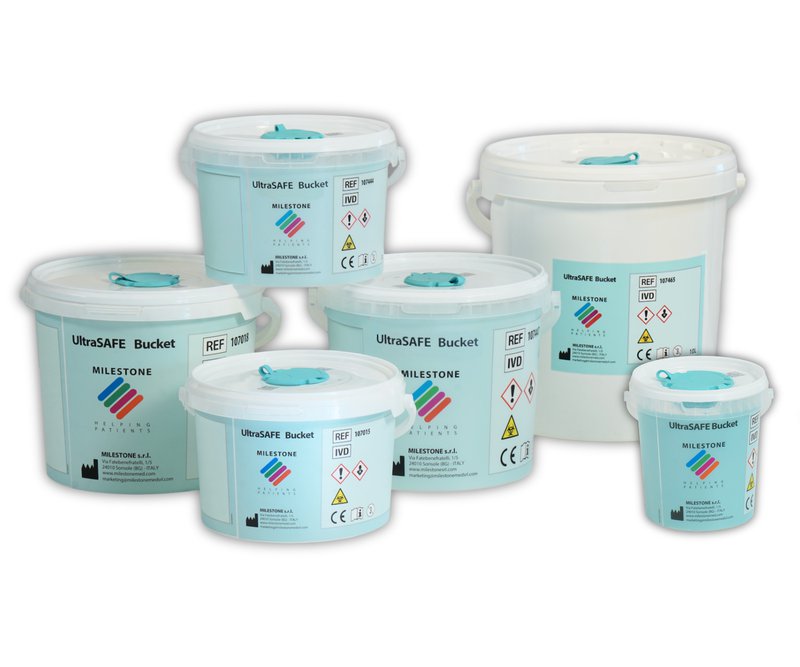
Frequent formalin safety exposure events include:
- Spills during specimen transfer releasing irritating formaldehyde vapors into the OR environment.
- Inhalation of fumes when containers are opened without proper ventilation controls.
- Skin contact from improper glove use during tissue handling or labeling procedures.
- Splashes to eyes or face caused by tipping containers or rapid movement.
- Contamination of surfaces increasing secondary exposure risk for other staff members.
Monitoring high-risk areas while enforcing protective measures improves formalin safety awareness. Research indicates that even low levels of formaldehyde irritate eyes, nose, and respiratory tract, emphasizing the need for staff safety training. Accordingly, understanding these common exposure scenarios forms the foundation for effective protective practices.
Staff Safety Training Essentials for Formalin Safety
Staff safety training equips nurses, safety officers, and OR managers with vital knowledge. Moreover, programs should cover hazard recognition, handling procedures, and emergency response techniques. Consequently, structured staff safety training strengthens confidence and competence in managing formalin risks.
Training emphasizes adherence to exposure guidelines and established safety standards. Simultaneously, understanding the hazards of formalin ensures proper personal protective equipment usage. Staff safety training fosters awareness of both acute irritation and long-term health effects.
Hands-on practice reinforces training, including spill response and decontamination techniques. Additionally, simulation exercises improve response speed while ensuring proper protective equipment utilization. Ultimately, comprehensive training reduces incidents and promotes consistent formalin safety practices.
Safe Handling Solutions to Improve Formalin Safety
Implementing safe handling solutions protects staff and enhances efficiency within operating room workflows. For example, engineering controls such as local exhaust ventilation significantly reduce airborne formaldehyde concentrations. Similarly, using closed-system containers helps minimize spills and prevents direct contact with hazardous chemicals.
Key safe handling measures include:
- Using automated systems to transfer specimens, limiting direct formalin exposure.
- Wearing gloves, goggles, and fluid-resistant gowns during all procedures.
- Installing ventilated hoods or fume cabinets to capture vapors at the source.
- Maintaining ventilation systems to ensure proper airflow and containment effectiveness.
- Following standard operating procedures for spill response and formalin disposal.
Engineering controls and ventilation systems can reduce airborne formaldehyde exposure by up to 99.6%. Therefore, implementing these measures enhances formalin safety and lowers occupational risk. Proper handling strategies remain essential for maintaining a safe and efficient OR environment.
Integrating Hazard Awareness Into Daily Practice
Embedding formalin safety into daily workflows strengthens overall risk management and compliance. Using checklists, team huddles, and reminders ensures consistent adherence to protocols. Encouraging reporting of unsafe conditions fosters a culture of continuous improvement among staff.
Leadership reinforces hazard awareness through supervision and active modeling of best practices. Likewise, open communication ensures near misses are reported promptly and addressed effectively. Teams taking shared responsibility improve adherence to formalin safety practices consistently.
Routine evaluation of safety measures allows updates for evolving workflows and new equipment. Staff feedback identifies gaps and informs additional staff safety training sessions efficiently. Ultimately, continuous improvement ensures formalin safety is fully integrated into OR operations.
Best Practices for Immediate Response and Mitigation
Staff must respond quickly to reduce exposure when chemical incidents occur in the OR. For example, immediate actions include evacuating areas, notifying safety officers, and containing spills. Prompt intervention minimizes health risks while ensuring personnel remain safe and coordinated.
Proper decontamination includes removing contaminated clothing and thoroughly flushing eyes or skin with water. Additionally, familiarity with these steps and conducting regular drills improves staff response confidence. Clear role assignments guarantee rapid and effective mitigation of hazardous situations for everyone.
Simulations and emergency exercises reinforce procedural memory for handling unexpected chemical exposure events. Moreover, practicing these scenarios enhances situational awareness and overall team readiness. Structured exercises ensure OR personnel remain prepared, confident, and capable during emergencies.
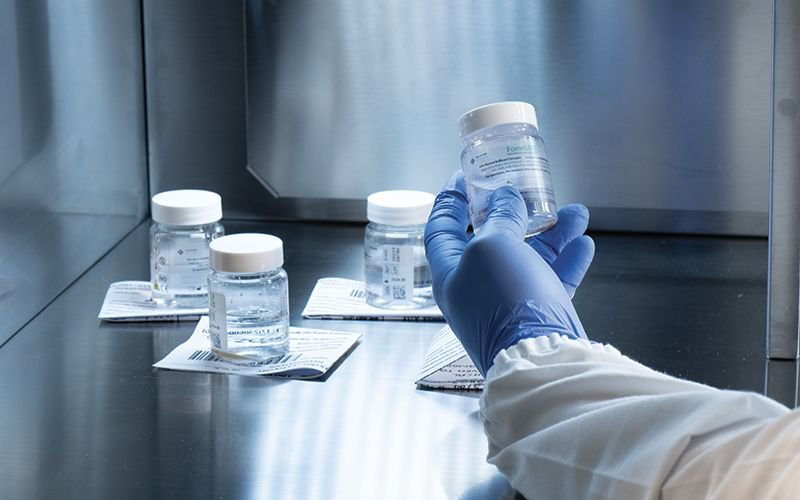
A Culture of Formalin Safety and Continuous Improvement
Developing a culture of safety requires education, transparency, and consistent procedural excellence. Simultaneously, recognition of improvements motivates staff and strengthens adherence to established practices. Data-driven feedback guides ongoing enhancements and prevents potential incidents efficiently throughout the organization.
Involving frontline staff in policy review encourages accountability and ownership across all teams. Likewise, collaborative committees update procedures based on observed incidents or near misses regularly. Consequently, leadership modeling proper safety behavior reinforces positive organizational culture and professional standards.
Routine risk assessments and protocol updates maintain alignment with evolving operational and clinical environments. Furthermore, continuous improvement safeguards staff and patient health while reducing chemical exposure effectively. Embedding these practices ensures long-term commitment to comprehensive safety and operational excellence.
Protecting OR Teams Through Formalin Safety
Ensuring formalin safety and staff safety training prevents occupational exposure and supports safer OR operations. Therefore, awareness, education, and adherence to procedures reduce both acute and long-term health risks. Proactive measures foster safer practices and strengthen confidence among OR personnel.
At Milestone Medical, formalin hazard mitigation integrates advanced equipment and automated handling solutions. Emphasizing formalin safety and ongoing staff safety training enhances protection and workflow efficiency. Get in touch with us today and learn how UltraSAFE can safeguard OR teams and ensure compliance.
if(window.strchfSettings === undefined) window.strchfSettings = {};window.strchfSettings.stats = {url: “https://milestone-medical-technologies-inc.storychief.io/improving-awareness-of-formalin-hazards-in-the-operating-room?id=618597346&type=2”,title: “Improving Awareness of Formalin Hazards in the Operating Room”,siteId: “23596”,id: “”};(function(d, s, id) {var js, sjs = d.getElementsByTagName(s)[0];if (d.getElementById(id)) {window.strchf.update(); return;}js = d.createElement(s); js.id = id;js.src = “https://d37oebn0w9ir6a.cloudfront.net/scripts/v0/strchf.js”;js.async = true;sjs.parentNode.insertBefore(js, sjs);}(document, ‘script’, ‘storychief-jssdk’))