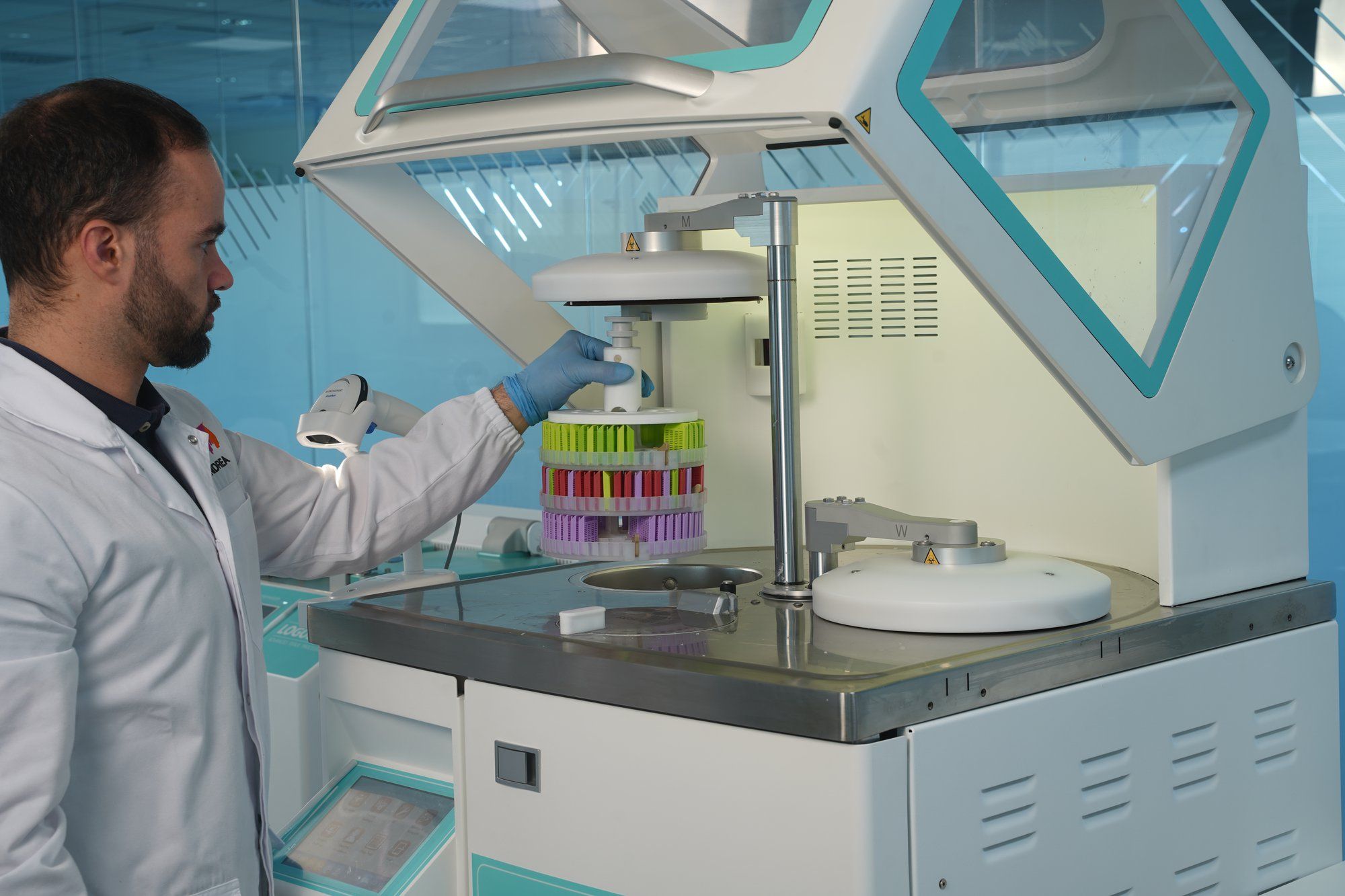
Improving Biopsy Processing Without Compromising Quality
Reliable biopsy processing balances speed with accurate tissue evaluation for clinicians. Failure to uphold quality in specimen handling disrupts diagnostic workflows and delays patient care. Laboratories must adopt deliberate strategies to reinforce specimen handling best‑practices without sacrificing efficiency.
Inadequate workflows can compromise tissue morphology and stain quality, lowering overall diagnostic confidence. Skilled teams using robust protocols reduce variability and maintain consistency across all specimens and cases. Early emphasis on quality prevents costly errors and supports accurate results in the diagnostic continuum.
Identifying Risks in Biopsy Processing
Pre‑analytical errors are the most frequent source of mistakes, occurring before analysis begins. Lost, mislabeled, or mishandled specimens are major contributors to these errors, as demonstrated in research showing that structured interventions significantly reduce pre‑analytical mistakes. Applying correct specimen handling best‑practices protects tissue integrity and ensures accurate diagnostic results.

Mislabeling and lost specimens constitute the majority of pre‑analytic workflow issues. Incomplete requisitions further increase the likelihood of flawed biopsy processing decisions and sample mismanagement. Laboratory teams must prioritize accuracy from collection through accessioning to prevent pre-analytical errors.
Delays in fixation can degrade tissue quality, reducing both staining clarity and morphology interpretation. Variability in pre‑processing handling negatively affects diagnostic outcomes and slide reliability. Tracking these risks enables laboratories to refine workflows and protect specimen integrity consistently.
Establishing Standard Protocols for Biopsy Processing
Standardized protocols ensure repeatable workflows for all laboratory staff. Controlling fixation timing, cold ischemia, and proper documentation preserves tissue quality. Adherence maintains high-quality biopsy processing and protects both molecular and morphological integrity, as shown in research on pre‑analytical best practices in molecular analyses.
Formal protocols clearly define each step from specimen receipt through processing initiation consistently. Teams following these standards achieve predictable outcomes and reliable results across all biopsy types. Periodic reviews allow workflows to adapt effectively to evolving best practices and laboratory needs.
Routine audits identify workflow inefficiencies before they can negatively affect patient care quality. Data collected from quality checks enables targeted process refinement and measurable performance improvement. Clear communication ensures staff behavior consistently aligns with expectations and established quality goals.
Techniques to Shield Tissue Integrity During Biopsy Processing
Protecting tissue integrity requires careful organization and controlled handling throughout all laboratory processes. Rapid specimen logging combined with timely processing helps prevent degradation and preserves morphological fidelity. Prioritizing urgent cases while maintaining high quality supports consistent results during high-volume periods.
Key workflow techniques enhance tissue integrity and support accurate biopsy processing:
Important techniques include:
- Log specimens immediately upon receipt to minimize idle time before processing.
- Separate urgent and routine biopsies to maintain consistent handling quality.
- Monitor fixation timing closely to prevent cellular degradation.
- Assign clear workflow lanes to reduce bottlenecks and maintain order.
- Track performance metrics to identify inefficiencies and refine processes.
Structured techniques ensure specimens remain intact and reliable for diagnostic analysis. Teams following these practices maintain quality even under heavy workload conditions. Consistent application reinforces specimen handling best‑practices and reduces potential errors.
Five Best Practices for Specimen Handling
Focused best practices enhance laboratory efficiency while preserving tissue quality across all biopsy processing cases. Each procedural step reduces errors and supports consistent, reproducible laboratory workflows for every sample. Laboratories applying these practices consistently achieve more reliable and accurate diagnostic outcomes overall.
The following key practices support safe and effective tissue handling:
Specimen handling best practices include:
- Always verify patient identifiers and anatomical details on each sample container.
- Place specimens in approved fixatives immediately after collection without delay.
- Use leak‑proof, appropriately sized containers for all biopsy tissues.
- Record fixation start and transfer times to maintain accurate logs.
- Maintain clear communication between collection and processing teams.
Routine application prevents avoidable errors and supports consistent results. Adherence improves efficiency without sacrificing quality. Emphasizing specimen handling best‑practices ensures tissue integrity and reproducibility.
Advanced Biopsy Processing and Quality Outcomes
Automated tissue processors therefore enhance workflow consistency and reproducibility across all samples. Consequently, automation reduces manual timing variability while minimizing human error during processing. Additionally, systems with programmed protocols support accurate dehydration, infiltration, and paraffin embedding for slides.
Closed-system processors manage reagents under controlled conditions to ensure uniform outcomes consistently. As a result, this control prevents under- or over-processing that may distort tissue morphology. Moreover, consistent processing improves slide clarity while supporting pathologist interpretation effectively.
High-volume processing increases lab throughput while simultaneously allowing staff to focus on analysis. Furthermore, automation improves efficiency without compromising quality or accuracy in biopsy processing. Therefore, advanced tissue processors help laboratories meet throughput demands safely and reliably.

Training, Competence, and Continuous Improvement
Staff competence directly affects how laboratory workflows consistently translate into high-quality results. Targeted training strengthens technical skills in tissue handling and specimen handling best‑practices effectively. Well-trained teams make fewer errors and respond promptly to unexpected workflow challenges.
Competency assessments reveal knowledge gaps while highlighting opportunities for targeted staff development. Collaborative learning encourages team members to share insights that improve overall laboratory performance. Feedback loops allow teams to refine techniques and maintain consistent workflow standards continuously.
Continuous education reinforces adherence to protocols, even during periods of high sample volumes. Ongoing learning sustains laboratory quality while reducing errors across multiple processing steps. Training ensures biopsy processing remains accurate, efficient, and reliable at every stage of handling.
Advancing Quality Without Sacrifice
Efficient biopsy processing must maintain diagnostic integrity while simultaneously adapting to increasing sample demands. Moreover, strong workflows, standardized protocols, and advanced tools contribute to improved laboratory performance. Emphasis on specimen handling best‑practices consequently ensures better outcomes for patients and clinicians.
At Milestone Medical, advanced tissue processors improve throughput while maintaining tissue integrity. Additionally, these solutions are designed for safety, consistency, and efficiency to elevate lab practices. Learn more about enhancing biopsy workflows and specimen quality. Contact us today.