Laboratories frequently encounter challenges when specimen handling protocols differ between departments or locations, causing workflow inefficiencies. Consequently, inconsistent procedures can confuse staff and increase operational risks unknowingly. Therefore, addressing variability is essential to maintain both specimen quality and diagnostic accuracy.
Furthermore, differences in protocols affect chemical exposure mitigation and formalin safety practices. Without clear standards, teams may interpret safety measures differently, increasing potential hazards. Ultimately, consistent approaches ensure better outcomes for staff, specimens, and laboratory operations.
Why Inconsistency Raises Laboratory Risks
In addition, inconsistent procedures compromise both specimen integrity and diagnostic reliability. When labeling, storage, and transfer steps vary, sample quality may degrade, affecting results significantly. Accordingly, laboratories benefit when uniform workflows are applied across teams and facilities.
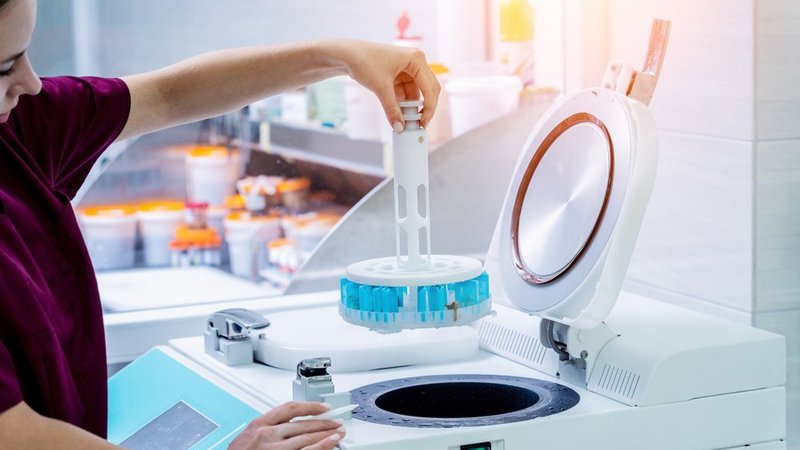
Safety risks increase when hazardous chemicals, such as formaldehyde, are handled inconsistently. Research in the Annals of Work Exposures and Health shows airborne formaldehyde often exceeds occupational limits during routine grossing. Targeted strategies revised procedures, improved lab layouts, and engineering controls effectively reduce staff exposure.
Moreover, mislabeling and tracking errors become more frequent without standard protocols. As a result, mismanagement can lead to incorrect diagnoses or repeated testing, which burdens staff and resources. Therefore, clear, standardized procedures help prevent these costly errors while supporting compliance and chemical exposure mitigation.
Benefits of Specimen Handling Protocols
Implementing standardized specimen handling protocols strengthens traceability across pre-analytical workflows. Uniform documentation and accessioning checks ensure accurate tracking from collection to analysis. Research in preanalytical quality control shows that standardizing specimen management reduced errors from 24.82% to 2.40% and halved submission delays.
Additionally, efficiency improves because personnel can follow consistent processes across departments. Consequently, new staff quickly gain confidence in completing procedures correctly. Moreover, shared expectations enhance diagnostic reliability, workflow efficiency, and formalin safety adherence.
Finally, standardization reinforces chemical exposure mitigation and formalin safety practices. OSHA reports that proper exposure controls significantly limit staff contact with hazardous reagents. Therefore, safety remains a priority while workflow consistency improves.
Implementing Specimen Handling Protocols for Safety
Laboratories should develop clear, written procedures as the foundation for standardized workflows. Simultaneously, leadership must collaborate with technical teams to define steps meeting both regulatory and chemical exposure mitigation standards. Consequently, documentation must remain accessible and updated regularly to reflect best practices.
Next, comprehensive training ensures employees understand both procedural steps and underlying safety rationale. Training should emphasize formalin safety practices, chemical exposure mitigation, and correct equipment use. Similarly, periodic competency assessments identify gaps and reinforce expectations effectively.
Formal oversight, including audits and feedback loops, strengthens adherence across teams. Supervisors can monitor compliance and refine procedures as necessary. Therefore, continuous improvement fosters a culture prioritizing both formalin safety and quality.
Critical Elements of Effective Laboratory Protocols
Uniform procedures require actionable, detailed steps that guide all team members efficiently. Standardized specimen handling protocols ensure samples are received, labeled, and processed consistently. Consequently, protocols also help meet accreditation and regulatory requirements without ambiguity.
Key elements every laboratory should include:
- Accessioning procedures with unique identifiers for every specimen.
- Clear labeling and handling instructions specific to specimen type.
- Reception checks for container integrity and transport conditions.
- Guidelines for safe transfer to processing areas.
- Steps to minimize chemical exposure risks during handling.
In turn, implementing these elements reduces human error and improves workflow efficiency. Therefore, laboratories following uniform procedures enhance both compliance and operational reliability. As a result, structured protocols strengthen safety, formalin safety, and chemical exposure mitigation across facilities.
Supporting Chemical Exposure Mitigation
Moreover, specimen handling protocols must prioritize minimizing chemical exposure. Protective equipment such as gloves, face shields, and lab coats should be worn when handling formalin-containing specimens. Additionally, personnel must understand correct donning and removal procedures to reduce contact and inhalation hazards, supporting formalin safety.
Engineering controls, including proper ventilation and dedicated workstations, help limit airborne exposure. Likewise, administrative controls should sequence tasks strategically to reduce overall staff contact. Written spill and emergency plans prepare teams for unexpected exposure incidents effectively, reinforcing chemical exposure mitigation measures.
Documentation of exposure incidents enables laboratories to monitor trends and improve mitigation strategies. Consequently, reviewing near misses and exposure patterns allows teams to refine protocols continuously. Ultimately, these efforts maintain a safer workplace while supporting compliance, formalin safety, and chemical exposure mitigation.
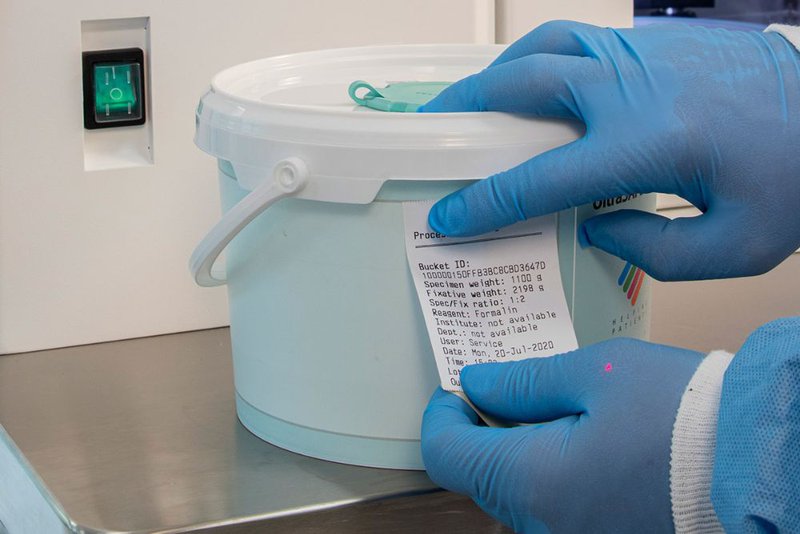
Technology Enhances Specimen Handling Protocols and Workflow Consistency
Furthermore, technology plays a critical role in ensuring adherence to specimen handling protocols. Automated tracking systems improve sample traceability and can flag deviations before errors occur. Similarly, centralized laboratory information systems support coordination between multiple departments or sites.
Specialized grossing and imaging stations standardize tissue preparation across facilities. When laboratories deploy consistent hardware and software, procedural variability naturally decreases. Additionally, digital records support audit readiness and regulatory compliance effectively.
Shared platforms allow teams to monitor specimen status in real time. Consequently, laboratories maintain high-quality standards and reduce the risk of human error. Ultimately, technology strengthens workflow consistency and supports formalin safety as well as chemical exposure mitigation.
Strengthening Laboratory Practices for Safer Outcomes
Standardized specimen handling protocols improve operational efficiency, diagnostic consistency, and laboratory safety. Moreover, implementing uniform procedures reduces chemical exposure risks and protects both staff and specimens. Facilities adopting structured protocols build stronger operational foundations and enhance confidence across teams.
Effective specimen handling requires systems that support formalin safety and chemical exposure mitigation. Standardized workflows also enhance traceability, ensuring consistent quality across multiple departments or locations. Learn how laboratories can implement safer, consistent protocols by exploring practical solutions at Milestone Medical.
if(window.strchfSettings === undefined) window.strchfSettings = {};window.strchfSettings.stats = {url: “https://milestone-medical-technologies-inc.storychief.io/standardizing-specimen-handling-protocols-across-facilities?id=229108635&type=2”,title: “Standardizing Specimen Handling Protocols Across Facilities”,siteId: “23596”,id: “”};(function(d, s, id) {var js, sjs = d.getElementsByTagName(s)[0];if (d.getElementById(id)) {window.strchf.update(); return;}js = d.createElement(s); js.id = id;js.src = “https://d37oebn0w9ir6a.cloudfront.net/scripts/v0/strchf.js”;js.async = true;sjs.parentNode.insertBefore(js, sjs);}(document, ‘script’, ‘storychief-jssdk’))