Surgical environments demand meticulous attention to safety protocols to shield clinical personnel from occupational hazards. Prioritizing formalin spill prevention safeguards healthcare providers from toxic fumes during intense daily operative routines. Medical teams frequently handle concentrated fixatives while preparing delicate tissue specimens for subsequent pathology analysis.
Consequently, uncontrolled chemical leaks and fume escape compromise indoor air quality and endanger everyone inside modern operating theaters. Effective formalin spill prevention strategies maintain clinical workflow continuity and preserve valuable diagnostic samples. For this reason, healthcare facilities must adopt rigorous liquid containment standards to optimize overall institutional safety benchmarks.
Common Causes Impeding Fixative Safety
First and foremost, manual liquid dispensing frequently leads to underfilling or overfilling specimen containers in frantic surgical environments. In addition, moving open specimen containers across busy corridors increases the likelihood of hazardous fluid spills or drops. Laboratory and OR personnel also often struggle with loose container lids that fail during rapid transit.
In addition to transport issues, inconsistent and non-standardized handling procedures across different surgical shifts undermine established safety protocols. Staff members occasionally lack standardized equipment designed to minimize direct human contact with fixatives. For example, busy operating rooms require specialized containment solutions to eliminate routine manual pouring mistakes.
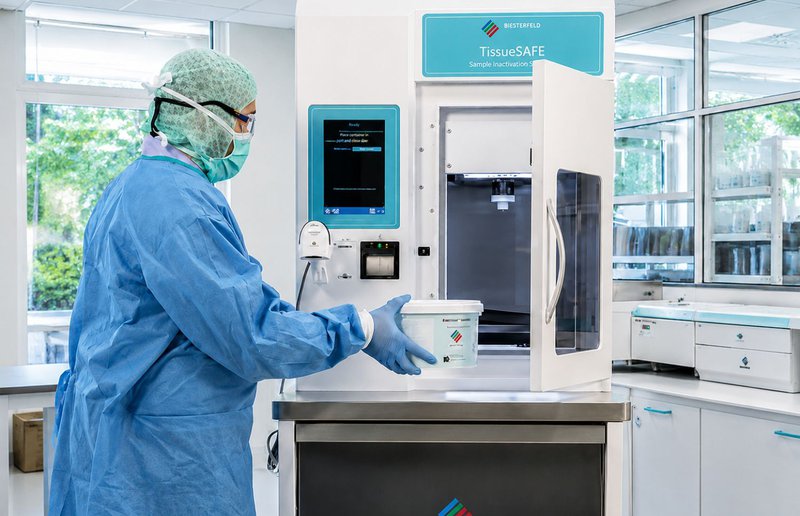
Ultimately, preanalytical errors often stem from outdated manual chemical processing methods during initial specimen capture phases. Dropping fragile containers onto hard operating room floors invariably causes immediate chemical dispersion. To counter this problem, implementing structured container validation processes significantly enhances long-term fluid containment safety success rates.
Consequences of Poor Chemical Containment
As a direct result, liquid fixative leaks instantly release hazardous vapors that irritate nearby clinicians. Chronic exposure to formaldehyde fumes poses severe long-term health risks for dedicated laboratory specialists. Furthermore, institutional compliance penalties rapidly escalate when administrative teams ignore documented chemical exposure events.
To make matters worse, spills disrupt critical surgical schedules and delay urgent diagnostic reporting for patients. Valuable tissue biopsy samples suffer catastrophic degradation when protective fluid levels drop unexpectedly. Indeed, decontaminating affected operative suites requires substantial time and expensive specialized hazardous material resources.
According to a rigorous study published by the National Institute for Occupational Safety and Health (NIOSH), airborne fixative thresholds must remain strictly limited. On account of these findings, failing to manage liquid hazards properly undermines institutional safety records. Robust protective handling protocols effectively mitigate these highly complex operational, financial, and medical risks.
Enclosed Technology and Formalin Spill Prevention
In response to these vulnerabilities, modern healthcare facilities increasingly rely on automated closed systems. Enclosed dispensing devices completely eliminate the dangerous need for manual chemical transfer procedures. On top of that, integrating specialized secure specimen containers ensures tightly sealed specimen containers during transportation.
By extension, standardized and automated workflows reduce human intervention and lower the probability of accidental fluid leaks. Advanced engineering controls isolate volatile chemicals, which directly reduces ambient workplace vapor levels. Therefore, medical facilities achieve superior safety ratings by upgrading to modern automated dispensing technology.
In another sense, innovative containment systems provide precise fluid measurements while maintaining complete physical isolation. Protective secondary enclosures prevent external environmental contamination if primary storage bottles experience structural failure. Looking at the big picture, prioritizing formalin spill prevention through technological integration guarantees safer workflows.
Strengthening Institutional Formalin Spill Prevention Programs
Establishing robust safety protocols within complex hospital departments requires continuous administrative oversight. Well-trained healthcare teams remain better prepared to recognize potential preanalytical workflow vulnerabilities early. Comprehensive educational programming builds institutional resilience and elevates perioperative medical care standards.
The following core components represent effective strategies for upgrading institutional safety readiness:
- Comprehensive training initiatives educate clinical staff on advanced chemical containment protocols.
- Regular mock drills prepare surgical teams for rapid, efficient hazardous material containment.
- Scheduled preventive maintenance protects specialized automated dispensing machinery from unexpected mechanical failures.
- Clear instructional signage reinforces daily safety compliance across diverse multi-disciplinary hospital departments.
- Routine environmental monitoring validates the long-term effectiveness of installed vapor control systems.
Consistently executing proactive safety measures ensures minimal disruption during critical daily operative schedules. Prioritizing consistent employee education ultimately ensures that formalin spill prevention becomes effortless.
Optimizing Laboratory and Operating Room Safety Practices
On the other hand, minimizing occupational health hazards requires close collaboration among clinical teams. Standardizing daily containment habits across distinct departments effectively prevents common technical mistakes during high-stress windows. To achieve this objective, dedicated medical professionals benefit significantly from clear, actionable structural guidelines.
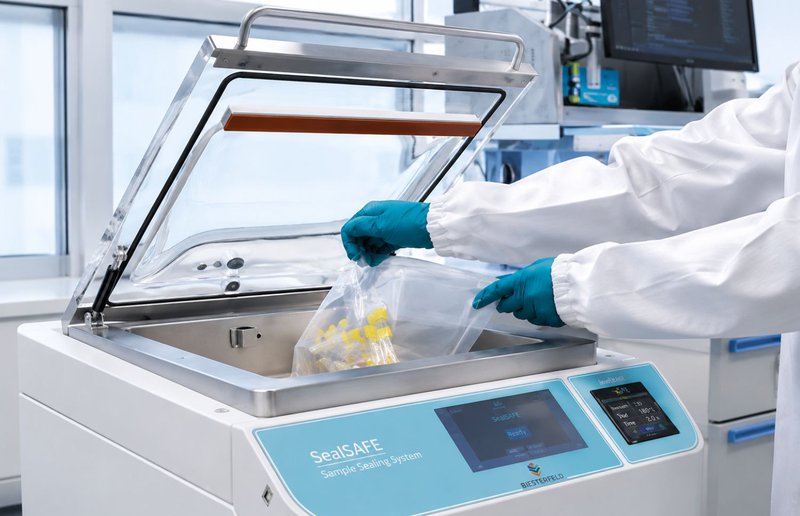
Implementing these structural enhancements reduces the likelihood of encountering dangerous chemical fumes:
- Standardizing specimen transfer logs ensures complete chain of custody documentation for surgical specimens.
- Utilizing dedicated transport carts minimizes manual carrying risks through busy hospital hallways.
- Implementing color-coded biohazard bins streamlines waste segregation and disposal procedures for staff.
- Installing fully enclosed systems near specimen preparation tables actively removes dangerous residual vapors.
- Conducting periodic workplace safety audits identifies hidden vulnerabilities before actual accidents happen.
Cooperation between distinct medical departments ensures seamless specimen handling transitions during procedures. Properly maintaining exceptional cleanliness standards effectively reinforces crucial corporate fluid handling safety guidelines.
Transforming Preanalytical Workflows With Automated Technology
Superior preanalytical safety depends heavily on specialized technologies engineered to eliminate manual handling errors completely. Advanced automated fixative containment systems help modern healthcare facilities optimize clinical asset preservation strategies effortlessly. Implementing smart design solutions successfully minimizes chemical exposure risks while standardizing delicate specimen preservation routines.
In view of these clear advantages, integrated systems help busy clinics maintain strict regulatory compliance. Protecting dedicated laboratory staff and invaluable patient tissue specimens remains a core operational priority. Upgrading to automated hardware ensures long-term reliability during high-volume sample processing phases.
Modern containment devices accurately measure required fixative volumes without releasing hazardous ambient vapors. Eliminating manual pouring steps directly reduces accidental fluid splashing across processing areas. Ultimately, specialized technological integration guarantees exceptional safety standards across diverse clinical environments.
Institutional Formalin Spill Prevention Standards
It is time to do better by upgrading obsolete manual chemical processing methods. Adopting advanced formalin spill prevention technology reflects a profound institutional commitment to healthcare provider welfare. Implementing specialized automatic fluid dispenser hardware effectively minimizes dangerous chemical exposure risks across clinics.
Milestone Medical solutions standardize specimen handling through controlled containment to optimize formalin spill prevention success. By supporting safer workflows, these advanced systems help diverse healthcare organizations improve strict regulatory compliance. Discover how these modern clinical tools protect vulnerable personnel and preserve precious biopsy tissue specimens.
if(window.strchfSettings === undefined) window.strchfSettings = {};window.strchfSettings.stats = {url: “https://milestone-medical-technologies-inc.storychief.io/why-formalin-spill-prevention-matters-in-surgical-settings?id=1829802242&type=2”,title: “Why Formalin Spill Prevention Matters in Surgical Settings”,siteId: “23596”,id: “”};(function(d, s, id) {var js, sjs = d.getElementsByTagName(s)[0];if (d.getElementById(id)) {window.strchf.update(); return;}js = d.createElement(s); js.id = id;js.src = “https://d37oebn0w9ir6a.cloudfront.net/scripts/v0/strchf.js”;js.async = true;sjs.parentNode.insertBefore(js, sjs);}(document, ‘script’, ‘storychief-jssdk’))