Staff safety protocols play a crucial role in protecting personnel across surgical and pathology workflows. Teams handling high-risk specimens encounter chemical, biological, and ergonomic hazards every day. Strengthening these procedures enhances specimen management safety and supports accurate diagnostic decision-making consistently.
Implementing structured safety measures also reduces errors while safeguarding both staff and patient wellbeing. Similarly, coordinated workflows help prevent mishandling and improve laboratory efficiency during specimen processing. Ultimately, prioritizing protection fosters better outcomes, higher staff confidence, and workplace satisfaction across departments.
Safety Risks in Specimen Handling
Uncontrolled specimen handling exposes staff to biological hazards and chemical irritants routinely. Percutaneous injuries frequently occur during manual tissue processing and transfer without strict protective measures. Improper labeling or container leaks threaten both staff and specimen integrity.
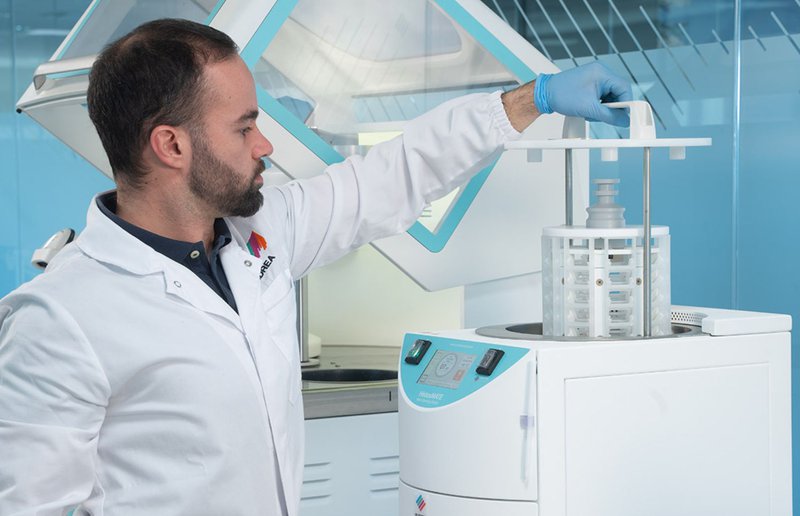
Aerosolized particles and contaminated surfaces pose serious exposure risks in pathology and surgical workflows. Consistent use of containment devices and proper ventilation significantly reduces these hazards. A systematic review of pathology specimen errors reported mislabeling in 61.3% of cases and missing specimens in 18.2%, highlighting the need for strict protocols.
Spills and improper specimen transport may increase infection and injury risks considerably. Following standard procedures ensures specimens remain secure while staff stay protected. Maintaining specimen management safety reduces contamination and improves diagnostic reliability simultaneously.
Implementing Staff Safety Protocols in Standard Operating Practices
Written protocols provide staff with clear guidance on specimen handling and safety. Accordingly, implementing staff safety protocols helps maintain consistent procedures and improve compliance. Moreover, training ensures all team members perform tasks safely and efficiently.
In addition, risk assessments identify task-specific hazards before specimen handling begins. Consequently, evaluating potential exposure helps teams select correct PPE and engineering controls. Furthermore, this proactive approach strengthens safety culture while reducing incident frequency.
Competency testing and hands-on training ensure adherence to protocols in real workflows. Therefore, staff practicing regularly demonstrate higher confidence and lower error rates. Documenting procedures also promotes specimen management safety across the laboratory consistently.
Integrating Staff Safety Protocols Across Surgical and Pathology Workflows
Coordination between surgical and pathology teams prevents specimen mismanagement during transfers. Consequently, standardized handoff points improve specimen management safety and reduce labeling errors. In addition, clear communication ensures samples arrive intact and ready for analysis promptly.
Meanwhile, integrated workflows allow teams to maintain both safety and efficiency simultaneously. Verification processes minimize the chance of contamination or specimen loss during transitions. A prospective analysis of 25,000 specimens revealed that two-thirds of errors occurred in the pre-analytical phase, emphasizing the need for workflow integration and robust safety protocols.
Furthermore, joint planning of specimen collection, transport, and analysis strengthens team reliability. Shared responsibility encourages adherence to safety measures at each workflow stage. Ultimately, teams with integrated protocols experience fewer accidents and enhanced specimen management safety.
Human & Environmental Staff Safety Protocols in Clinical Settings
Proper environmental design significantly reduces exposure to chemical and biological hazards in laboratories. Accordingly, well-ventilated spaces and safety cabinets protect staff while supporting accurate specimen handling. Immediate access to emergency wash stations and spill kits ensures prompt risk mitigation during incidents.
To maintain optimal protection, teams should adopt these essential practices:
- Use biological safety cabinets for all high-risk specimen preparation.
- Maintain adequate ventilation systems to reduce airborne chemical and pathogen exposure.
- Provide gloves, gowns, eye protection, and masks for every staff member.
- Install emergency wash stations and spill kits in easily accessible locations.
- Conduct regular environmental audits to verify compliance with safety protocols.
Consistently following these measures strengthens staff safety protocols while protecting team members. Integrating environmental and personal protections improves workflow reliability and minimizes potential hazards. Ultimately, proper implementation enhances specimen management safety and supports accurate diagnostic outcomes.
Technology Enhancements That Reinforce Safety Standards
Modern laboratory equipment reduces manual handling and strengthens procedural compliance effectively. Automated systems for specimen transfer and fixative dispensing limit chemical exposure. Ergonomically designed platforms reduce repetitive strain injuries among surgical and pathology personnel.
Tracking and digital labeling ensure specimen integrity while minimizing misidentification. Chain-of-custody software enables transparency and accountability throughout workflow stages. Therefore, these innovations improve both workflow safety and specimen management safety simultaneously.
Meanwhile, engineering controls such as safety cabinets, sealed transport devices, and containment units protect staff. Accordingly, they combine physical protection with operational efficiency during specimen preparation. Using these technologies reinforces standardized procedures and reduces overall risk exposure.

Best Practices to Sustain Safety and Workflow Quality
Ongoing adherence to standardized procedures ensures staff safety protocols remain effective throughout laboratory workflows. Training, monitoring, and documentation encourage consistent execution of safety practices among clinical teams. Clear responsibilities and accountability help minimize risk during specimen handling across departments.
To optimize efficiency and safety, implement the following key practices:
- Establish written standard operating procedures for specimen collection, handling, and transport.
- Conduct task-specific risk assessments before staff handle specimens or chemicals.
- Use engineered controls such as containment devices and automated systems where possible.
- Implement digital tracking and chain-of-custody systems for all specimens.
- Regularly review and update protocols to address emerging safety challenges.
Teams adhering to these best practices strengthen staff safety protocols consistently. Applying these measures ensures reliable and safe specimen management throughout workflows. Ultimately, proper attention to procedures protects staff while improving laboratory efficiency and specimen management safety.
Elevating Safety and Workflow Reliability
Strong staff safety protocols directly enhance specimen management safety and reduce workplace risks. Following these practices protects personnel while improving diagnostic quality across surgical and pathology environments. Moreover, consistent implementation builds confidence, efficiency, and resilience in clinical teams.
Early adoption of rigorous safety measures fosters a proactive culture that prioritizes prevention. Similarly, well-designed workflows, protective technologies, and ongoing training enhance safety and operational efficiency. Explore how Milestone Medical supports safer workflows and staff protection while ensuring reliable outcomes.
if(window.strchfSettings === undefined) window.strchfSettings = {};window.strchfSettings.stats = {url: “https://milestone-medical-technologies-inc.storychief.io/improving-safety-protocols-in-surgical-and-pathology-workflows?id=759091796&type=2”,title: “Improving Safety Protocols in Surgical and Pathology Workflows”,siteId: “23596”,id: “”};(function(d, s, id) {var js, sjs = d.getElementsByTagName(s)[0];if (d.getElementById(id)) {window.strchf.update(); return;}js = d.createElement(s); js.id = id;js.src = “https://d37oebn0w9ir6a.cloudfront.net/scripts/v0/strchf.js”;js.async = true;sjs.parentNode.insertBefore(js, sjs);}(document, ‘script’, ‘storychief-jssdk’))