Specimen transfer from the operating room to the pathology lab poses risks of formalin fume exposure when tissues are placed in preservative solutions. Teams may release formalin vapors while moving open containers or pouring fixatives if workflows lack controls. Addressing these risks begins with identifying where vapors occur during routine handoffs.
Caregivers and lab personnel are often unaware that brief fume encounters can irritate eyes, skin, and airways, contributing to long‑term health effects. Because formalin contains formaldehyde in aqueous solution, it readily enters the air if spilled, agitated, or left open. Protecting health requires recognizing these risks and preventing uncontrolled vapor release.
Health Risks and Regulatory Limits of Formalin
Formalin’s active chemical, formaldehyde, is a recognized irritant and potential carcinogen affecting the respiratory system when inhaled. Regulatory agencies limit formaldehyde airborne exposure to 0.75 parts per million (ppm) on an 8‑hour time‑weighted average to protect workers. Implementing safe formalin handling practices ensures these limits are maintained, reducing long-term occupational hazards.
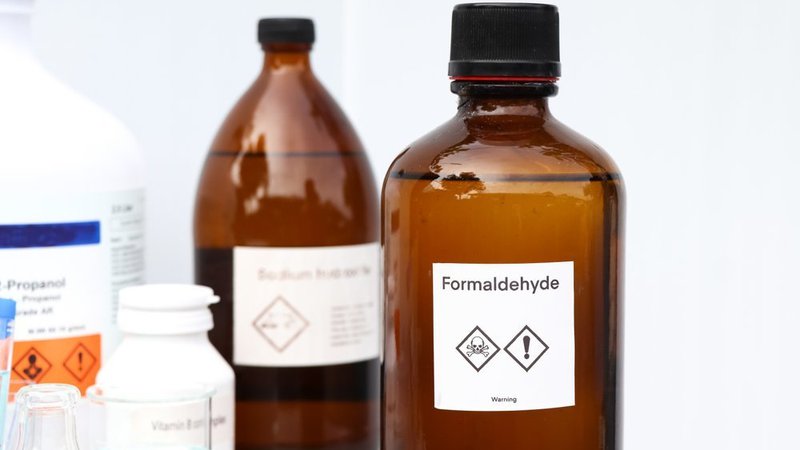
Repeated or high exposures can cause serious health issues over time, including nasal and respiratory irritation and potential reproductive effects. Workers may experience irritation even below detectable odor thresholds. Therefore, formaldehyde and formalin are carefully managed in occupational settings to maintain compliance and safety.
Implementing safe formalin handling in daily operations helps staff stay within exposure limits and reduces hazards. Understanding regulatory boundaries allows teams to design processes that consistently remain below safe thresholds. Clearly, maintaining formalin fume exposure controls is essential to comply with regulations and protect staff wellbeing.
Common Workflow Gaps That Increase Formalin Fume Exposure
Many formalin exposure risks occur during specimen handling between the operating room and pathology lab. For instance, staff may unknowingly release vapors when containers are open or pouring is done manually. Identifying these gaps is therefore essential to reducing formalin fume exposure in daily workflows.
Key areas where exposure commonly occurs include the following:
- Open specimen containers left on trays during labeling and transport.
- Manual pouring from large formalin bottles without controlled dispensing systems.
- Poorly ventilated transfer areas where vapors accumulate over time.
- Unsealed buckets or cups used during handoffs between staff members.
- Lack of designated workstations for efficient, enclosed specimen transfer.
Consequently, addressing these workflow gaps reduces unnecessary exposure and strengthens staff safety culture. Implementing proper containment at these points supports safer handling practices. Overall, these approaches help maintain minimal formalin fume exposure in lab environments.
Safer Specimen Transfer Practices to Reduce Formalin Fume Exposure
Adopting standardized procedures that emphasize enclosed transfer methods significantly reduces formalin fume exposure risks. Initially, position receiving containers already closed or semi‑sealed before arrival at transfer points. Reducing the time that personnel are exposed to formalin vapors minimizes evaporative release, supporting safe formalin handling.
Additionally, designate transfer stations near ventilation or local exhaust that capture fugitive vapors at the source. Local exhaust moves airborne formalin away from breathing zones and substantially cuts the concentration staff might inhale. Teams should also plan specimen handoffs to reduce time specimens remain open on work surfaces.
Finally, integrate clear roles and checklists that ensure formalin bottles remain capped until the last possible moment. Training staff to maintain closures and handle containers with intention strengthens overall safe formalin handling. Collectively, these practices give caregivers structure that avoids preventable exposure events.
Best Practices in Patient Care and Staff Safety
Protecting staff during specimen transfer begins with clear communication and consistent handling procedures. Meanwhile, training teams on proper protective equipment and transfer techniques reduces accidental vapor release. Focusing on these practices enhances both safety and specimen integrity across workflows, further promoting safe formalin handling.
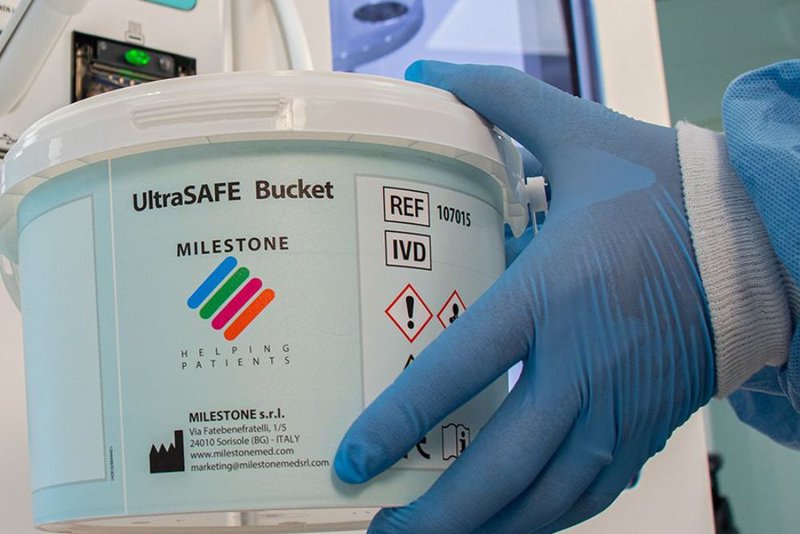
Recommended steps for safe formalin handling include:
- Conducting pre-procedure briefings to ensure smooth specimen handoffs.
- Using personal protective equipment appropriate for formalin exposure risks.
- Promptly closing containers immediately after tissue placement.
- Encouraging open communication to report near misses or unsafe practices.
- Providing continuous staff training on safe formalin handling protocols.
In addition, following these best practices promotes a safety-focused environment in the operating room and lab. Incorporating them consistently strengthens staff awareness and reduces formalin fume exposure incidents. Overall, these measures contribute to minimized formalin vapors while supporting quality patient care.
Formalin Fume Exposure Monitoring and Technology Solutions
Monitoring airborne formaldehyde can reveal trends that visual cues often fail to detect. Continuous or periodic air measurements near specimen transfer stations provide data teams use to validate control efforts. Elevated exposure patterns highlight workflow gaps or ventilation inefficiencies, reducing formalin fume exposure and supporting safe formalin handling.
Advanced containment that automatically seals or caps formalin bottles limits vapor release during filling or decanting. Automated dispensing ensures efficient transfer without prolonged open container time, minimizing exposure risks. These systems integrate with workstations to streamline specimen handling while controlling vapors and protecting staff.
Incorporating enclosed dispensing and sealed containers enhances safety without compromising throughput or care quality. Units that reduce spills and vapors create safer OR and pathology environments. Consequently, technology supporting formalin fume exposure controls promotes healthier workplaces and more reliable specimen management.
It’s Time to Reduce Exposure and Strengthen Safe Handling
Reducing formalin fume exposure during specimen transfer requires careful workflow design and consistent process controls. Enclosed dispensing, proper ventilation, and ongoing staff training significantly minimize vapor release during critical handling moments. Incorporating formalin safety into standard procedures ensures staff protection while supporting safe formalin handling practices daily.
Understanding risks and implementing safer handling builds accountability, competence, and reliable protection for all caregivers. Emphasizing formalin safety strengthens work environments while maintaining high-quality patient care without compromising specimen integrity. For resources on safe formalin handling workflows, explore Milestone Medical and its UltraSAFE Automatic Formalin Dispenser solutions today.
if(window.strchfSettings === undefined) window.strchfSettings = {};window.strchfSettings.stats = {url: “https://milestone-medical-technologies-inc.storychief.io/preventing-formalin-fume-exposure-during-specimen-transfer?id=1846322142&type=2”,title: “Preventing Formalin Fume Exposure During Specimen Transfer”,siteId: “23596”,id: “”};(function(d, s, id) {var js, sjs = d.getElementsByTagName(s)[0];if (d.getElementById(id)) {window.strchf.update(); return;}js = d.createElement(s); js.id = id;js.src = “https://d37oebn0w9ir6a.cloudfront.net/scripts/v0/strchf.js”;js.async = true;sjs.parentNode.insertBefore(js, sjs);}(document, ‘script’, ‘storychief-jssdk’))