Traditional histology laboratories have relied on organic solvents for decades during routine specimen preparation. However, many tissue processing workflows still depend on xylene despite increasing concerns about histology laboratory safety. Growing awareness of occupational exposure risks is prompting laboratories to reconsider longstanding processing practices.
Laboratory professionals increasingly evaluate chemical exposure risks affecting technicians, pathologists, and supporting clinical teams. Meanwhile, regulatory guidance continues emphasizing stronger protections related to chemical safety in labs. Therefore, laboratories are exploring safer methods that reduce solvent dependence while maintaining diagnostic reliability.
Health Risks and Regulatory Concerns Surrounding Xylene
Xylene has long served as a clearing agent in histology laboratories around the world. Nevertheless, chemical exposure raises significant concerns regarding histology laboratory safety and chemical safety in labs. Prolonged or repeated contact can irritate the eyes, skin, respiratory tract, and nervous system, which can be mitigated through proper laboratory practices.
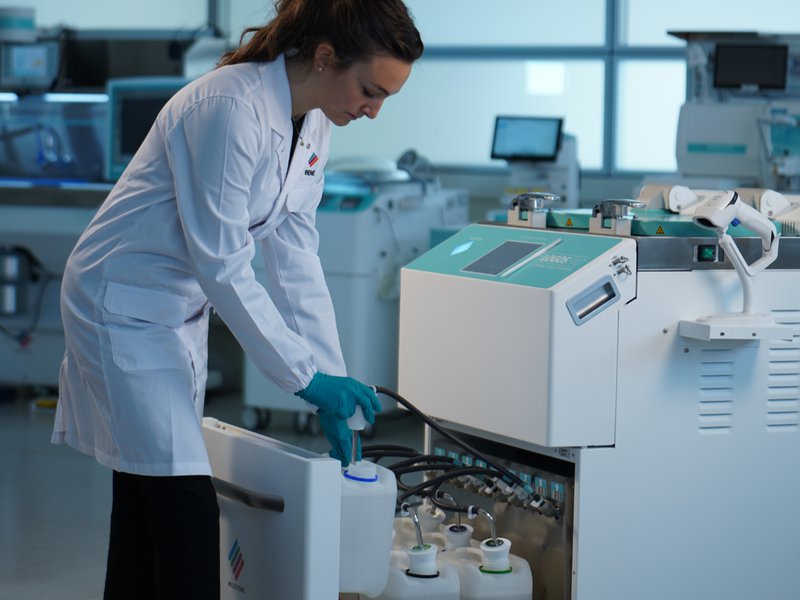
Xylene exposure can also occur through accidental ingestion or direct skin contact. Laboratory personnel often require enhanced ventilation systems to minimize chemical safety in labs risks efficiently. Awareness of these hazards motivates laboratories to evaluate safer and more effective approaches to tissue processing that maintain specimen quality.
A comparative study showed tissue sections processed with safer clearing agents maintained full immunohistochemistry reliability. These results confirm laboratories can achieve high diagnostic quality while significantly reducing chemical exposure. The findings further support prioritizing histology laboratory safety by minimizing xylene use in routine specimen preparation.
Why Modern Tissue Processing Workflows Are Moving Away From Xylene
Rising concerns about occupational safety have prompted laboratories to reevaluate traditional xylene use. Many laboratories now explore safer tissue processing workflows that minimize chemical exposure while preserving diagnostic quality. Consequently, these safer workflows support both laboratory staff protection and histology laboratory safety.
Regulatory authorities encourage laboratories to implement strategies reducing hazardous chemical use wherever possible. In addition, alternative approaches allow improved chemical safety in labs without compromising tissue integrity or staining reliability. Furthermore, reducing xylene aligns with laboratory sustainability initiatives and environmental responsibility goals.
Laboratory accreditation organizations increasingly emphasize chemical risk management and worker safety programs. As a result, updated tissue processing workflows meet higher standards while supporting histology laboratory safety. Ultimately, long-term planning ensures laboratories maintain both compliance and high‑quality diagnostic output.
Alternative Reagents Supporting Safer Histology Processing
Several xylene substitutes allow laboratories to maintain specimen clarity while reducing hazardous solvent exposure. For instance, selected reagents can achieve comparable diagnostic quality, supporting histology laboratory safety. Moreover, using alternative reagents aligns with sustainability goals and minimizes chemical risks for technical staff.
Key considerations when implementing alternative reagents include the following:
- Select validated clearing agents. Ensure substitutes maintain morphology and staining quality comparable to xylene without jeopardizing reliability.
- Evaluate vapor production and odor. Choose reagents that improve chemical safety in labs and reduce discomfort during daily tasks.
- Standardize protocols consistently. Accurate adherence ensures reliable results across different specimens and technicians.
- Train laboratory personnel thoroughly. Staff familiarity with alternative reagents supports successful integration and histology laboratory safety.
- Monitor performance continuously. Regular assessment confirms diagnostic quality and effectiveness of new tissue processing workflows.
Implementing alternative reagents helps laboratories reduce xylene use while maintaining safe and efficient operations. In addition, careful planning ensures both staff protection and chemical safety in labs. These strategies support laboratories seeking improved chemical safety in tissue processing workflows.
Best Practices for Transitioning Away From Xylene
Laboratories planning to reduce solvent use must adopt structured approaches carefully and deliberately. Safe transitions require proper evaluation of current processes, validation studies, and staff training. Effective planning ensures tissue integrity and maintains consistent workflow efficiency throughout laboratory operations.
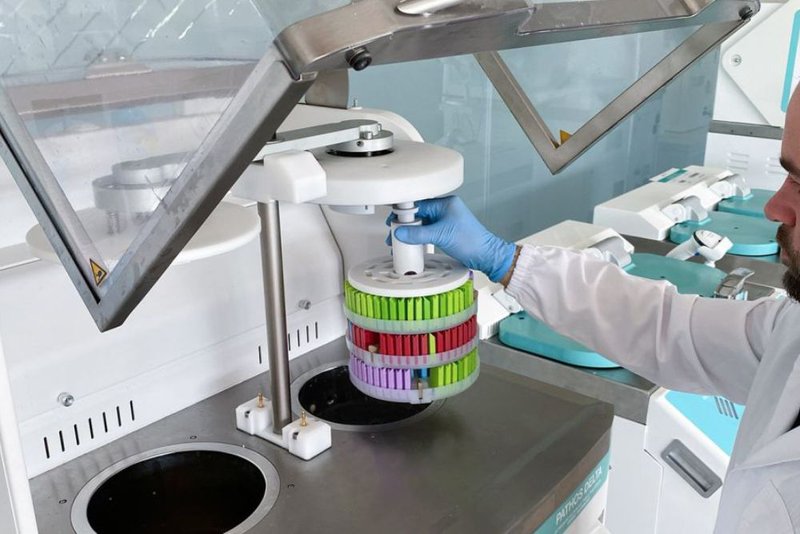
The following key practices help laboratories implement safer tissue processing workflows effectively:
- Evaluate current workflows carefully. Understanding existing steps identifies where xylene can be safely reduced.
- Conduct controlled validation studies. Comparing traditional and alternative methods ensures diagnostic quality remains consistent.
- Engage laboratory staff early. Training encourages adoption of safer workflows and reinforces chemical safety in labs practices.
- Assess ventilation and safety infrastructure. Improved controls reduce exposure risks and strengthen histology laboratory safety.
- Monitor specimen quality closely. Ongoing evaluation ensures staining, morphology, and turnaround times remain reliable.
Careful adoption of these strategies allows laboratories to improve chemical safety in labs without compromising diagnostic accuracy. Structured planning supports staff confidence and enhances overall histology laboratory safety. Implementing these practices strengthens long‑term success in safer tissue processing workflows.
Technology Advancing Safer Tissue Processing Workflows
Modern instrumentation plays a pivotal role in reducing solvent exposure and improving efficiency. For example, automated systems support safer tissue processing workflows through controlled reagent management and precise processing conditions. In addition, reduced manual handling minimizes chemical exposure risks for laboratory personnel and improves histology laboratory safety.
Advanced tissue processors incorporate integrated monitoring and automation to maintain consistent specimen preparation. Moreover, improved reagent tracking supports responsible chemical management while enhancing chemical safety in labs. Therefore, adoption of modern technologies ensures laboratories can safely reduce reliance on hazardous solvents.
Innovative designs optimize solvent use, reduce waste, and maintain diagnostic quality effectively. Similarly, laboratory efficiency improves while chemical safety in labs strengthens measurably. Ultimately, these technologies enable laboratories to implement safer tissue processing workflows without compromising diagnostic outcomes.
Safer Tissue Processing Workflows for the Future of Histology
Laboratory leaders increasingly recognize the importance of protecting technical staff from hazardous chemicals. Consequently, implementing safer tissue processing workflows addresses occupational safety concerns while supporting reliable specimen preparation. In addition, reduced solvent exposure improves histology laboratory safety and reinforces staff confidence in routine processes.
Transitioning to safer methods requires proven technology and carefully engineered laboratory systems. Similarly, safer tissue processing workflows help laboratories maintain diagnostic quality while improving chemical safety in labs. Laboratories exploring these solutions can learn more about advanced workflow technologies at Milestone Medical.
if(window.strchfSettings === undefined) window.strchfSettings = {};window.strchfSettings.stats = {url: “https://milestone-medical-technologies-inc.storychief.io/eliminating-xylene-from-tissue-processing-workflows?id=793981768&type=2”,title: “Eliminating Xylene From Tissue Processing Workflows”,siteId: “23596”,id: “”};(function(d, s, id) {var js, sjs = d.getElementsByTagName(s)[0];if (d.getElementById(id)) {window.strchf.update(); return;}js = d.createElement(s); js.id = id;js.src = “https://d37oebn0w9ir6a.cloudfront.net/scripts/v0/strchf.js”;js.async = true;sjs.parentNode.insertBefore(js, sjs);}(document, ‘script’, ‘storychief-jssdk’))