Ensuring formalin safety compliance is critical in operating rooms where specimen fixation begins after extraction. Staff exposure can result in eye, skin, and respiratory irritation if procedures remain unregulated. Therefore, operating rooms must enforce OSHA compliance standards to ensure safe handling practices throughout all workflows.
Formaldehyde is a volatile chemical classified as a potential occupational carcinogen by regulatory agencies. Continuous exposure without proper controls increases health risks for nurses and surgical technicians. Ultimately, understanding exposure limits and procedural requirements supports safer OR environments while reducing hazardous incidents.
Formalin Safety Compliance and OSHA Standards for Exposure Limits
OSHA compliance standards provide clear guidance for permissible formaldehyde exposure levels and monitoring. The permissible exposure limit (PEL) is 0.75 parts per million over an eight-hour workday. Short-term exposure limits allow up to 2 ppm for fifteen minutes to reduce acute effects.
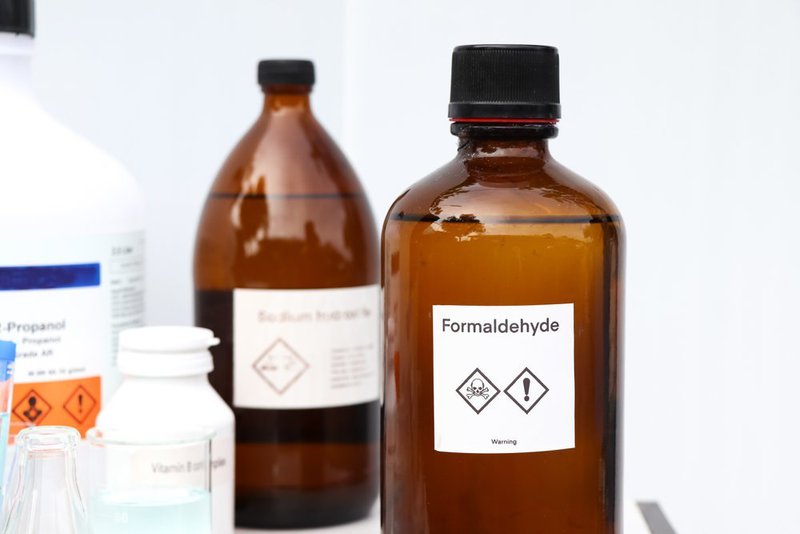
Moreover, monitoring airborne formaldehyde concentrations ensures exposure remains below OSHA thresholds while protecting staff health. If concentrations exceed limits, regulated areas and additional ventilation must control chemical hazards. Effective compliance programs document exposure levels, train personnel, and maintain required signage for regulated zones.
Facilities must implement hazard communication and employee training under OSHA compliance standards. Similarly, posting clear warnings and restricting access reduces accidental exposures. Therefore, compliance supports not only worker safety but also organizational accountability during audits and inspections.
Best Practices for Formalin Safety Compliance in Specimen Handling
Careful handling protocols help maintain formalin safety compliance during specimen handling. Specifically, sealed containers should be used for transport to prevent vapor escape into the operating room. Furthermore, staff should minimize handling time while transferring tissues to formalin storage devices.
In addition, ventilation strategies effectively reduce chemical exposure by removing airborne formaldehyde near source areas. Studies show that increasing ventilation consistently lowers indoor formaldehyde concentrations, making it a key method to improve air quality and staff safety.
Personal protective equipment complements engineering controls to ensure staff safety. Chemical-resistant gloves, eye protection, and respirators reduce direct exposure risks. Regular inspections of PPE and adherence to protocols maintain reliable formalin safety compliance consistently.
Practical Equipment Solutions to Reduce Exposure
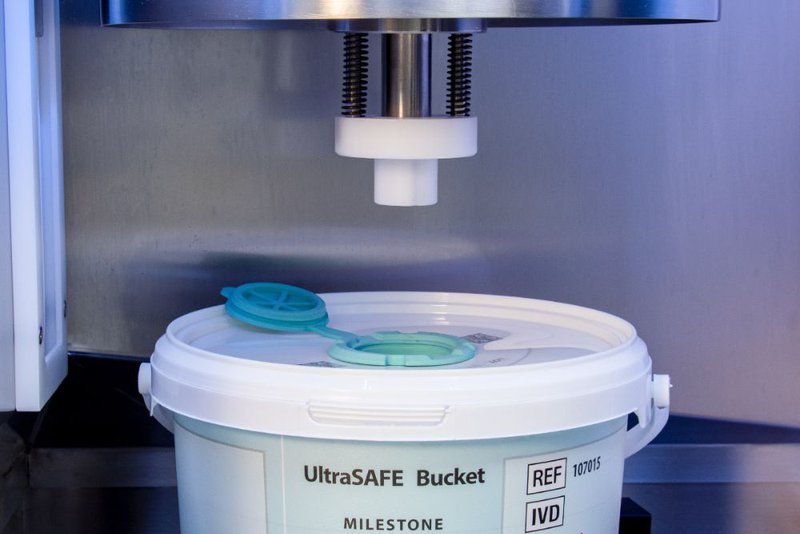
Automation in formalin handling significantly reduces spill-related exposure and enhances safety compliance. Devices that dispense formalin precisely limit unnecessary chemical contact for operating room personnel. Similarly, containment systems with integrated ventilation keep vapors localized while maintaining OSHA compliance standards.
Equipment solutions improve procedural consistency and minimize repeated handling errors that can compromise tissue quality. Automated dispensers reduce manual pouring, preventing accidental exposure and contamination. Investing in reliable tools demonstrates organizational commitment to staff safety and workflow efficiency.
Standardized dispensing systems help maintain proper formalin volume for each specimen. In addition, this improves specimen integrity while supporting consistent laboratory procedures. Staff experience increased confidence when workflows incorporate controlled dispensing equipment for hazardous chemicals.
Checklists for Daily Formalin Safety Compliance
Structured checklists effectively support formalin safety compliance for every operating room team member. Daily verification and preparation consistently reduce potential exposure to airborne formaldehyde vapors. Applying checklists reliably ensures that all safety procedures remain consistent and effective.
To ensure every step is covered, teams should follow these essential daily tasks:
Daily Formalin Safety Checklist Includes:
- Ventilation systems fully operational before specimen handling begins
- All specimen containers properly sealed and clearly labeled
- Personal protective equipment correctly worn, including gloves and eye protection
- Hazard communication signage visible in all regulated areas
- Air sampling logs reviewed and recorded consistently
Following these checklist steps promotes safer workflows while reducing exposure risk. Teams gain confidence knowing all tasks align with formalin safety compliance standards. Additionally, regular review allows updates based on workflow improvements and staff feedback.
Addressing Common Pain Points in OR Formalin Workflows
High-volume operating rooms often face challenges in consistently maintaining formalin safety compliance. Rushed specimen transfers and frequent handling substantially increase exposure risks for all staff. Consequently, deliberate workflows and clear protocols help minimize hazards while improving overall safety.
The following practices help teams address common safety pain points in the OR:
Common OR Formalin Safety Practices:
- Implement clear spill response procedures and emergency protocols
- Provide ready access to neutralizing agents and spill kits
- Train staff to recognize early exposure symptoms
- Ensure open communication and reporting of near misses
- Conduct regular debriefs after unusual incidents or workflow changes
Applying these practices reduces hazards while reinforcing a culture of formalin safety compliance. Teams experience fewer exposures while maintaining operational efficiency. Similarly, consistent communication and adherence to protocols ensure safer, regulated specimen handling.
Staff Training and Ongoing Monitoring for Compliance
Regular staff training strengthens formalin safety compliance across all operating room teams. Employees should receive instruction on OSHA compliance standards and exposure hazards. Furthermore, training reinforces proper handling, spill response, and emergency procedures for formalin use.
Continuous monitoring of formaldehyde levels ensures exposure stays below OSHA permissible limits. Air sampling and accurate documentation support regulatory compliance while identifying improvement opportunities. Routine competency checks reinforce proper procedures and maintain formalin safety compliance consistently across staff.
Periodic refresher sessions and updates ensure all protocols remain current and thoroughly understood. Clear communication of monitoring results improves workflow adjustments and mitigates potential exposure risks. Leadership involvement combined with ongoing evaluation promotes a strong safety culture in the OR.
Maintaining a Safe, Compliant OR Environment
Formalin safety compliance safeguards staff and patients while ensuring regulatory adherence and workflow efficiency. Implementing proper training, equipment, ventilation, and checklists reinforces OSHA compliance standards daily. Consistent monitoring and procedural diligence support safer, more predictable operating room environments.
At Milestone Medical, automated tools help maintain formalin safety compliance while minimizing exposure risks. The UltraSAFE Automatic Formalin Dispenser improves workflows by automating formalin dispensing, reducing spills, and protecting staff. Schedule a call with us to discover safer specimen handling and reliable compliance with advanced tools.
if(window.strchfSettings === undefined) window.strchfSettings = {};window.strchfSettings.stats = {url: “https://milestone-medical-technologies-inc.storychief.io/regulatory-considerations-for-formalin-use-in-operating-rooms?id=88392489&type=2”,title: “Regulatory Considerations for Formalin Use in Operating Rooms”,siteId: “23596”,id: “”};(function(d, s, id) {var js, sjs = d.getElementsByTagName(s)[0];if (d.getElementById(id)) {window.strchf.update(); return;}js = d.createElement(s); js.id = id;js.src = “https://d37oebn0w9ir6a.cloudfront.net/scripts/v0/strchf.js”;js.async = true;sjs.parentNode.insertBefore(js, sjs);}(document, ‘script’, ‘storychief-jssdk’))